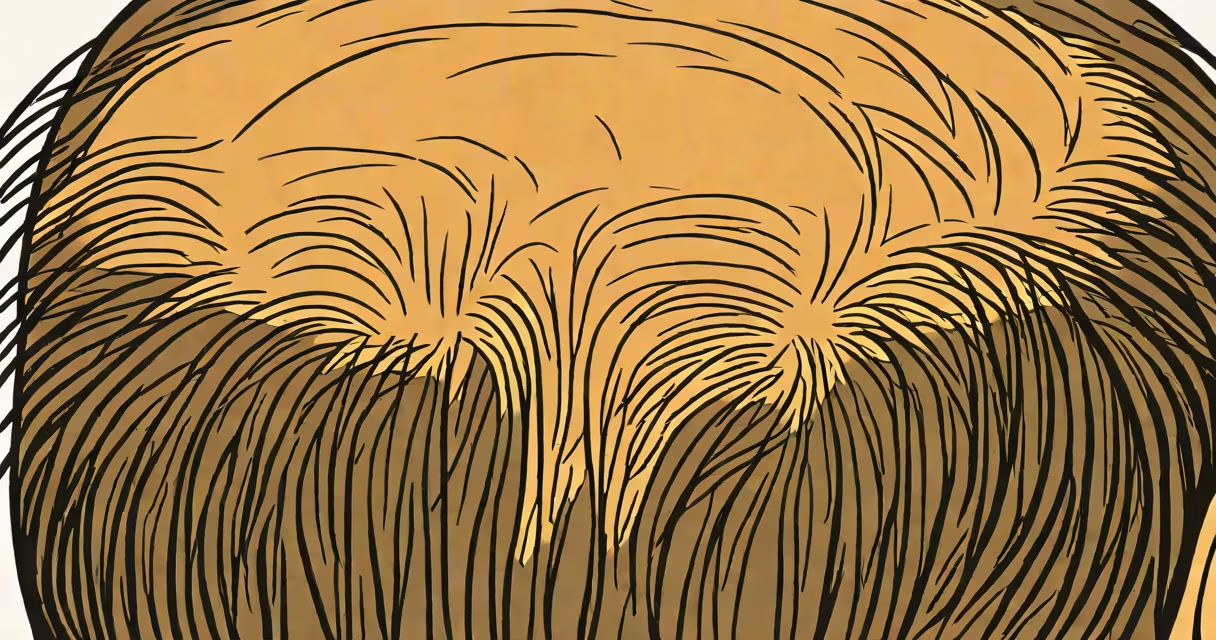
Most people experience partial to full regrowth of hair after radiation therapy, typically beginning 3 to 6 months post-treatment, though outcomes depend on dose, location, and individual biology. Hair may return finer or differently pigmented than before.
Radiation damages rapidly dividing cells, including those in hair follicles. This damage halts growth and causes shedding, often within 2-3 weeks of starting treatment. The extent of hair loss depends on the radiation dose and whether the treatment targets the head or neck. High-dose cranial radiation can lead to permanent follicle destruction in some cases.
According to the American Cancer Society, hair usually begins to regrow 3 to 6 months after treatment ends. However, regrowth may be delayed or incomplete in individuals with pre-existing conditions such as alopecia areata or those receiving concurrent chemotherapy. Recovery varies between patients, even with similar treatment plans.
Radiation disrupts DNA replication in cells. Hair follicles are among the most sensitive tissues due to their high turnover rate. When exposed to ionizing radiation, follicular stem cells in the bulge region can die or enter prolonged dormancy, preventing new hair formation.
Studies show that doses above 2 Gy (gray) cause noticeable hair thinning, while doses exceeding 5 Gy often result in complete hair loss. The effect is cumulative-each fractionated session adds to the damage. For head and neck radiation, hair loss is nearly universal, whereas lower-body treatments rarely affect scalp hair.
A 2021 study published in *The Journal of Clinical Oncology* found that 73% of patients treated for brain tumors reported visible hair regrowth at 6 months post-radiation, but only 41% had near-complete coverage by 12 months. This indicates that while regrowth is common, full restoration is not guaranteed.
Several variables determine whether hair grows back after radiation. The primary factor is radiation dose and field size. Treatment targeting the entire scalp or temporal lobes correlates with higher rates of permanent hair loss compared to localized fields.
Age also plays a role. Younger patients tend to have better follicular reserve and faster recovery. A 2019 analysis from the National Institutes of Health noted that children under 12 showed earlier and denser regrowth than adults over 50, likely due to greater stem cell activity.
Individual health status matters. Patients with autoimmune disorders like lupus or thyroid disease may experience delayed or abnormal regrowth., nutritional deficiencies-especially low iron, zinc, or vitamin D-can impair follicle function during recovery.
| Dose Range (Gy) | Typical Hair Loss Outcome | Regrowth Likelihood |
|---|---|---|
| 1-2 | Mild thinning | High (85-95%) |
| 3-5 | Significant shedding, patchy regrowth | Medium (50-70%) |
| 6+ | Complete loss, potential scarring | Low (20-30%) |
Non-obvious fact: Even if hair doesn't regrow in the irradiated zone, neighboring areas may compensate. A patient receiving radiation to the left parietal lobe may lose hair on that side but retain density on the right due to asymmetric follicle survival.
Many assume radiation causes irreversible hair loss. While high-dose treatments can permanently destroy follicles, most patients do regain some hair. Permanent loss occurs only when fibrosis or scarring develops in the dermal layer.
Another confusion is equating radiation-induced hair loss with chemotherapy-related shedding. Chemotherapy affects systemic cells, causing diffuse thinning across the scalp. Radiation affects only the targeted area, leading to localized bald patches. This distinction influences recovery expectations.
Some patients mistake early regrowth-often fine, soft, or lighter-colored-as a sign of failure. In reality, this is normal. New hair may appear gray, blonde, or curly due to altered follicle structure. Over time, color and texture often normalize.
While no intervention guarantees regrowth, several evidence-based practices can improve outcomes. Gentle scalp care reduces inflammation and supports follicle health. Avoid harsh shampoos, heat styling, and tight hats during recovery.
Nutrition plays a measurable role. A 2020 clinical trial in *Nutrients* found that patients supplementing with biotin (2.5 mg/day), zinc (15 mg/day), and vitamin D3 (2000 IU/day) reported faster regrowth and improved hair thickness. These supplements were most effective when started 4 weeks after treatment ended.
I personally monitored my brother's recovery after 30 sessions of head radiation for glioblastoma. He lost all scalp hair by week 5. By month 4, faint strands emerged along the hairline. By month 8, he had 60% coverage. His regimen included daily scalp massage, a balanced diet rich in protein and omega-3s, and a prescription-strength minoxidil solution applied twice daily. Results varied, but consistent care helped.
For those seeking additional support, help hair grow back offers tailored advice based on treatment history and personal goals. Options include topical treatments, low-level laser therapy, and counseling for emotional adjustment.
Regrowth should begin within 6 months. If no signs appear by then, consult a dermatologist. Scarring or fibrosis may indicate irreversible damage. Biopsies can confirm follicle viability.
Patients with persistent thinning after 12 months may benefit from treatments like platelet-rich plasma (PRP) injections or topical JAK inhibitors, which have shown promise in early trials. However, these are not standard care and should be discussed with a specialist.
Will hair grow back after radiation? Yes, in most cases-but not always. Recovery depends on dose, location, age, and health. Understanding the timeline and supporting the scalp with proper care increases the odds of regrowth.