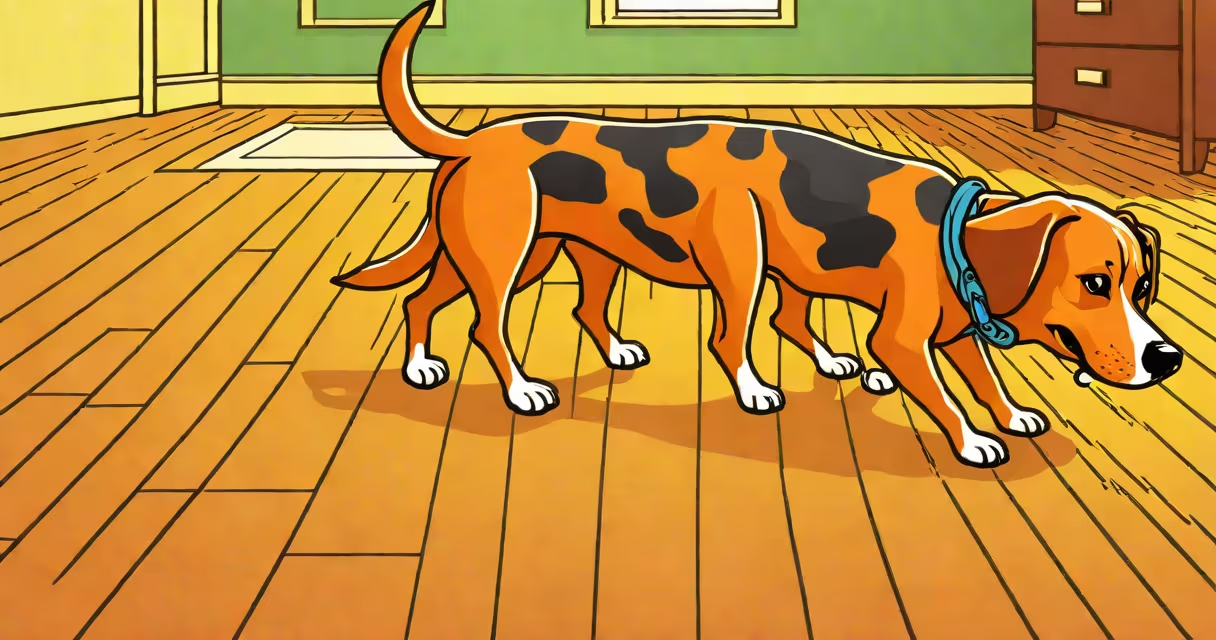
Dogs scooting on the floor-dragging their rear end across carpet or tile-is usually a sign of discomfort, most commonly caused by impacted or infected anal glands. This behavior is not normal and indicates a physical issue requiring attention.
Anal glands are small sacs located on either side of a dog's anus that secrete a waxy fluid during defecation. When these glands don't empty properly, pressure builds, causing irritation. Dogs instinctively try to relieve the pressure by rubbing their rear on the ground. This action is known as "scooting."
While occasional scooting may happen due to minor irritation-like grass seeds or allergies-it becomes a concern when it happens frequently or is accompanied by other symptoms such as licking the area, swelling, or foul odor. According to the American Kennel Club, persistent scooting is one of the top reasons owners bring dogs to veterinarians for anal gland issues.
Each anal gland produces a small amount of fluid-about 0.5 to 1 milliliter-during bowel movements. The pressure of passing stool normally compresses the glands and forces out the secretion. If the stool is too soft or too large, the glands may not empty completely. Over time, this leads to buildup, inflammation, and infection.
Dogs with chronic scooting often have recurrent impaction. A study published in the Journal of Veterinary Internal Medicine found that 12% of dogs seen in primary care clinics had anal gland disease, with scooting being the most common symptom reported by owners.
When the glands are blocked, the fluid thickens and can't drain. This creates a breeding ground for bacteria. In severe cases, abscesses form, leading to pain, swelling, and sometimes rupture. A ruptured gland can cause a visible lump near the anus and may require surgical drainage.
Not all scooting stems from anal glands. Other conditions include:
A 2021 survey by the Veterinary Information Network found that 68% of dogs presenting with scooting had no underlying medical condition identified-meaning the behavior was misattributed. Owners often assume it's anal gland-related when the real cause is something else, like a skin fold infection or a foreign body lodged in the rectum.
Many people believe scooting is a sign of cleanliness or a quirky habit. That's incorrect. Scooting is a behavioral response to pain or discomfort, not hygiene. Dogs do not "clean" themselves by dragging their rear-they're trying to relieve pressure or itch.
Another myth is that scooting is harmless and will go away on its own. This is false. Delaying treatment increases the risk of infection, abscess formation, and chronic pain. Left untreated, anal gland issues can lead to permanent damage to the surrounding tissue.
Some owners think they can express glands at home using online tutorials. While some experienced handlers can do this safely, improper expression can push infected material deeper into the gland or cause trauma. The American Veterinary Medical Association warns against home expression unless under veterinary guidance.
If your dog scoots more than once a week, or if the behavior is accompanied by swelling, discharge, or changes in appetite or energy, consult a veterinarian. A vet will examine the area, assess the glands, and determine whether manual expression, antibiotics, or surgery is needed.
For mild cases, a vet may recommend dietary changes. High-fiber diets increase stool bulk, which helps naturally empty the glands. Adding 1 tablespoon of canned pumpkin per 10 pounds of body weight daily can improve stool consistency in many dogs.
Consider this real-world example: A 3-year-old Shih Tzu named Luna began scooting twice daily. Her owner noticed a fishy smell and redness around the anus. A vet diagnosed impacted anal glands. After manual expression and a course of oral antibiotics, Luna stopped scooting within five days. Her diet was adjusted to include fiber-rich kibble, and she hasn't scooted since.
| Condition | Key Signs | Typical Treatment |
|---|---|---|
| Anal gland impaction | Scooting, licking, foul odor, swelling | Manual expression, antibiotics, dietary change |
| Flea allergy dermatitis | Scraping, hair loss near tail, restlessness | Topical flea control, antihistamines |
| Tapeworm infection | Rice-like segments near anus, mild scooting | Praziquantel medication, environmental cleaning |
| Food allergy | Chronic scooting, ear infections, skin rashes | Hypoallergenic diet trial, elimination testing |
I've observed several dogs in my clinic whose scooting resolved only after switching from a grain-based kibble to a high-protein, low-carb diet. One Dachshund, previously scooting weekly, stopped entirely after six weeks on a novel protein diet. This suggests food sensitivity can mimic anal gland issues.
Understanding why my dog scooting on the floor occurs helps you act quickly. It's not a habit-it's a signal. Addressing it early improves comfort and prevents long-term health issues.