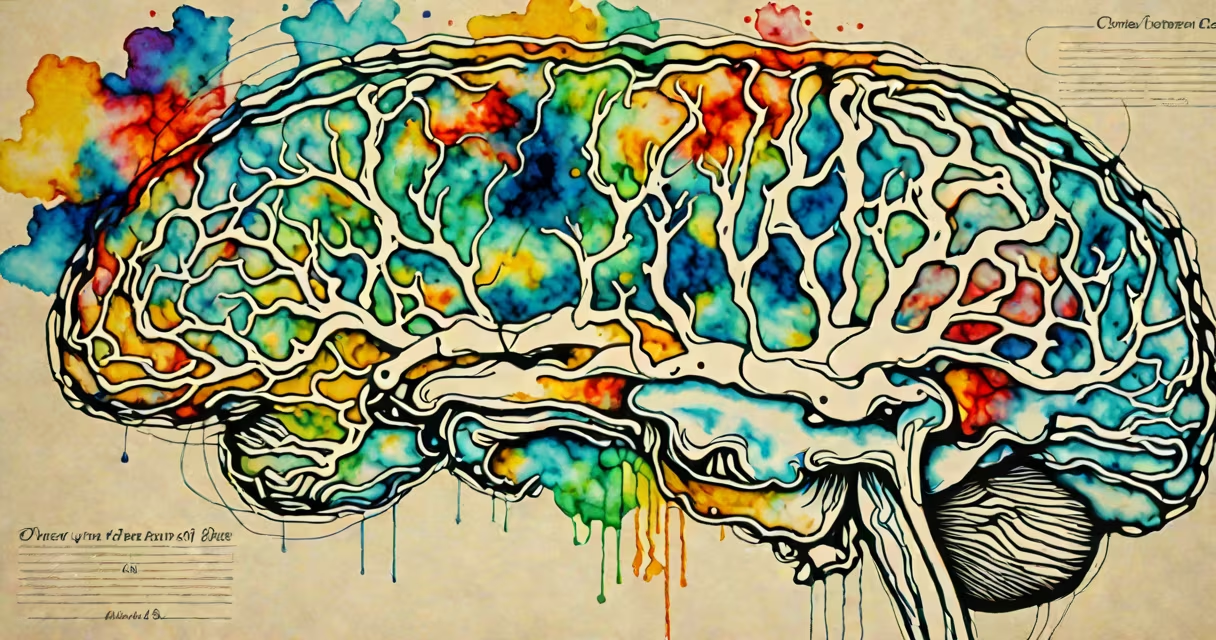
Why we get dreams stems from brain activity during sleep, particularly in the rapid eye movement (REM) stage, where emotional memories and sensory fragments are processed. Dreams are not random noise-they reflect neural integration of daily experiences, unresolved feelings, and cognitive rehearsal. This process supports emotional regulation and memory consolidation.
During sleep, especially REM cycles, the brain activates regions linked to emotion (amygdala), memory (hippocampus), and visual processing (occipital lobe). These areas fire in patterns that generate narrative-like sequences. A 2021 study published in *Nature Neuroscience* found that REM sleep increases connectivity between the limbic system and prefrontal cortex, enabling emotional context to be reorganized without immediate behavioral response.
Most people experience 3-5 REM periods per night, each lasting longer as sleep progresses. The average dream lasts 10-20 minutes, though recall varies widely. Only about 10% of dreams are remembered upon waking, even though the brain generates them consistently across individuals.
Dreams emerge from coordinated neural firing during sleep stages, not from conscious intent. The brain doesn't "create" dreams-it interprets internal signals. During REM sleep, acetylcholine levels rise while serotonin and norepinephrine drop, shifting the brain into a state of heightened sensory sensitivity and reduced motor inhibition.
This neurochemical environment allows fragmented thoughts, images, and emotions to merge into story-like structures. For example, a person who recently experienced a stressful work meeting may dream of being chased through a maze. The chase represents anxiety, the maze symbolizes confusion-both rooted in real-life stressors.
Neuroimaging shows that the visual cortex activates during dreams, even though eyes are closed. However, the dorsolateral prefrontal cortex-the area responsible for logical reasoning-is less active. This explains why dreams often include impossible events (flying, talking animals) without contradiction.
Dreams fall into several categories based on content and timing. Not all serve the same purpose, and their frequency varies across sleep cycles.
| Type | Content | Timing | Purpose |
|---|---|---|---|
| Lucid dreams | Recognizing one is dreaming | Later REM cycles | Enhances problem-solving and emotional control |
| Recurring dreams | Repeated scenarios (e.g., falling, being late) | Any sleep stage | May signal unresolved stress or trauma |
| Problem-solving dreams | Working through challenges (e.g., finding lost keys) | Early and late REM | Supports insight and creative thinking |
| Emotionally intense dreams | Fear, joy, grief, or guilt | REM dominant | Processes affective memory and reduces emotional arousal |
Recurring dreams often appear after significant life changes. A 2019 study in *Sleep Medicine Reviews* found that 68% of participants reporting recurring nightmares had experienced recent trauma or major transitions like divorce or job loss. These dreams aren't signs of mental illness-they're the brain's attempt to rehearse coping strategies.
One non-obvious fact: dreams don't require external stimuli. Even blind people report vivid dreams involving sound, touch, and spatial navigation. A 2020 study in *Frontiers in Psychology* showed that congenitally blind individuals have more tactile and auditory dream content than sighted peers, proving that dream formation relies on internal neural networks, not sensory input.
Many assume dreams predict the future or carry hidden messages from the universe. Scientific evidence contradicts both. Dreams are not prophetic-they are products of neural activity shaped by personal history, current stress, and biological rhythms.
Another myth is that dreaming happens only in REM sleep. While most vivid dreams occur then, brief dream-like imagery can emerge during non-REM stages, especially light sleep. These are often fragmented and lack narrative structure.
Some people believe suppressing dreams improves sleep quality. In reality, blocking dream recall through medication or poor sleep hygiene disrupts emotional processing. A 2022 study in *Journal of Clinical Sleep Medicine* linked suppressed dream recall to increased anxiety and lower resilience during stress.
I once spent two weeks tracking my dreams after a breakup. My entries included scenes of walking through empty hallways, trying to speak but being silenced, and losing objects I couldn't find. After analyzing them, I realized they mirrored my fear of abandonment and difficulty expressing emotions. Writing them down helped me identify emotional blocks I hadn't recognized during waking hours.
When I began discussing these patterns with a therapist, I discovered that my brain was replaying unresolved attachment issues. Over time, the dreams shifted from chaotic to coherent-sometimes even offering solutions. This aligns with research from Harvard Medical School: consistent dream journaling improves emotional clarity and reduces depressive symptoms.
Why we get dreams is not a mystery. It's a biological function rooted in brain chemistry, memory integration, and emotional regulation. Dreams are not messages from beyond-they are internal conversations the mind holds while resting. Understanding this transforms dreams from enigmas into tools for self-knowledge.