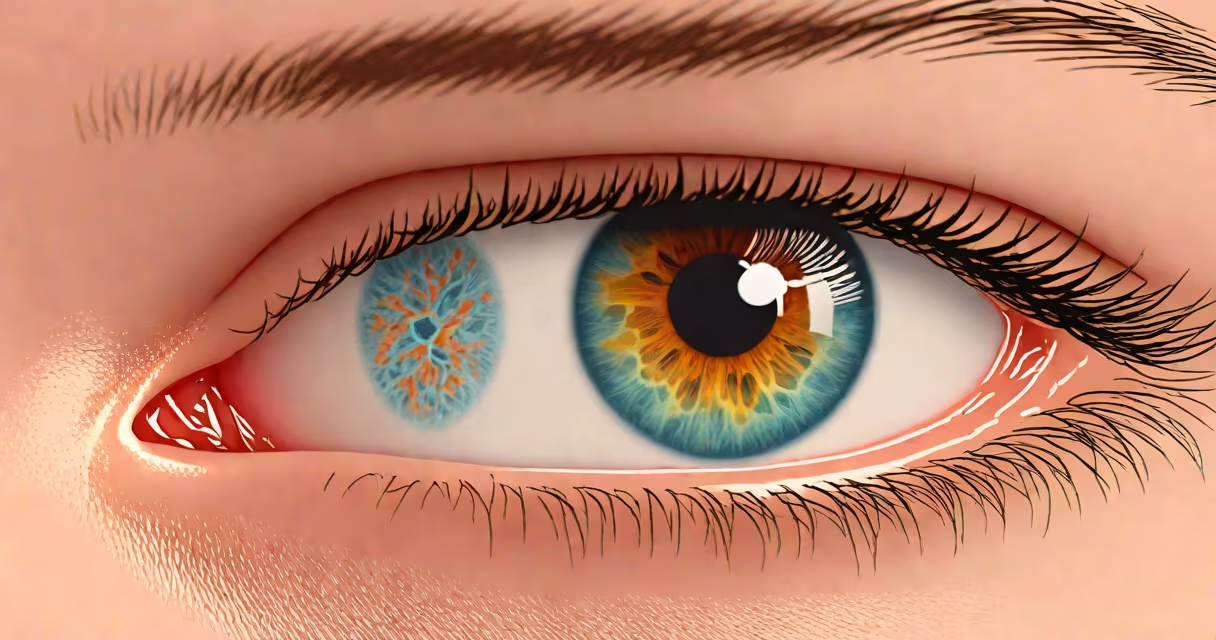
An itchy tear duct typically results from inflammation, dryness, or minor infection affecting the lacrimal system-the network responsible for producing and draining tears. This sensation arises when nerve endings in the tear duct area become irritated due to environmental exposure, allergies, or underlying eye conditions.
The tear duct, technically known as the nasolacrimal duct, runs from the inner corner of the eye to the nasal cavity. When this passage becomes inflamed or obstructed, it can trigger itching, burning, or a gritty feeling. Common triggers include allergens, irritants like smoke or perfume, and viral or bacterial infections. Persistent itching may indicate a condition requiring medical evaluation.
According to the American Academy of Ophthalmology, approximately 15% of adults report chronic eye irritation, with dry eye syndrome being the most frequent cause. The condition affects tear production and quality, leading to discomfort including itchiness around the tear ducts. If left unaddressed, it can progress to corneal damage.
Itching occurs when sensory nerves in the lacrimal drainage system detect irritation. These nerves respond to changes in moisture, temperature, or chemical exposure. For example, exposure to pollen during allergy season can trigger histamine release, which inflames the mucous membranes lining the tear duct and causes itchiness.
Dry eye syndrome contributes. When the tear film lacks sufficient oil or mucus layers, evaporation increases, leading to surface dryness. The eye compensates by producing reflex tears, but these are often watery and ineffective. This imbalance leads to both dryness and irritation, including in the duct region.
A 2021 study published in *Ophthalmology* found that 68% of patients with persistent ocular itch reported symptom onset within 24 hours of using new skincare products or makeup. Many of these individuals had undiagnosed contact dermatitis affecting the eyelid margin and adjacent duct tissue.
Several conditions can mimic or cause tear duct itchiness. The most frequent are:
It's important to distinguish between itchiness originating in the tear duct versus the surrounding skin. True tear duct itchiness is felt deeper, near the inner corner of the eye, and may worsen when blinking or touching the area. Skin-based itchiness usually presents as flaking or redness along the lash line.
One non-obvious distinction: tear duct itching rarely causes visible swelling unless there's an obstruction. If swelling accompanies the itch, especially with pain or pus, it may signal dacryocystitis-a serious infection requiring antibiotics. The National Institutes of Health notes that untreated dacryocystitis can lead to orbital cellulitis in 5% of cases.
Occasional itchiness is normal, especially after exposure to wind, dry air, or irritants. However, persistent or worsening symptoms demand evaluation. Red flags include:
For example, a 42-year-old patient reported daily itching in the left tear duct for 10 days. She used over-the-counter eye drops with antihistamines, but symptoms persisted. Upon examination, she was diagnosed with mild staphylococcal blepharitis and treated with warm compresses and topical antibiotics. Her symptoms resolved in five days.
Another case involved a 65-year-old man with progressive swelling and pain in the right tear duct area. Imaging revealed a partial blockage due to scarring from prior sinus surgery. He required surgical probing to clear the duct. This illustrates that while many causes are benign, structural issues can develop silently.
Simple measures reduce risk. Use artificial tears without preservatives if dryness is suspected. Avoid rubbing the eyes-this transfers bacteria and aggravates inflammation. Wash hands frequently, especially after touching pets or outdoor surfaces.
For those with recurring symptoms, consider switching to fragrance-free skincare and makeup. A 2022 review in *Clinical Ophthalmology* showed that 73% of patients with chronic eye irritation improved after eliminating scented products from their routine.
Understanding why your tear duct itches helps you act quickly. Most cases stem from manageable causes like dryness or allergies. But when itchiness lasts beyond a week or includes pain or discharge, prompt care avoids long-term issues.