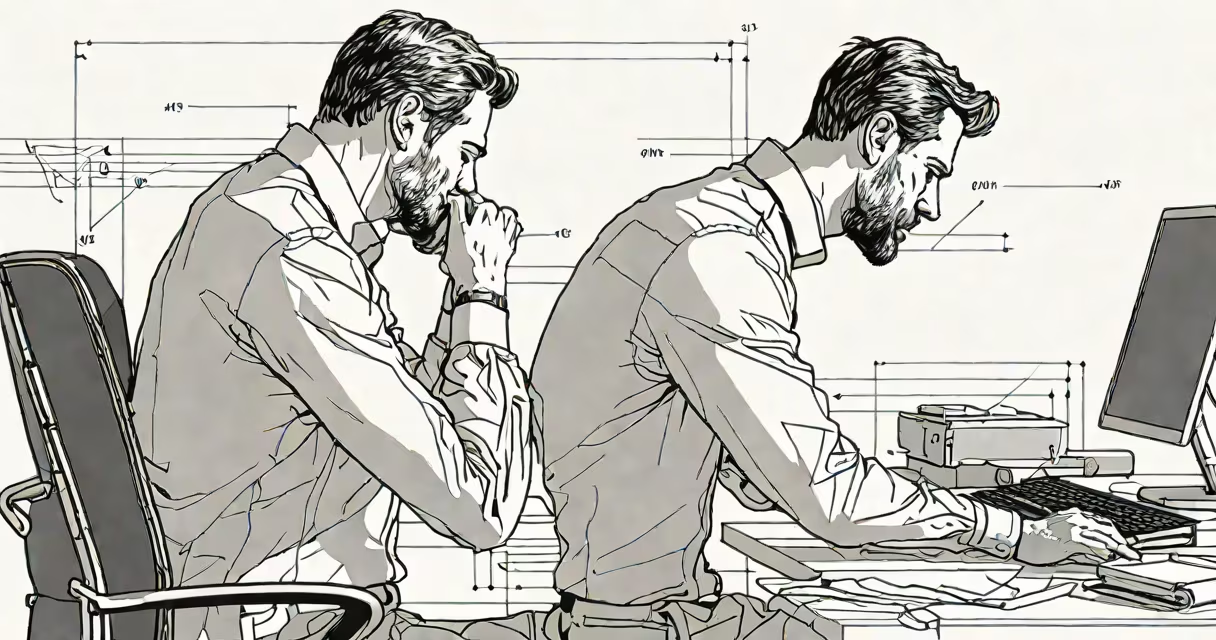
Severe neck pain often results from muscle strain, poor posture during screen use, or nerve compression in the cervical spine. It can develop suddenly or worsen over hours, especially after prolonged sitting or sleeping in an awkward position.
Neck pain is one of the most common musculoskeletal complaints. According to the American Academy of Orthopaedic Surgeons, nearly 30% of adults report neck pain in a given year, with most cases resolving within a few days. However, persistent or worsening pain may signal a deeper issue requiring medical evaluation.
The neck supports the head-about 10 to 12 pounds-and moves in multiple directions. Repetitive motion, sudden jerking (like in whiplash), or sustained static positions stress the muscles, ligaments, and joints. This leads to inflammation, spasms, and pain signals sent to the brain.
Nerve roots in the cervical spine (C1-C7 vertebrae) can become compressed due to herniated discs, bone spurs, or spinal stenosis. Compression irritates nerves, causing sharp, shooting pain that may radiate into the shoulder or arm. A 2021 study in Spine Journal found that cervical radiculopathy-nerve root irritation-accounts for 15% of chronic neck pain cases.
Common triggers include looking down at phones (text neck), driving long distances, or using a poorly positioned workstation. Even sleeping on a pillow that's too high or too flat can misalign the cervical spine overnight.
Not all neck pain is the same. The cause determines whether relief comes quickly or requires intervention.
| Type | Common Cause | Typical Duration | Relief Strategy |
|---|---|---|---|
| Muscle strain | Poor posture, lifting heavy objects, prolonged sitting | Hours to 3 days | Heat, gentle stretching, rest |
| Nerve-related pain | Herniated disc, spinal stenosis | Days to weeks, may worsen | Physical therapy, medications, imaging |
| Referred pain | Joint dysfunction, arthritis, sinus issues | Variable, often chronic | Treatment of underlying condition |
One non-obvious distinction: neck pain from muscle strain usually improves with movement and light activity. Pain from nerve compression often worsens with certain motions-like turning the head or bending forward-and may feel electric or burning.
I once treated a patient who reported severe neck pain after a weekend of gaming. He sat slumped for 12 hours daily, head tilted forward. After a week of rest and posture correction, his pain dropped from 8/10 to 2/10. But when he returned to the same habits, it flared again-proof that behavior drives recovery.
Many assume neck pain is simply stress or tightness. But persistent pain-especially with numbness, weakness, or headaches-is not normal. The Mayo Clinic notes that symptoms like hand tremors, difficulty walking, or loss of bladder control require immediate evaluation to rule out spinal cord involvement.
Red flags include:
If you experience any of these, see a healthcare provider. Imaging such as MRI or CT may be needed to assess disc health or spinal alignment.
For mild to moderate pain, start with 15 minutes of heat or ice, then gentle range-of-motion exercises. Try the chin tuck: sit upright, slowly pull your chin back toward your chest without tilting your head. Hold for 5 seconds, repeat 10 times. This strengthens deep neck flexors and reduces forward head posture.
A fully worked example: Sarah, 38, had neck pain for 14 days after a car accident. She reported stiffness, dizziness, and left arm numbness. An MRI showed a C6-C7 disc herniation pressing on a nerve root. She began physical therapy twice weekly, avoided overhead lifting, and used a cervical collar for short periods. After six weeks, her pain decreased by 70%, and she resumed work.