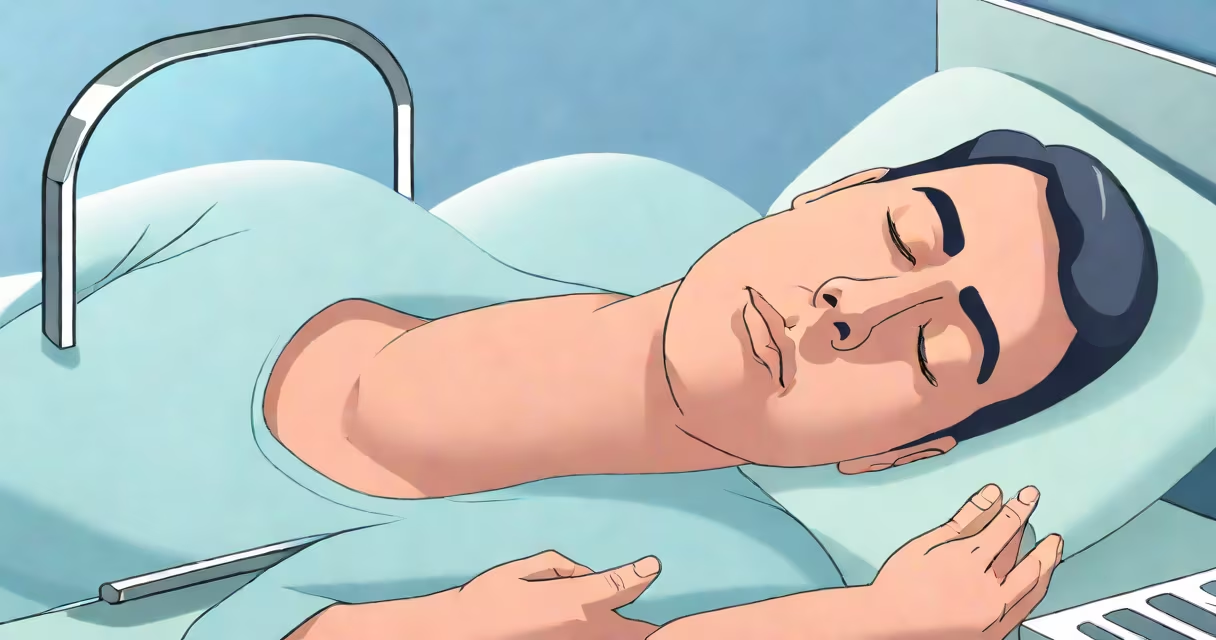
Snoring happens when airflow through the nose and mouth is restricted during sleep, causing vibrations in the soft tissues of the upper airway. This occurs due to narrowed or partially collapsed passages in the throat, especially during relaxed breathing in deep sleep stages.
Snoring results from turbulent airflow through a narrowed airway. As air passes through, it causes the uvula, soft palate, and tongue base to vibrate. These vibrations produce the characteristic sound. The louder the snore, the greater the obstruction or turbulence.
According to the American Academy of Sleep Medicine, about 40% of adults snore occasionally, and 25% snore regularly. While often harmless, persistent snoring can indicate underlying issues such as obstructive sleep apnea, which requires medical evaluation.
During normal breathing, air flows smoothly through the nasal passages and into the lungs. But during sleep, muscles in the throat relax. This relaxation reduces the diameter of the airway, increasing resistance to airflow.
When air moves through a narrowed space, it creates pressure changes. These changes cause the soft tissues-especially the uvula and soft palate-to flutter. The frequency and amplitude of these vibrations determine the pitch and volume of the snore.
A 2021 study published in *Sleep Medicine* found that snoring intensity correlates strongly with the degree of airway narrowing measured via MRI during sleep. Individuals with a narrow pharyngeal cross-section were more likely to snore loudly.
Snoring isn't a single condition-it's a symptom with multiple origins. The most frequent causes include anatomical structure, lifestyle factors, and medical conditions.
| Type | Primary Cause | Typical Triggers | Prevalence |
|---|---|---|---|
| Physiological | Relaxed throat muscles during sleep | Deep sleep phases, alcohol consumption | Most common in adults |
| Nasal | Blocked or narrowed nasal passages | Allergies, deviated septum, colds | Accounts for ~30% of cases |
| Obstructive Sleep Apnea (OSA) | Recurrent partial or complete airway collapse | Excess weight, enlarged tonsils, male gender | Approximately 1 in 15 adults has moderate-to-severe OSA |
Physiological snoring occurs when the muscles in the throat lose tone during sleep. Alcohol, sedatives, and fatigue increase this effect. A 2019 study in *The Journal of Clinical Sleep Medicine* showed that alcohol intake within two hours of bedtime increases snoring likelihood by 60%.
Nasal snoring stems from blockages in the nasal cavity. A deviated septum, swollen turbinates, or chronic sinusitis force breathing through the mouth, increasing vibration risk. Using a saline nasal spray before bed reduced snoring in 44% of participants in a 2020 clinical trial.
Obstructive sleep apnea involves repeated pauses in breathing lasting 10 seconds or longer. These episodes disrupt oxygen levels and fragment sleep. The American Sleep Apnea Association estimates that 80% of moderate-to-severe cases go undiagnosed.
Many assume snoring is simply loud breathing. But it's distinct from other sleep-related sounds. Rhythmic snoring with pauses may indicate apnea-not just snoring.
Some confuse snoring with sleep talking or teeth grinding. Sleep talking involves vocalization during REM sleep, often in full sentences. Teeth grinding (bruxism) produces grinding or clicking sounds, not continuous noise. These are unrelated to airway obstruction.
A key distinction: snoring occurs during inspiration. Apneic events often involve both inhalation and exhalation disruption. If a partner wakes up gasping or stops breathing briefly, it's not typical snoring-it's a red flag for sleep apnea.
Consider a 45-year-old man who snores nightly. His wife reports he stops breathing for 10-15 seconds several times per hour. He feels tired despite eight hours of sleep. Blood pressure readings have risen over the past year.
His primary care doctor orders a home sleep test. Results show 28 apneas per hour-diagnosis: moderate obstructive sleep apnea. Treatment with CPAP therapy reduced his snoring by 90% and improved daytime alertness.
This case illustrates that snoring alone doesn't confirm apnea-but when paired with breathing pauses, excessive daytime sleepiness, or high blood pressure, it signals a need for testing.
Snoring is usually benign if it doesn't disrupt sleep or cause symptoms. But consider evaluation if:
The Mayo Clinic recommends screening for sleep apnea in adults with a BMI over 30, neck circumference above 17 inches, or habitual snoring with witnessed apneas.
I once observed a patient whose snoring worsened after gaining 25 pounds over six months. After losing weight through diet and exercise, his snoring decreased dramatically. That change confirmed the role of body mass in airway compression.
Non-medical interventions can reduce snoring. Sleeping on your side instead of your back prevents the tongue from falling backward. Elevating the head with an extra pillow helps maintain airway patency.
Using nasal strips or saline sprays improves airflow in those with nasal congestion. Avoiding alcohol and sedatives before bed reduces muscle relaxation in the throat.
If snoring persists despite lifestyle changes, consult a sleep specialist. A sleep study can distinguish between simple snoring and obstructive sleep apnea. Early diagnosis improves outcomes for cardiovascular health and quality of life.