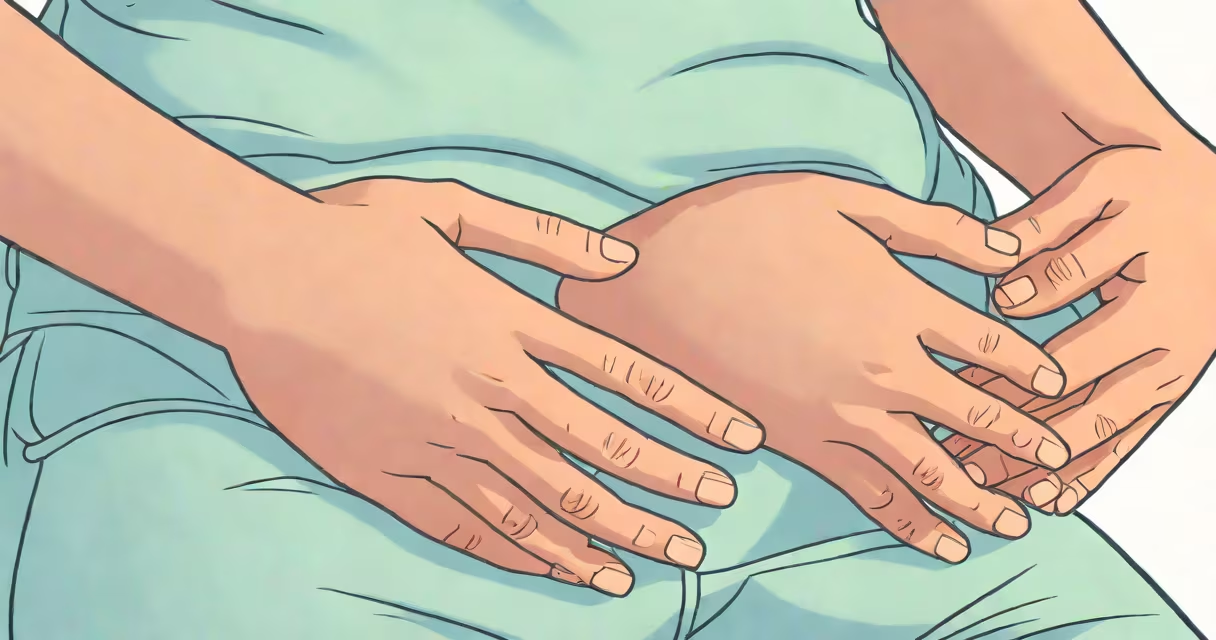
Stomach cramping describes sharp, wave-like contractions in the abdominal area caused by muscle spasms in the gastrointestinal tract. These sensations often come in bursts and may be linked to digestion, gas, hormonal shifts, or underlying conditions.
Cramping occurs when smooth muscles in the intestines contract involuntarily. This happens normally during digestion, but excessive or painful contractions signal a disruption. Common triggers include dietary irritants, stress, infections, or menstrual cycles. The sensation can mimic period pain, especially in people with endometriosis or irritable bowel syndrome (IBS).
According to the American College of Gastroenterology, nearly 45% of adults report experiencing abdominal cramping at least once a month, with most cases resolving within 24 hours. Persistent or worsening cramps require medical evaluation to rule out serious causes such as inflammatory bowel disease or intestinal obstruction.
The digestive system relies on coordinated muscle contractions called peristalsis to move food through the intestines. When this process is disrupted-by gas, inflammation, or nerve sensitivity-muscles spasm uncontrollably, causing cramping.
These spasms activate nociceptors, sensory nerves that detect pain. Signals travel to the spinal cord and brain, where they're interpreted as cramping. The intensity varies based on the location and cause: upper abdominal cramps may stem from acid reflux or gallstones, while lower cramps often relate to gas, constipation, or menstrual activity.
A 2022 study published in *Gut* found that individuals with IBS have heightened sensitivity in the gut-brain axis, meaning normal contractions feel painful. This explains why mild digestive changes can trigger severe cramping in some people.
Not all cramping is the same. The following table outlines typical triggers, their patterns, and distinguishing features.
| Trigger | Timing & Pattern | Distinguishing Features |
|---|---|---|
| Gas buildup | After meals, often in waves | Localized pressure, bloating, passing gas relieves pain |
| Food intolerance (e.g., lactose) | 30 min - 2 hours post-consumption | Diarrhea, nausea, bloating; resolves after avoiding trigger |
| Menstrual cycle | Pre-menstrual or during period | Lower abdomen, radiates to back; worsens with prostaglandins |
| IBS flare-up | Chronic, unpredictable | Alternating diarrhea/constipation; relief after bowel movement |
| Urinary tract infection (UTI) | Constant dull ache, may radiate | Often includes burning during urination, frequent urge |
One non-obvious distinction: cramping from gas usually moves around the abdomen, while cramping from intestinal obstruction stays localized and worsens over time. A single episode of bloating and cramping after eating beans is likely harmless. But if cramps persist beyond 48 hours or occur with fever, blood in stool, or inability to pass gas, seek medical attention.
Stomach cramps that feel like menstrual pain often originate in the lower abdomen and may be sharp or throbbing. This overlap happens because the uterus and intestines share nerve pathways via the pelvic plexus. Pain signals can cross, making intestinal spasms feel like uterine contractions.
Endometriosis-a condition where tissue similar to the uterine lining grows outside the uterus-can cause cramping that mimics periods but occurs between cycles. The condition affects about 10% of reproductive-age individuals, according to the Endometriosis Foundation of America. Symptoms include chronic pelvic pain, painful intercourse, and infertility.
I experienced this firsthand during a routine colonoscopy prep. After consuming clear liquids and laxatives, I felt intense lower abdominal cramping that mirrored my menstrual cycle. It wasn't related to hormones-it was due to intestinal distension from fluid intake. Once the bowel emptied, the cramping stopped. This highlighted how physical pressure can mimic hormonal pain.
Not all cramping requires treatment. However, certain signs indicate a need for prompt evaluation:
These symptoms may signal appendicitis, diverticulitis, or intestinal blockage. The National Institute of Diabetes and Digestive and Kidney Diseases notes that untreated appendicitis can lead to rupture within 24-48 hours of symptom onset.
If cramping coincides with dizziness, cold sweats, or rapid heartbeat, it could indicate internal bleeding or shock. Seek emergency care immediately.
For ongoing issues, consider tracking symptoms using a journal. Note timing, food consumed, stress levels, and menstrual cycle phase. This data helps doctors identify patterns and recommend targeted treatments.
Most stomach cramping resolves with rest, hydration, and avoiding known triggers. But persistent or severe episodes demand clinical evaluation to prevent complications.