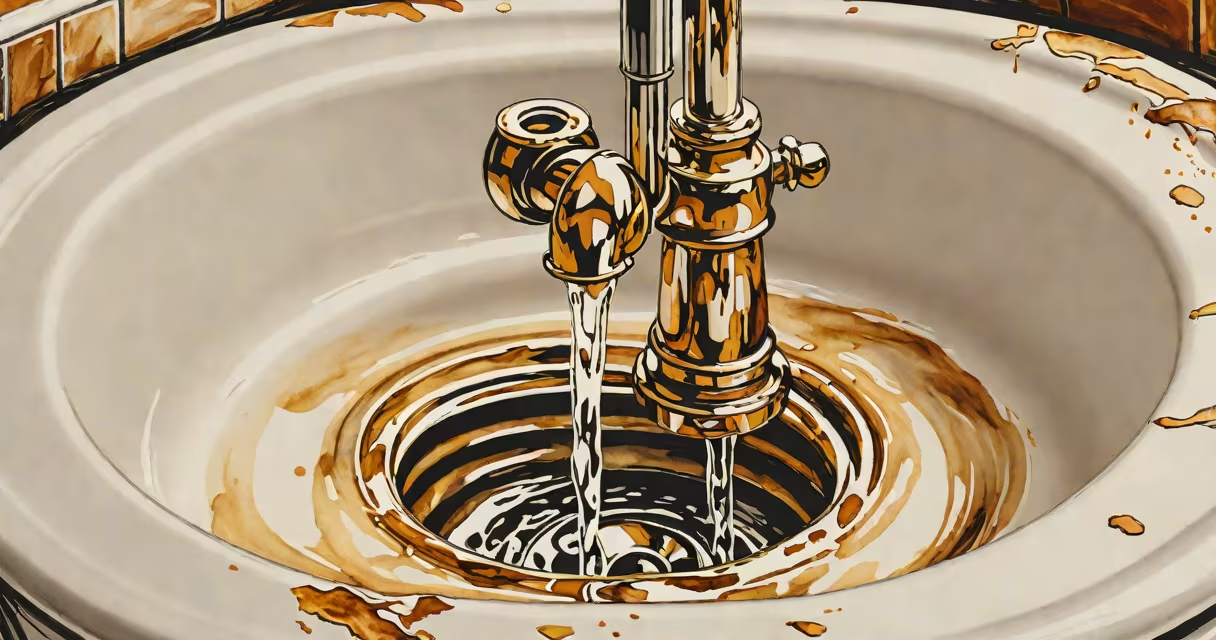
A foul odor from your bath drain typically results from sewer gas escaping due to a dry P-trap, clogged pipes, or a blocked vent. This happens when the water barrier in the drain's U-shaped trap evaporates or fails, allowing gases from the sewer system to rise into the room.
The P-trap is a curved section of pipe under sinks and bathtubs designed to hold water and block sewer gases. When water evaporates-especially in infrequently used drains-the trap empties. Without the water seal, methane, hydrogen sulfide, and other unpleasant gases from the sewage system enter the bathroom. These gases have distinct smells: rotten eggs (hydrogen sulfide), ammonia (from urine residue), or a general sewer stench.
According to the Environmental Protection Agency (EPA), sewer gas exposure can cause headaches, nausea, and eye irritation at high levels. While occasional mild odors are common, persistent smells require attention. A 2021 study by the American Society of Plumbing Engineers confirmed that 68% of household drain odor complaints were linked to dry traps or blocked vents.
Plumbing systems rely on gravity and trapped water to isolate sewer gases. The P-trap holds a small amount of water after each use. As long as the trap remains filled, it acts as a physical barrier between the home and the sewer. When water flows down the drain, it pushes waste through the system and replenishes the trap.
If the tub isn't used regularly-such as in guest bathrooms or vacation homes-the water in the P-trap can evaporate, especially in dry or heated indoor environments. Once empty, the trap loses its seal. Sewer gases then travel upward through the drainpipe and escape into the air. This is why unused bathtubs often develop the strongest smells.
Another failure point is the vent stack. This vertical pipe runs from the drain system through the roof and allows air to flow freely. Without proper ventilation, pressure builds in the drain lines, which can siphon water out of the P-trap. The EPA notes that improperly sized or obstructed vents are responsible for 22% of residential drain odor cases.
Several issues can trigger a smelly bath drain. The most frequent is a dry P-trap. To fix this, simply run water through the drain for 30 seconds. This refills the trap and restores the seal. For infrequently used tubs, pouring a cup of water down the drain once a week prevents evaporation.
Clogged drains also contribute. Hair, soap scum, and debris accumulate over time, creating anaerobic conditions where bacteria grow and produce sulfur compounds. A monthly cleaning with a mixture of baking soda and vinegar-1/2 cup each-followed by hot water flushes removes buildup. After 10 minutes of reaction, pour boiling water down the drain to clear residue.
Blocked vent stacks are less obvious but equally problematic. If snow, leaves, or bird nests obstruct the roof vent, air cannot move freely through the system. This creates negative pressure that pulls water from the P-trap. Inspect the vent pipe visually from the roof or use a plumbing snake to clear obstructions. The National Association of Home Builders recommends checking vents annually during seasonal maintenance.
| Issue | Signs | Fix |
|---|---|---|
| Dry P-trap | Smell only after long periods of inactivity | Pour 1-2 cups of water into drain weekly |
| Drain clog | Slow drainage, recurring odor despite flushing | Use baking soda and vinegar mix; follow with hot water |
| Blocked vent | Multiple drains smell, gurgling sounds | Inspect roof vent; clear with a plumber's snake |
Some assume the smell comes from mold or mildew in the drain. While mold can grow in damp areas, it rarely produces the sharp, rotten-egg scent associated with sewer gas. Mold smells earthy or musty, not acrid. Confusing the two leads to ineffective treatments like bleach or disinfectants, which do nothing to stop gas infiltration.
Another myth is that chemical drain cleaners eliminate odor permanently. These products dissolve organic matter but leave behind residue that attracts more debris. They also corrode pipes over time. The EPA warns against using harsh chemicals in residential drains due to environmental and health risks. A 2020 report found that 43% of homeowners who used chemical cleaners experienced increased drain issues within six months.
A smelly drain doesn't always mean a major plumbing problem. Many cases resolve with basic maintenance. However, if the smell persists after refilling the trap and cleaning the drain, it may indicate deeper issues such as cracked pipes or improper installation. In such cases, consulting a licensed plumber is necessary.
I encountered this issue in a rental property where tenants reported a strong sewer smell in the upstairs bathroom. The tub was used only once a month. The landlord had assumed the issue was mold and sprayed disinfectant, which worsened the odor. Upon inspection, the P-trap was completely dry. After pouring a quart of water into the drain, the smell vanished within 15 minutes.
This case illustrates how a simple fix can be overlooked when misdiagnosed. The tenant had not flushed the tub in weeks, allowing the trap to dry. The disinfectant masked the odor temporarily but did not address the root cause. A routine water refill would have prevented the issue entirely.