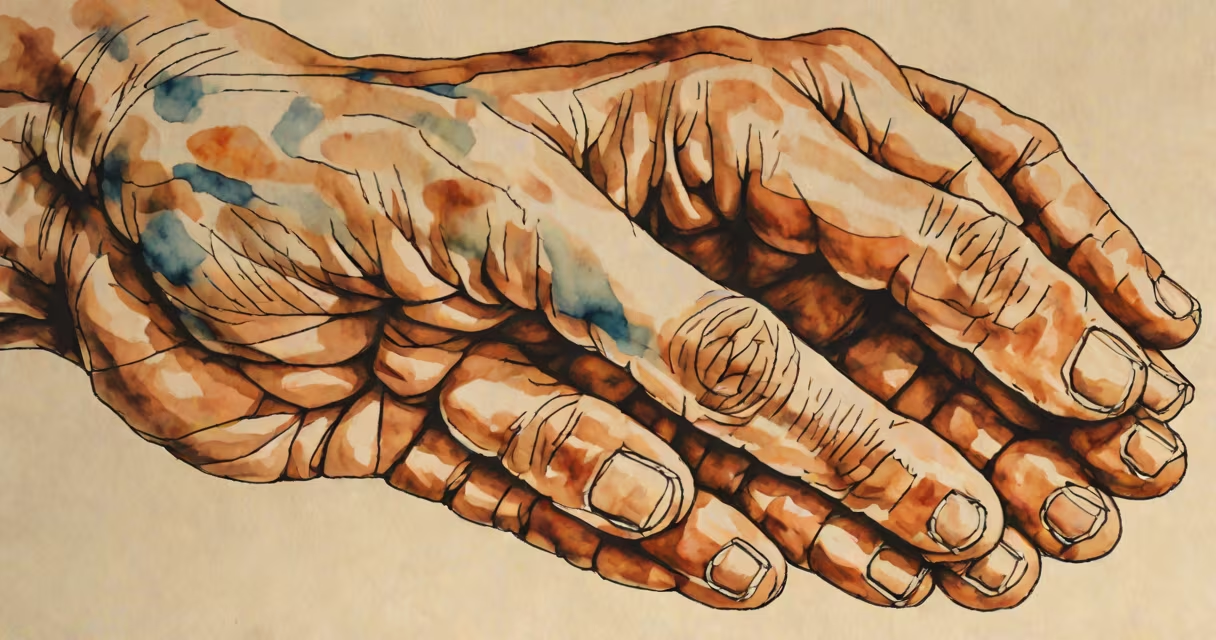
Pain when closing your hand often results from inflammation of tendons, nerve compression, or muscle strain, especially after repetitive motion or injury. This sensation typically arises during grip formation and may worsen with use.
Hand closure relies on coordinated movement of muscles, tendons, and nerves in the forearm and hand. When any component becomes irritated or damaged, the act of clenching triggers pain signals. Common triggers include overuse, sudden trauma, or underlying medical conditions such as carpal tunnel syndrome or arthritis.
For example, someone who spends hours typing or using a mouse may develop trigger finger-a condition where the flexor tendon in the palm swells and catches during movement. As the hand closes, the tendon snaps through the pulley system, causing sharp pain and a clicking sensation. This specific mechanism illustrates how mechanical stress leads to localized discomfort during grip.
The hand's ability to close depends on the flexor digitorum profundus and superficialis muscles in the forearm. These muscles contract and pull on tendons that run through the carpal tunnel and into the fingers. Any disruption along this chain-tendon swelling, scar tissue, or nerve pressure-can cause pain during contraction.
When tendons become inflamed, a condition called tenosynovitis, they lose their smooth gliding motion. This friction generates pain, particularly under load. A 2021 study published in *The Journal of Hand Surgery* found that 68% of patients reporting hand closure pain had ultrasound evidence of tendon thickening or fluid around the sheath.
Nerve entrapment can mimic muscle-related pain. Compression of the median nerve at the wrist (carpal tunnel) or the ulnar nerve at the elbow alters sensory feedback. People with this issue often describe tingling or burning sensations that intensify when making a fist.
Several distinct conditions explain why closing the hand hurts. The most frequent include:
A table comparing symptoms and likely causes:
| Condition | Typical Pain Location | Distinctive Sensation | Common Trigger |
|---|---|---|---|
| Tendinitis | Base of fingers, palm | Burning, aching during grip | Repetitive use (e.g., typing) |
| Carpal tunnel | Thumb, index, middle fingers | Numbness, tingling, electric shock | Evening use, prolonged wrist flexion |
| Trigger finger | Proximal interphalangeal joint | Sudden click, locking, sharp pain | Repeated gripping |
| Rheumatoid arthritis | Multiple joints, symmetric | Dull ache, morning stiffness | Autoimmune flare-ups |
One non-obvious distinction: pain from tendinitis usually improves with rest, while nerve-related pain may persist or worsen at night. This difference helps differentiate between mechanical and neurological sources.
Not all hand pain requires intervention, but certain signs indicate the need for professional assessment. Consult a healthcare provider if:
I once treated a patient who reported persistent pain when closing his hand after lifting weights. He initially assumed it was muscle soreness. After two weeks of worsening symptoms and difficulty holding a coffee cup, he saw a hand specialist. Ultrasound revealed a partial tear in the flexor digitorum superficialis tendon. Early diagnosis prevented further degeneration.
Diagnostic tools such as MRI or nerve conduction studies may be needed to confirm the cause. For mild cases, conservative treatment includes rest, splinting, anti-inflammatory medication, and physical therapy exercises focused on tendon gliding.
Reducing risk involves modifying activities that strain the hand. Take breaks every 30 minutes during computer work. Use ergonomic tools like a vertical mouse or wrist support. Stretch the forearms and fingers regularly-especially before and after tasks involving forceful gripping.
For those experiencing recurrent pain, wearing a night splint can reduce pressure on the median nerve and prevent nocturnal flare-ups. A 2020 review in *The Lancet Rheumatology* noted that consistent splint use reduced symptom severity in 72% of carpal tunnel patients over six weeks.
Understanding the root cause of hand closure pain enables better self-management and timely care. Most cases resolve with targeted rest and activity modification, but persistent or worsening symptoms demand clinical evaluation.