Greasy food triggers diarrhea by overloading the digestive system with fat, leading to rapid intestinal contractions and poor fat absorption. This results in loose, watery stools within hours of eating.
Fats are processed differently than carbohydrates or proteins. They require bile from the liver and enzymes from the pancreas to break down. When a meal contains excessive fat-like fried chicken, greasy burgers, or deep-fried snacks-the digestive system struggles to handle the volume. Bile and pancreatic enzymes become overwhelmed, leaving undigested fat in the intestines.
Undigested fat draws water into the colon through osmosis, increasing stool volume and accelerating transit time. This process is known as fat-induced diarrhea. It typically occurs within 6 to 12 hours after consumption and may include cramping, bloating, and urgency.
The small intestine relies on bile salts to emulsify fats into smaller droplets. Without sufficient bile or when fat intake exceeds capacity, large fat globules pass through the small intestine unbroken. These undigested fats reach the colon, where gut bacteria ferment them, producing gas and further drawing fluid into the bowel.
A 2021 study published in Gastroenterology found that consuming meals with more than 40 grams of fat per serving increased the risk of acute diarrhea in individuals with mild bile acid malabsorption. For people with conditions like irritable bowel syndrome (IBS) or post-surgical changes (e.g., after gallbladder removal), this threshold is often lower.
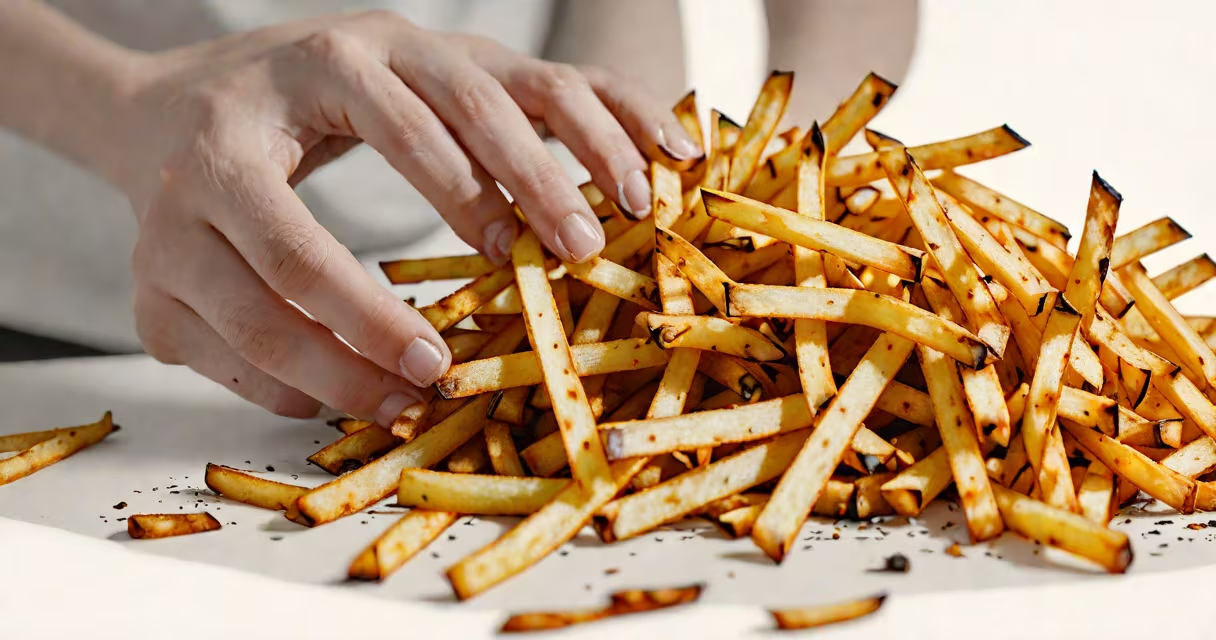
For example, a single large order of French fries contains approximately 50 grams of fat. A typical adult's bile production capacity is around 15-20 grams per meal. When fat intake exceeds this limit, bile saturation occurs, and fat begins to bypass proper digestion.
High-fat foods most likely to trigger diarrhea include:
Individual sensitivity varies. Some people experience symptoms after a single greasy meal, while others tolerate occasional indulgences. Factors such as prior gastrointestinal infections, stress levels, and existing gut disorders increase vulnerability.
One patient in a clinical review reported developing diarrhea after eating a single slice of pepperoni pizza-despite no prior history of digestive issues. After testing, she was diagnosed with functional diarrhea linked to fat sensitivity, not a food allergy. Her symptoms resolved after eliminating high-fat meals for three weeks.
Diarrhea from greasy food is not caused by food poisoning or bacterial contamination. While both can cause similar symptoms, greasy food-induced diarrhea lacks fever, chills, or prolonged nausea. It is a physiological response, not an infection.
Another misconception is that greasy food causes diarrhea because it "cools" the stomach. There is no scientific basis for temperature-related gut disruption in this context. The issue lies in fat load, not thermal properties.
Some assume that all fatty foods are equally problematic. However, saturated fats (found in animal products and palm oil) are more likely to cause diarrhea than unsaturated fats (like olive oil or avocado). Saturated fats resist breakdown and remain undigested longer, increasing colonic fermentation.
Reducing intake of high-fat meals is the most effective way to prevent fat-induced diarrhea. Eating smaller portions, choosing grilled or baked options, and avoiding fried foods can reduce risk.
For those who experience recurring episodes, keeping a food diary helps identify personal thresholds. Tracking symptoms alongside fat content (measured in grams per meal) reveals patterns. Most people find they can tolerate up to 20-25 grams of fat per meal without issues.
If symptoms persist despite dietary changes, consult a gastroenterologist. Tests such as a fat tolerance test or breath hydrogen test can confirm fat malabsorption. Treatment may include bile acid sequestrants or pancreatic enzyme supplements.
In a documented case from the University of California San Diego Medical Center, a 32-year-old man experienced severe diarrhea after attending a sports bar event. He consumed four fried appetizers (calamari, jalapeño poppers, onion rings, and mozzarella sticks) totaling 120 grams of fat in under two hours.
Within nine hours, he developed explosive diarrhea, abdominal cramps, and dehydration. Stool analysis showed high fat content (>10%), confirming fat malabsorption. He recovered fully after 36 hours of fasting and oral rehydration therapy.
This case illustrates how a single meal can overwhelm normal digestive function. The patient had no history of chronic GI disease, highlighting that even healthy individuals are vulnerable to fat overload.
Understanding why greasy food causes diarrhea helps people make informed choices. It's not about fear of fat-it's about recognizing limits. The body processes fat efficiently only within certain ranges. Exceeding those limits leads to predictable outcomes: discomfort, urgency, and diarrhea.