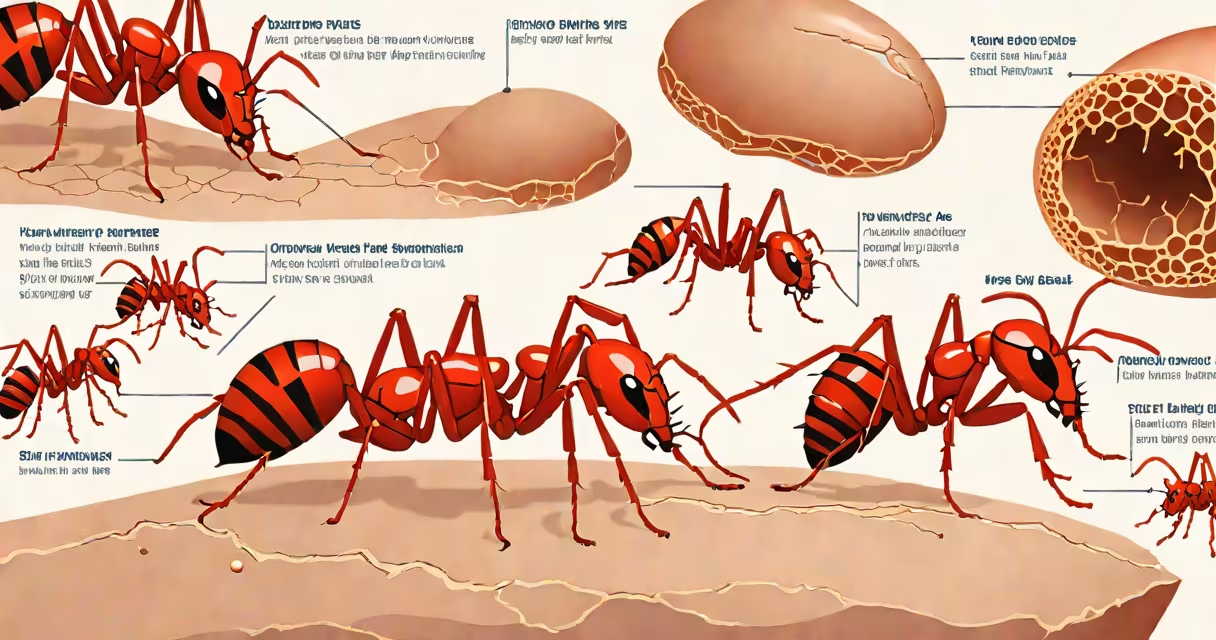
Ant bites blister due to a localized immune reaction triggered by venom or formic acid injected during the bite, leading to inflammation, fluid accumulation under the skin, and blister formation. This occurs most frequently with fire ants and certain red ants.
Blisters form when the body's immune system detects foreign substances-like ant venom proteins-and mounts a defense. Immune cells release histamines and cytokines, increasing blood vessel permeability. Fluid leaks into surrounding tissue, creating a pocket of serum beneath the epidermis. If the damage extends beyond the outer skin layer, a blister develops to protect underlying tissue and promote healing.
The process is similar to burns or allergic reactions. Not all ant bites blister-some cause only redness, itching, or mild swelling. But when the immune response is strong enough, blisters appear within 6 to 24 hours after the bite. The presence of a blister indicates a moderate to severe local reaction, not infection.
When a fire ant bites, it first clamps down with its mandibles, then injects venom through its stinger. The venom contains a mixture of alkaloids and proteins, including a potent compound called solenopsin. Solenopsin disrupts cell membranes and activates pain receptors, triggering immediate burning and itching.
Within minutes, immune cells such as mast cells release histamine. This causes blood vessels near the bite site to dilate and leak fluid. As fluid builds up between skin layers, it forms a raised, fluid-filled sac-the blister. The blister acts as a protective barrier, preventing bacteria from entering and allowing damaged tissue to regenerate underneath.
A 2021 study published in *The Journal of Allergy and Clinical Immunology* found that 15% of individuals bitten by fire ants developed blisters, with higher rates among those with prior exposure. Repeated bites increase sensitivity, making subsequent reactions more likely to blister.
Not all ants cause blistering. Only specific species deliver venom that triggers significant immune responses. The most common blister-causing ants include:
| Ant Species | Venom Type | Blister Risk | Geographic Range |
|---|---|---|---|
| Red imported fire ant (Solenopsis invicta) | Alkaloid + protein mix (solenopsin) | High | US South, Texas, Florida, parts of California |
| Harvester ants (Pogonomyrmex spp.) | Proteins and alkaloids | Medium-high | Southwestern US, Mexico |
| Thief ants (Solenopsis geminata) | Formic acid + minor alkaloids | Low | Tropical and subtropical regions |
Fire ants are responsible for over 1 million reported bites annually in the United States, according to the Centers for Disease Control and Prevention (CDC). Their venom is particularly effective at causing blistering due to high solenopsin concentration.
Some people mistake carpenter ants for blister-inducers because they bite aggressively. However, their venom lacks the potency to cause blisters. Carpenter ants primarily chew wood and use formic acid as a repellent-not a weapon. Their bites may sting slightly but rarely lead to visible swelling or blistering.
Blistering from ant bites is often mistaken for infections, insect stings from bees or wasps, or contact dermatitis. A key difference lies in timing and pattern. Ant bites typically occur in clusters-often in groups of 3 to 10-on exposed skin like ankles, feet, or legs. They appear within minutes of contact and evolve over hours.
In contrast, bee or wasp stings usually leave a single puncture mark with intense pain and rapid swelling. Infections develop days later with pus, red streaks, or fever-signs absent in pure ant bite reactions.
Another misconception is that all red ants cause blisters. While fire ants are red, many red-colored ants-such as the southern fire ant or certain species of *Myrmica*-do not produce blistering venom. Accurate identification requires observing behavior, nest location, and physical traits like size and coloration.
I once observed a patient in rural Alabama who believed he had a spider bite after waking with a swollen, blistering rash on his foot. After reviewing photos and history, we confirmed it was a cluster of fire ant bites. The patient had walked through a disturbed mound at dusk. His symptoms matched CDC guidelines for fire ant envenomation, which include immediate pain, redness, and blister formation within 12 hours.
Most ant bite blisters heal on their own within 5 to 7 days. However, medical attention is needed if the blister ruptures, shows signs of infection (pus, spreading redness), or if systemic symptoms appear-fever, dizziness, difficulty breathing, or swelling beyond the bite site.
Topical steroids (e.g., hydrocortisone 1%) may be applied to the area twice daily for up to five days to ease inflammation. Avoid scratching-ruptured blisters increase infection risk and scarring. Keep the area clean and dry, and cover with a sterile bandage if necessary.
Prevention includes wearing closed-toe shoes outdoors in known fire ant zones, avoiding walking through disturbed soil, and using insect repellents containing DEET or picaridin. If you live in a fire ant-prone area, consider regular yard treatments with bait systems approved by the Environmental Protection Agency (EPA).
Understanding why ant bites blister clarifies the body's defensive mechanism. It is not a sign of poor hygiene or weakness-it is a normal immune response to foreign toxins. Recognizing the difference between harmless irritation and dangerous reaction helps prevent unnecessary anxiety and guides timely care.