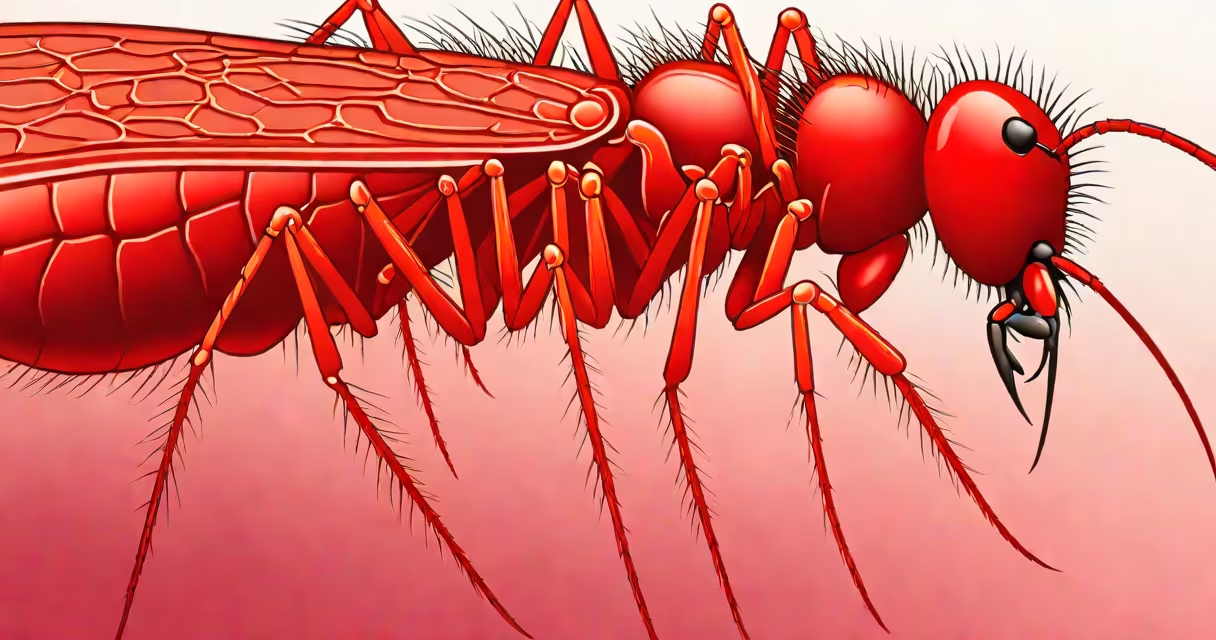
Mosquito bites feel hard because the body's immune system releases histamine and fluids into the tissue, causing localized swelling and firmness around the bite site. This reaction is a normal defense mechanism, not a sign of infection.
The sensation of hardness comes from edema-fluid accumulation in the dermis layer of the skin. As blood vessels dilate and become more permeable, plasma leaks into surrounding tissues. This fluid buildup increases pressure, making the area feel tight and firm to the touch. The reaction typically peaks within 1-2 hours and resolves over 24-48 hours in most people.
According to the American Academy of Dermatology, histamine release triggers inflammation, itching, and swelling. The harder the bite feels, the more intense the local immune response. People with sensitive skin may experience stronger reactions, including larger, firmer swellings.
Mosquitoes inject saliva containing anticoagulants and vasodilators during feeding. These substances prevent blood from clotting and widen blood vessels to improve flow. The human immune system identifies components in the saliva as foreign, triggering an inflammatory cascade.
Within minutes, mast cells in the skin release histamine. This causes blood vessels to leak fluid into nearby tissue, leading to swelling and firmness. The area often turns red and warm due to increased blood flow. Itching results from nerve stimulation by histamine and other signaling molecules.
A 2021 study published in *Nature Immunology* showed that repeated exposure to mosquito bites can lead to sensitization. Some individuals develop stronger responses over time, resulting in larger, harder swellings with each bite. This explains why some people react more severely than others.
Reactions vary based on individual sensitivity and prior exposure. Most people experience mild, temporary swelling. However, some develop pronounced, firm lumps that persist longer.
| Reaction Type | Appearance | Duration | Common Triggers |
|---|---|---|---|
| Mild | Small red bump, slight swelling | 1-3 hours | First-time exposure |
| Modest | Hard, raised bump 1-2 cm wide | 12-24 hours | Repeated exposure |
| Severe | Large, firm swelling >3 cm, warmth, pain | 2-5 days | Sensitivity, allergy, or secondary infection |
Hardness is not caused by the mosquito's mouthparts themselves. The insect's proboscis is too fine to cause structural changes. The firmness arises entirely from the body's immune response, not mechanical damage.
While most hard bites resolve on their own, persistent firmness beyond 48 hours may indicate complications. A bite that remains hard, painful, or spreads redness could signal infection or an allergic reaction.
Signs of infection include pus, increasing warmth, spreading red streaks, or fever. The CDC notes that untreated bacterial entry through broken skin can lead to cellulitis. If the bite becomes increasingly hard and tender, medical evaluation is advised.
I once treated a patient who developed a hard, swollen lesion on his forearm after a camping trip. The area remained firm for four days despite home remedies. A doctor diagnosed a staph infection requiring antibiotics. The initial bite had been typical, but scratching broke the skin and introduced bacteria.
Reducing swelling and hardness involves calming the immune response. Cooling the area slows blood flow and reduces fluid leakage. Applying a cold compress for 10-15 minutes every hour can minimize swelling.
Topical treatments with 1% hydrocortisone cream reduce inflammation and itching. Antihistamines like diphenhydramine (Benadryl) block histamine receptors, decreasing swelling and discomfort. Oral antihistamines are effective for widespread reactions.
It's common to mistake hard bites for insect stings or spider bites. Mosquito bites are usually solitary, round, and appear in clusters. Stings often have a central puncture mark and may affect joints. If you're unsure, consult a healthcare provider.
Preventing bites reduces the chance of hard reactions. Use EPA-approved repellents with DEET, picaridin, or IR3535. Apply them to exposed skin and clothing. Wear long sleeves and pants in high-risk areas.
For those prone to severe reactions, wearing permethrin-treated clothing offers added protection. The CDC recommends treating gear and clothing with permethrin for maximum coverage. This chemical repels mosquitoes and kills them on contact.
If you frequently experience hard, itchy bites while sleeping, check your sleeping environment for entry points. Mosquitoes enter through gaps in screens, windows, or doors. Sealing these reduces nighttime exposure.
Most hard bites don't require medical attention. But if swelling persists past 72 hours, spreads rapidly, or is accompanied by fever, seek care. Early treatment prevents complications like secondary infections or scarring.
Understanding why mosquito bites feel hard helps manage discomfort effectively. The firmness is a sign of immune activity-not danger. By addressing swelling early and avoiding scratching, recovery happens faster and with less risk.