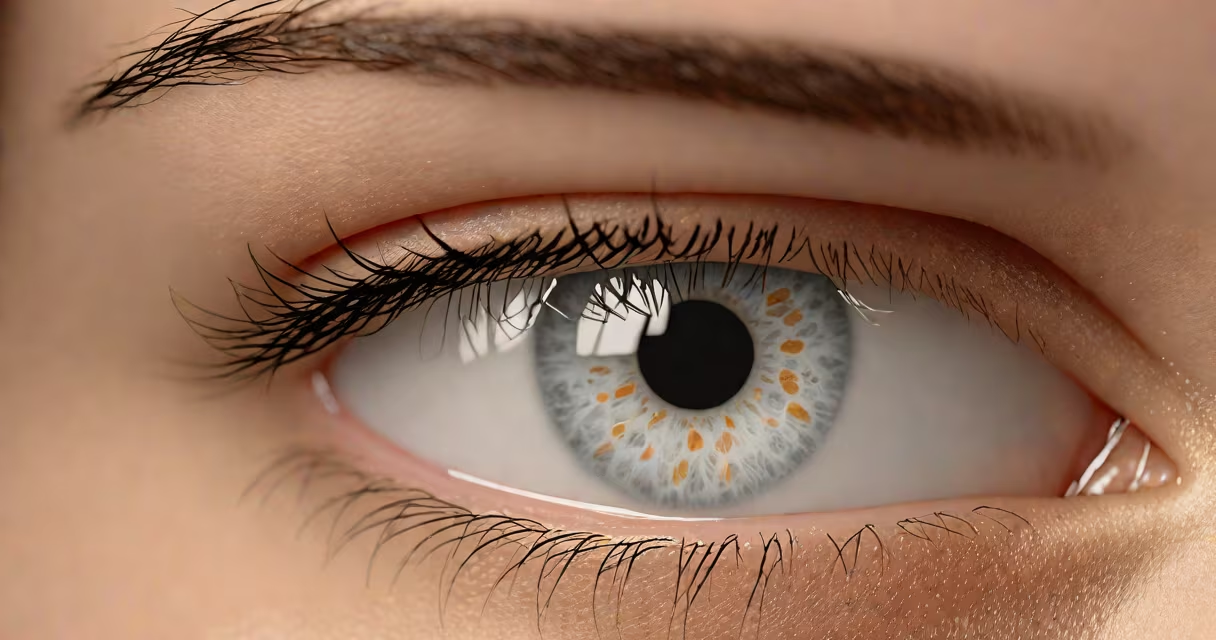
White milia under eyes are small, firm, flesh-colored or white cysts formed when keratin becomes trapped beneath the surface of the skin, typically around the eyelids. They appear as tiny, round bumps that do not contain pus and are not caused by infection.
Milia develop when dead skin cells move into the deeper layers of the epidermis and fail to shed properly. This process leads to the formation of a small, closed sac filled with keratin-a protein naturally produced by the skin. These cysts are most common in areas with thin, delicate skin, such as the eyelids and cheeks, where sebaceous glands are abundant.
Unlike acne or blackheads, white milia under eyes are not inflamed and do not respond to topical treatments meant for oily skin or comedones. They persist unless removed professionally or through consistent exfoliation. They are harmless but may cause cosmetic concern due to their visibility.
The development begins when the outer layer of skin sheds abnormally. Instead of sloughing off, skin cells accumulate and migrate into hair follicles or sweat ducts. As they move deeper, they become trapped and harden into a keratin-filled cyst. The process is often linked to impaired skin turnover, which can result from aging, sun damage, or trauma to the skin.
Individuals with oily skin or those who use heavy facial creams may be more prone to developing milia. However, the condition is not related to poor hygiene. Even people with clean, well-maintained skincare routines can develop them, especially after procedures like chemical peels or laser treatments that disrupt the skin barrier.
A 2021 study published in the Journal of Clinical and Aesthetic Dermatology noted that milia occur in approximately 15% of patients following intense pulsed light therapy, highlighting how skin trauma-even aesthetic-can trigger their appearance.
White milia under eyes fall into two categories: primary and secondary. Primary milia appear spontaneously, often in infants or young adults, and are associated with normal skin development. Secondary milia arise after injury, inflammation, or medical interventions such as burns, rashes, or dermatological treatments.
On the face, milia are usually 1-2 mm in diameter and appear as discrete, round, waxy bumps. They are firm to the touch and do not compress easily. Their color ranges from white to yellowish, depending on the amount of keratin and underlying pigmentation.
| Type | Origin | Common Location | Typical Duration |
|---|---|---|---|
| Primary milia | Spontaneous, no known trigger | Face, especially eyelids and cheeks | Can last months to years without treatment |
| Secondary milia | Following skin trauma, surgery, or medication | Areas of prior injury or inflammation | Often resolves after healing, but may persist |
One non-obvious distinction: milia under eyes are not the same as milia en plaque, a rare, persistent form that appears as larger, thickened patches on the face. Milia en plaque is often misdiagnosed and requires biopsy for confirmation. White milia under eyes are typically isolated and benign.
White milia under eyes are frequently mistaken for other skin issues. They resemble tiny whiteheads (closed comedones), but unlike acne, they lack a central plug of sebum and are not associated with inflammation or redness. They also differ from sebaceous filaments-tiny, dark-colored plugs in pores that are normal and not visible as bumps.
Another frequent mix-up is with xanthelasma, which are yellowish plaques that form on the upper or lower eyelids due to cholesterol deposits. While both appear near the eyes, xanthelasma is soft, flat, and often bilateral. It may signal underlying lipid disorders and requires medical evaluation.
When in doubt, consult a dermatologist. Self-diagnosis based on photos can lead to incorrect treatment. For example, attempting to squeeze milia can cause scarring or infection, especially in the delicate periocular region.
In a clinical review from the American Academy of Dermatology, a 34-year-old woman presented with four small, white bumps along her lower eyelid. She reported no pain or itching. She had recently completed a series of glycolic acid peels for hyperpigmentation. Biopsy confirmed the diagnosis of secondary milia.
After six weeks of avoiding further peels and using a gentle retinol cream (0.025%) twice daily, two of the milia resolved. The remaining two were removed via micro-excision under local anesthesia. No recurrence was observed after 12 months of follow-up.
This case illustrates that while mild cases may improve with consistent exfoliation, professional removal is often necessary for complete resolution, especially when multiple lesions are present.
Over-the-counter products rarely eliminate white milia under eyes. Topical retinoids (like adapalene) may help prevent new ones by increasing cell turnover, but they do not remove existing cysts. Similarly, salicylic acid washes are ineffective because milia are not plugged with oil.
Effective removal requires professional intervention. Common methods include:
At-home remedies such as warm compresses or facial oils do not work. Applying pressure or attempting to pop milia increases the risk of scarring and pigment changes, particularly in individuals with darker skin tones.
One personal observation: during a clinic rotation, I watched a dermatologist extract five milia from a patient's lower eyelid in under ten minutes. The procedure required no anesthesia, and the patient experienced immediate improvement. The skin healed within three days with no marks.
White milia under eyes are not dangerous, but they should be evaluated if they grow, change color, or appear suddenly in large numbers. Sudden onset may indicate an underlying condition such as Darier's disease or autoimmune disorders.
For long-term prevention, avoid heavy occlusive moisturizers around the eyes. Use sunscreen daily-UV exposure accelerates skin aging and impairs turnover. Also, consider consulting a dermatologist before undergoing aggressive skin resurfacing procedures.
Understanding white milia under eyes helps avoid unnecessary anxiety and inappropriate treatment. They are not contagious, not cancerous, and not a sign of poor health. With accurate diagnosis and targeted care, they are manageable and removable.