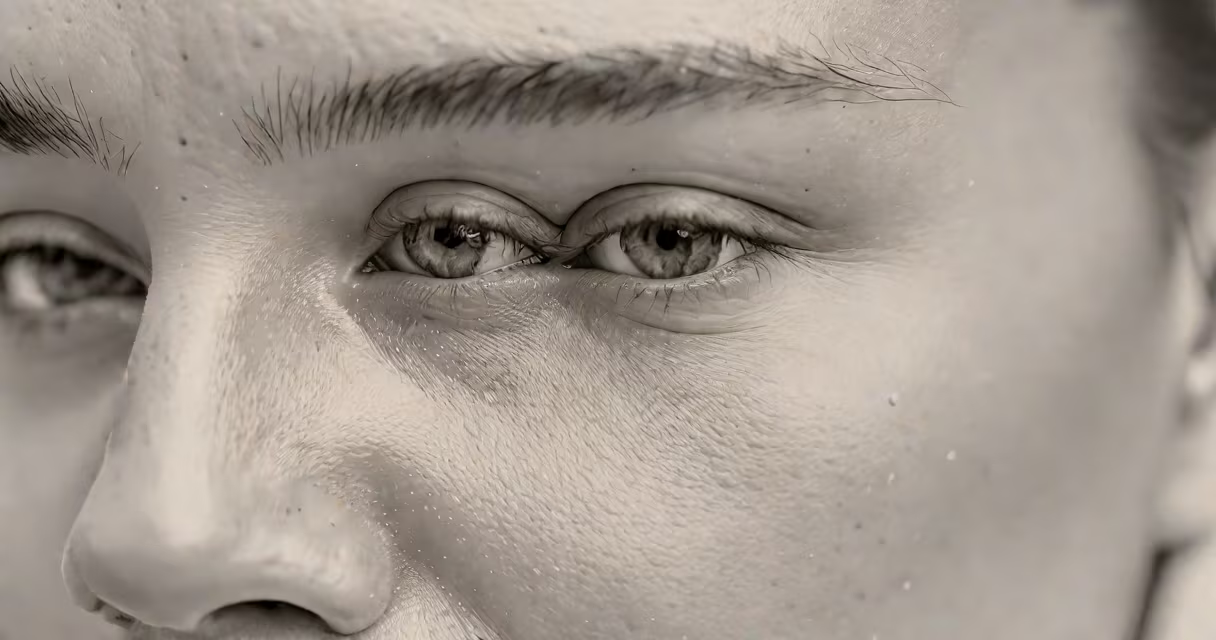
Tiny white bumps on face are small, firm, flesh-colored or white papules formed when keratin becomes trapped beneath the surface of the skin. They typically appear around the eyes, cheeks, and nose, and are medically known as milia. Unlike acne or blackheads, they do not involve inflammation or clogged pores with sebum.
Milia form when dead skin cells move into the upper layer of the epidermis and become stuck. The body cannot shed them, so they accumulate and rise to the surface as small, painless bumps. They are not contagious and do not result from poor hygiene. According to the American Academy of Dermatology, milia affect people of all ages, including newborns and adults, and are especially common in those who use heavy moisturizers or wear makeup regularly.
These bumps are often mistaken for whiteheads or early-stage acne. However, unlike acne, milia lack redness, swelling, or pus. They do not respond to topical treatments like benzoyl peroxide or retinoids. A dermatologist can distinguish them through visual inspection or dermoscopy. In rare cases, persistent milia may signal an underlying condition such as epidermolysis bullosa or autoimmune disorders, but this is uncommon.
Milia develop when keratin, a protein found in skin, hair, and nails, accumulates beneath the skin's surface. This buildup forms a small cyst-like structure sealed off from the environment. The outer layer of skin grows over it, creating a visible bump. The core consists of compacted keratin, not oil or bacteria.
There are two main types: primary and secondary. Primary milia occur spontaneously, usually in infants or young adults. Secondary milia develop after skin trauma, such as burns, rashes, or prolonged use of steroid creams. For example, someone using a potent topical steroid for eczema may develop milia along the treated area months later.
A study published in the Journal of Clinical and Aesthetic Dermatology found that 65% of patients with secondary milia had a history of skin injury or inflammatory conditions. This shows that milia are not simply a cosmetic issue-they're a sign of disrupted skin turnover. The skin's natural shedding process fails, leading to trapped material beneath the surface.
Tiny white bumps most frequently appear on the cheeks, eyelids, and around the nose. They are often symmetrical-present on both sides of the face-and measure between 0.5 mm and 2 mm in diameter. Their color ranges from white to yellowish, depending on how much keratin is packed inside.
They are easily confused with:
One key difference: milia don't change size or disappear with squeezing. Attempting to pop them leads to irritation and potential scarring. In contrast, whiteheads may shrink after extraction, though this risks spreading bacteria.
| Type | Appearance | Size | Common Location | Removal Risk |
|---|---|---|---|---|
| Milia | Small, round, white or flesh-colored | 0.5-2 mm | Eyelids, cheeks, nose | High-can scar if self-extracted |
| Sebaceous filaments | Dark or grayish, narrow | 0.1-0.5 mm | Nose, chin | None-normal skin feature |
| Whiteheads | White or yellowish, slightly raised | 1-3 mm | Chin, forehead | Medium-may lead to inflammation |
While tiny white bumps on face are generally harmless, consult a dermatologist if they persist for more than six months, spread rapidly, or appear in clusters. Persistent milia may indicate a genetic predisposition or hormonal imbalance. In rare cases, they can be associated with conditions like Darier's disease or Bazex syndrome, which affect skin cell growth.
I once observed a patient with hundreds of milia across her face after years of using a high-potency retinoid cream. She believed she was improving her skin, but the product disrupted her skin barrier. After stopping the cream and undergoing professional removal, her skin cleared. This case highlights that even effective skincare ingredients can trigger unwanted side effects when misused.
Professional removal methods include needle extraction, cryotherapy, or laser ablation. These procedures are performed under sterile conditions and carry minimal risk when done correctly. Over-the-counter products claiming to "melt" milia are ineffective and may irritate the skin. The FDA warns against unregulated topical treatments that promise rapid results without clinical evidence.
To reduce the chance of developing tiny white bumps on face, avoid heavy oils and occlusive moisturizers on the face. Use non-comedogenic products labeled "oil-free" or "non-acnegenic." Cleanse gently twice daily with a mild cleanser. Avoid picking or squeezing, which increases the risk of infection and scarring.
For those with recurring milia, a dermatologist may recommend a low-dose topical retinoid like tretinoin 0.025%, which improves skin turnover. A 2021 study in the British Journal of Dermatology showed that consistent use reduced milia recurrence by 40% over six months. However, retinoids can cause dryness and peeling-start slowly and use sunscreen during the day.
Tiny white bumps on face are a benign yet frustrating skin condition. They stem from trapped keratin, not bacteria or excess oil. Understanding their origin prevents misuse of acne treatments and reduces unnecessary anxiety. If they don't resolve on their own, seek medical care-not home remedies.