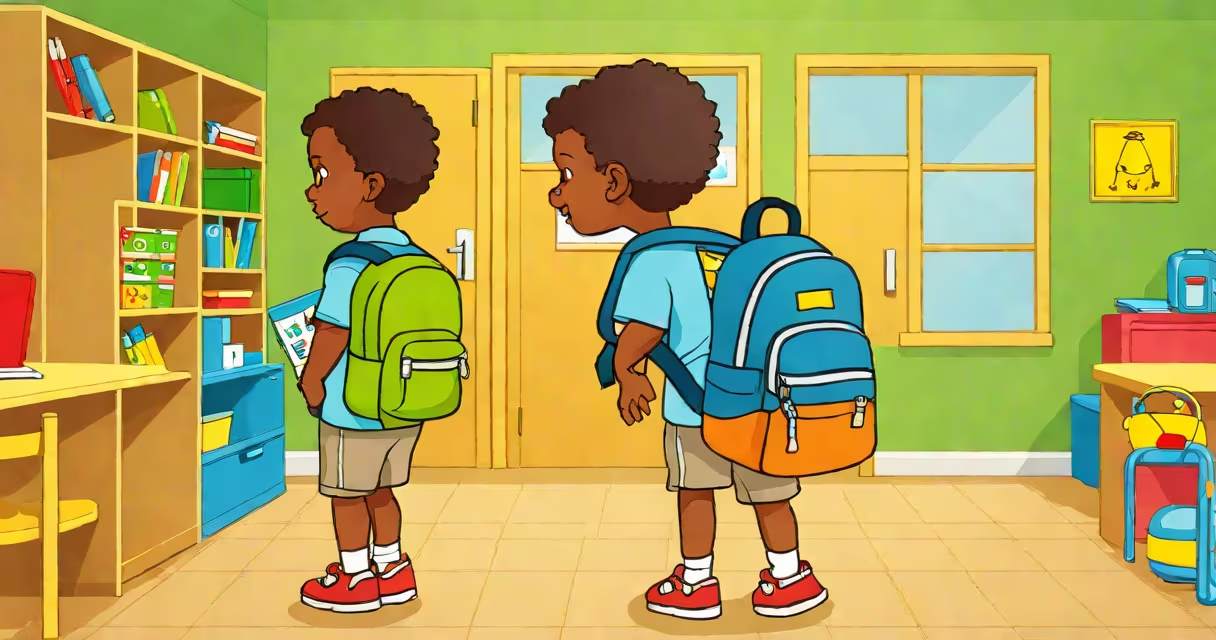
Children typically begin pre-K between ages 3 and 4, depending on state regulations, individual development, and school district policies. Most programs require children to turn 4 by a specific cutoff date, often September 1, though some states allow enrollment at age 3 with parental approval.
Pre-K is a structured early learning program designed to prepare children for kindergarten. It focuses on social-emotional growth, basic literacy and math concepts, and classroom routines. Not all children are ready at the same time, and timing varies based on cognitive, emotional, and physical development.
The National Association for the Education of Young Children (NAEYC) emphasizes that readiness-not just age-is the key factor in determining when a child should enter pre-K. A child who can follow simple instructions, express needs verbally, and participate in group activities is likely prepared. Programs may assess these skills during enrollment screenings.
Each U.S. state sets its own rules for pre-K eligibility. Some offer universal access, while others limit participation to low-income families or children with special needs. The cutoff date for enrollment varies widely.
For example:
These dates are set by state education departments and are not flexible for most families. Parents should contact their local school district or early childhood office to confirm deadlines and available slots.
Age is a guideline, not a rule. A child who turns 4 in January may still struggle with separation anxiety or focus issues. Another child turning 3 in August may demonstrate advanced language skills and independence.
Signs a child is ready for pre-K include:
According to the American Academy of Pediatrics (AAP), children who enter pre-K too early may face higher rates of behavioral challenges and lower academic engagement. Delaying enrollment until a child shows consistent readiness improves long-term outcomes.
Many parents assume that enrolling a child earlier leads to better results. This is not supported by research. A 2021 study published in Child Development found that children who entered pre-K at age 4 showed stronger gains in language and executive function than those who started at age 3, even when both groups were equally motivated.
Another myth is that pre-K is only for children with developmental delays. In reality, pre-K benefits all children by building foundational skills. It's not remedial-it's preparatory.
A third misconception is that private pre-K programs have no standards. While private schools aren't bound by state funding rules, they must meet licensing requirements. The NAEYC accredits programs that meet rigorous standards in curriculum, teacher qualifications, and safety.
The Johnsons had a daughter, Maya, born in November. She turned 3 in December. Her pediatrician noted she spoke in full sentences, played cooperatively with peers, and completed puzzles with minimal help. However, she still cried during drop-offs and struggled to stay seated during storytime.
They applied to two public pre-K programs with cutoffs of September 1 and October 1. Both required assessments. Maya passed the language and motor skills portions but failed the attention span test. The school recommended waiting until she was 4.
They enrolled her in a private pre-K program with a flexible start date in January. By March, Maya was attending full days, participating in circle time, and forming friendships. Her mother reported improved confidence and reduced separation anxiety.
This case illustrates that developmental readiness matters more than calendar age. Waiting for a child to show consistent social and attentional skills led to a smoother transition.
Timing for pre-K depends on a mix of age, developmental milestones, and local policy. Parents should not rely solely on birthdates. Instead, evaluate whether a child can:
State-specific cutoffs are binding. Families must verify deadlines with their school district. If a child is not ready, delaying enrollment by a few months can prevent frustration and improve long-term success.