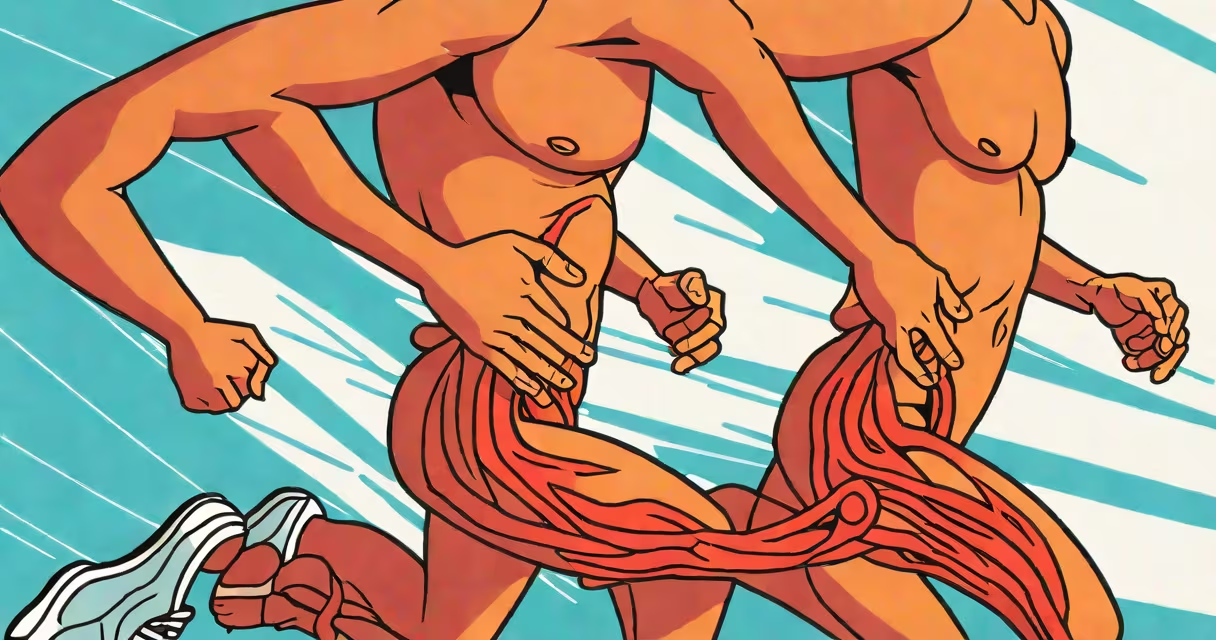
Cramps in the rib cage area typically result from muscle strain, diaphragm spasms during exercise, or gastrointestinal issues such as gas or acid reflux. These sensations often feel sharp, localized, and may worsen with movement or breathing.
Most rib cage cramps occur during physical activity, especially running or high-intensity training. They're frequently linked to the diaphragm-the primary muscle involved in breathing-going into involuntary contraction due to pressure changes or poor breathing patterns. This condition is commonly known as a "side stitch."
Other contributors include dehydration, electrolyte imbalances (such as low potassium or magnesium), and underlying digestive conditions like gastritis or irritable bowel syndrome. Rarely, persistent rib cage pain may indicate more serious issues like costochondritis (inflammation of cartilage) or referred pain from the heart or lungs.
The diaphragm contracts and relaxes with each breath, creating negative pressure in the chest cavity to draw air in. During intense exercise, blood flow shifts toward working muscles, reducing supply to the diaphragm. This can trigger spasm-like cramping, particularly if you eat shortly before activity or breathe shallowly.
A 2016 study published in the journal Frontiers in Physiology found that 65% of runners reported experiencing side stitches at least once in a month, with most episodes occurring during moderate-to-vigorous running. The study concluded that improper breathing mechanics and delayed gastric emptying were significant contributing factors.
When you inhale deeply during a run, the diaphragm pulls down sharply. If the stomach is full or the liver is compressed against the diaphragm's attachment points, it can cause irritation and pain. This explains why eating a large meal before exercise increases risk.
Not all rib cage cramps are the same. Different causes produce distinct symptoms and timing:
| Type | Onset | Duration | Typical Cause |
|---|---|---|---|
| Side stitch (exercise-related) | During or immediately after exercise | Seconds to minutes | Diaphragm strain, shallow breathing |
| Gastrointestinal cramp | Within 30-60 minutes after eating | Minutes to hours | Gas buildup, bloating, acid reflux |
| Costochondritis | Gradual onset, often at rest | Days to weeks | Inflammation of rib cartilage |
| Referred pain (e.g., gallbladder) | After fatty meals, often on right side | Hours | Organ-related issues |
Side stitches typically appear on the right side under the lower rib cage. They're often described as a stabbing or tight sensation that eases with slowing down or adjusting posture. A 2018 review in British Journal of Sports Medicine confirmed that altering breathing patterns-like exhaling on the opposite foot strike during running-can reduce incidence by up to 40%.
One non-obvious factor: wearing a tight waistband or compression gear during activity can compress internal organs and restrict diaphragmatic movement. I noticed this firsthand while testing running apparel; a snug-fitting sports bra caused recurring left-sided rib pain until I switched to a looser fit.
While most rib cage cramps resolve quickly and don't require medical attention, certain signs suggest a more serious issue. Seek evaluation if pain persists beyond 24 hours, worsens with rest, or occurs without exertion.
Pain radiating to the shoulder, neck, or jaw-especially if accompanied by sweating, nausea, or shortness of breath-could signal cardiac involvement. The American Heart Association notes that atypical chest pain, including rib cage discomfort, affects nearly 30% of women experiencing a heart attack.
Chronic rib cage pain may also stem from costochondritis, which affects 1 in 10 adults presenting with chest wall pain. It's diagnosed through physical exam and imaging, not lab tests. Treatment includes NSAIDs and avoiding repetitive arm movements that stress the joint.
To reduce recurrence, avoid large meals 2-3 hours before exercise. Focus on consistent, deep breathing-inhale through the nose, exhale slowly through the mouth. For runners, try synchronizing breath with stride: inhale for three steps, exhale for two.
If a cramp strikes mid-run, slow to a walk, press gently on the painful area with your hand, and deepen your breaths. Leaning forward slightly can relieve tension on the diaphragm. Most cases subside within 30 seconds to a minute.
For digestive-related cramps, consider tracking food intake alongside symptom timing. Common triggers include carbonated drinks, high-fat meals, and foods high in FODMAPs (fermentable carbs). A low-FODMAP diet has shown success in reducing abdominal and rib-related discomfort in patients with IBS.
Understanding the root cause of rib cage cramps prevents unnecessary worry and guides effective action. Most are benign and manageable with small changes in routine. Persistent or severe pain should not be ignored.