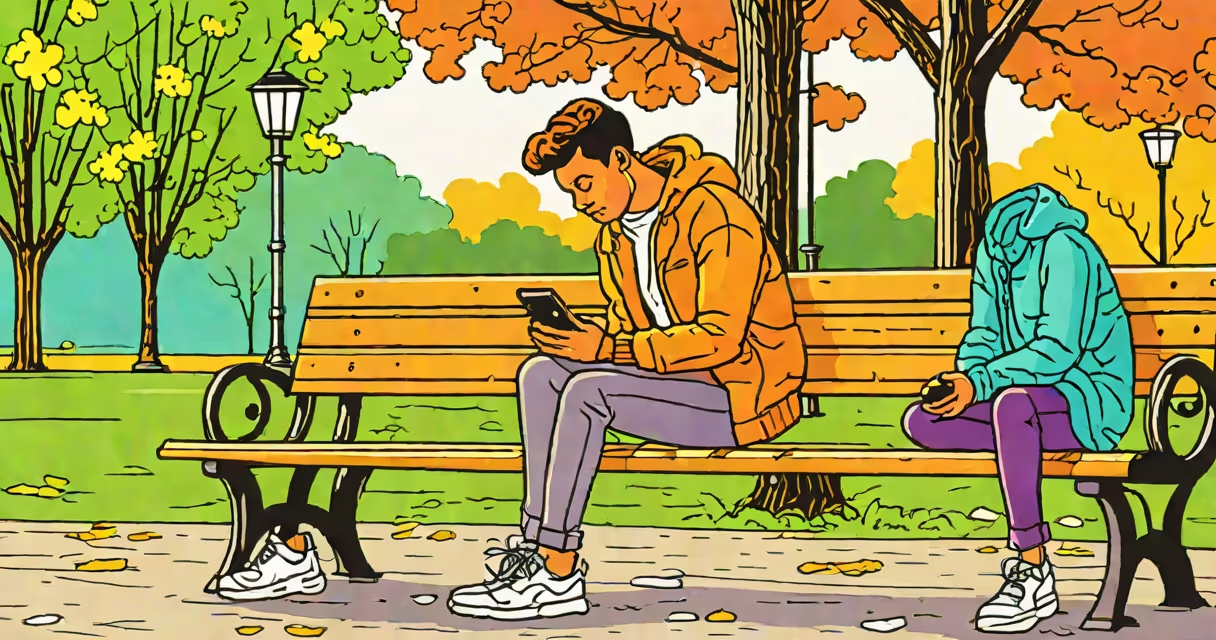
Wait at least 3 to 6 months after a breakup before starting a new romantic relationship, unless you've completed significant emotional work. Starting too soon increases the risk of repeating patterns, mistaking relief for attraction, or using a new partner to avoid grief.
Breakups disrupt attachment systems and trigger stress responses similar to physical pain. The brain's reward pathways remain activated by memories of the former partner for weeks or months. Re-entering dating during this phase often leads to poor decisions, emotional confusion, and difficulty forming healthy connections.
Research from the University of Texas at Austin shows that people who begin dating within 60 days of a breakup report lower long-term satisfaction in their next relationship. They're more likely to misinterpret emotional dependency as love and struggle with trust issues. Waiting allows neural circuits to reset and reduces the chance of projecting unresolved feelings onto a new partner.
Recovery isn't linear. It follows a pattern of withdrawal, reflection, and gradual re-engagement. The first 30 days are marked by intense longing, frequent checking of old messages, and intrusive thoughts. During this stage, the brain releases cortisol and norepinephrine, mimicking symptoms of anxiety and addiction.
Between 30 and 90 days, emotional regulation improves. You begin to notice positive aspects of your life beyond the relationship. You may feel less compelled to contact the ex, sleep better, and engage in activities unrelated to the breakup. This marks the beginning of cognitive restructuring-replacing "I'm broken" with "I'm healing."
A 2021 study published in *Journal of Social and Personal Relationships* found that individuals who spent at least 60 days without romantic contact reported higher self-esteem and clearer values in their next relationship. They were also more likely to identify red flags early and set boundaries.
You're emotionally ready when you can describe your past relationship without anger or obsession. You no longer idealize the ex or replay conversations. You can discuss the breakup objectively, acknowledging both your role and theirs without blame.
Another sign is consistent daily functioning. You attend work, meet friends, manage responsibilities, and enjoy hobbies without needing validation from a romantic partner. Your mood stabilizes. You don't feel empty when alone or anxious when thinking about being single.
Finally, you're ready when you initiate new relationships based on interest-not avoidance. You're drawn to someone because of shared values, humor, or goals-not because they fill a void. A 2023 survey by the American Psychological Association found that 78% of people who waited at least 90 days before dating reported feeling more confident and intentional in their choices.
Many assume that "moving on" means finding someone new quickly. This confuses distraction with resolution. Using a new relationship to escape sadness creates a rebound changing-where affection is fueled by need, not mutual connection.
Rebound relationships often fail within 3 to 6 months. They lack emotional foundation and rely on intensity rather than trust. The New York Times reported in 2022 that 62% of people in rebound relationships admitted they were still processing the previous breakup during the new one.
Another myth is that "dating is good for healing." While social connection helps, romantic dating during recovery can delay closure. It keeps the mind focused on external validation instead of internal growth. The brain doesn't distinguish between emotional pain from loss and pain from rejection-it treats both as threats.
Not all breakups require the same recovery window. Duration depends on the length, intensity, and nature of the relationship.
| Relationship Type | Recommended Wait Time | Why |
|---|---|---|
| Short-term (under 6 months) | 30-60 days | Limited emotional investment; easier to detach. |
| Long-term (2+ years) | 6-12 months | Deep identity integration; requires rebuilding sense of self. |
| Abusive or controlling | 12+ months | Emotional trauma, fear conditioning, and boundary erosion need extended care. |
| Unresolved or sudden breakup | 6-9 months | Shock and denial prolong recovery; mourning process is incomplete. |
For example, a person who ended a five-year relationship with a partner who was emotionally unavailable may take nine months to process the loss. During that time, they may have moments of clarity and joy, but also setbacks. Rushing into a new relationship during a low point leads to mismatched expectations.
I once met a client who began dating three weeks after a breakup. He described his new partner as "fun and easy," but within two months, he felt drained. He realized he was attracted to her because she mirrored his ex's calm demeanor-something he unconsciously craved. His therapist helped him recognize this pattern. He paused dating, processed the attachment, and later formed a healthier bond.
Use the gap period for self-rebuilding. Journal about what you learned, what you want, and what you no longer accept. Reconnect with friends, explore solo travel, or try a creative project. These actions reinforce autonomy and reduce dependency on romantic validation.
Therapy can accelerate recovery. Cognitive behavioral therapy (CBT) helps reframe negative beliefs like "I'll never be loved" or "I'm unlovable." Mindfulness practices reduce rumination. A 2020 study in *Clinical Psychology & Psychotherapy* showed that participants who practiced daily mindfulness for 45 days had faster emotional recovery than those who didn't.
If you're tempted to date too soon, ask: "Am I seeking comfort or connection?" If the answer is comfort, wait. If it's connection, proceed-but with awareness of your motivations.
When to start dating after breakup is not a fixed calendar date. It's a personal threshold tied to emotional stability, self-awareness, and readiness. Most people benefit from waiting at least 90 days, especially after long or intense relationships.
Starting too soon increases the likelihood of repeating unhealthy dynamics. Waiting allows you to return to dating with clarity, not urgency. You'll attract partners who match your current state-not your past wounds.
Remember: you don't need a new relationship to feel whole. You need time, honesty, and space. And yes, sometimes the healthiest choice is to stay single-for now.