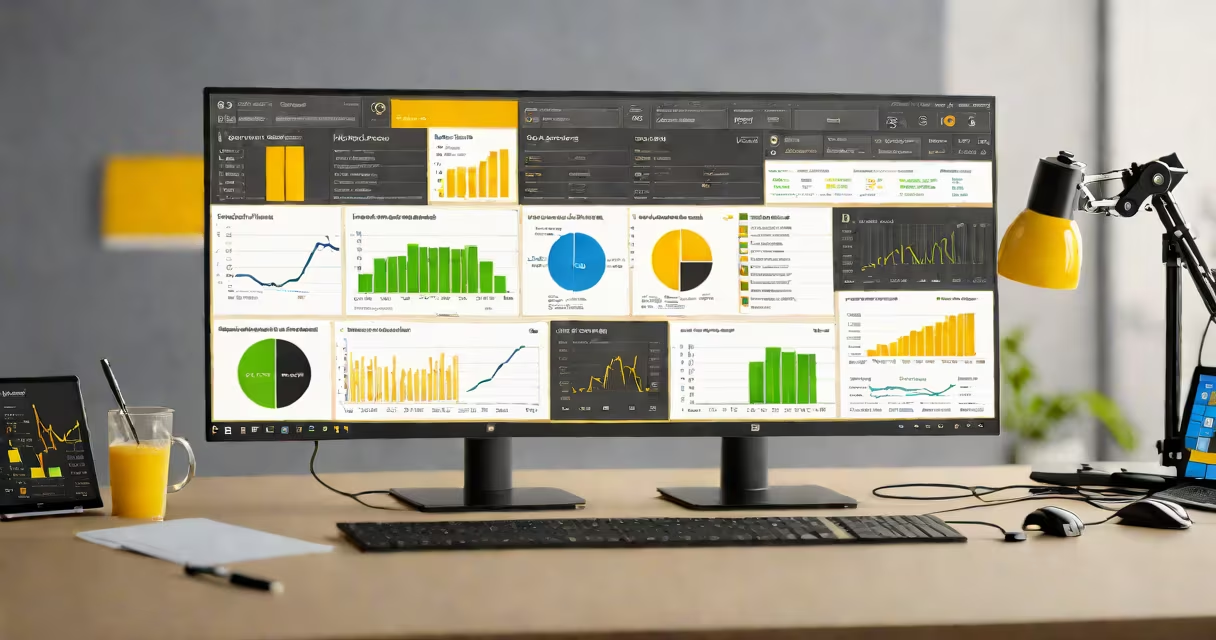
The microsoft power bi certification pl 300, officially titled "Power BI Data Analyst," confirms proficiency in transforming raw data into actionable insights using Power BI tools, DAX, data modeling, and visualization techniques. It is designed for professionals who build reports, create dashboards, and deliver business intelligence solutions.
This certification is part of Microsoft's role-based credential system, targeting individuals who analyze data, design reports, and communicate findings to stakeholders. It requires passing a single exam that tests hands-on skills in Power BI Desktop, Power Query, DAX, and report publishing. The exam is not theory-heavy-it focuses on practical implementation within real-world scenarios.
According to Microsoft's official certification documentation, candidates must demonstrate ability to connect to data sources, clean and change data, model relationships, write effective DAX expressions, and publish interactive reports. The exam includes scenario-based questions that simulate actual work tasks, such as optimizing performance, handling data refresh issues, and applying security roles.
The PL-300 exam assesses real-world application of Power BI features. It is delivered online through Pearson VUE and lasts 120 minutes. Candidates must score at least 700 out of 1000 points to pass. The test includes multiple-choice, drag-and-drop, and case-study formats.
Questions are drawn from four domains: data modeling (25%), data transformation (20%), data visualization (25%), and report and dashboard deployment (30%). Each domain reflects daily responsibilities of a Power BI analyst. For example, under data modeling, candidates may be asked to define many-to-many relationships using bidirectional filtering or implement calculated columns with proper context.
A key requirement is understanding DAX syntax and function behavior. A typical question might ask candidates to write a measure that calculates year-over-year growth across multiple product categories, adjusting for seasonal fluctuations. Incorrect use of context functions like ALL or FILTER leads to inaccurate results-this is a common failure point among test-takers.
The PL-300 exam covers specific tools and workflows used in enterprise analytics. Core components include:
For instance, a candidate might be presented with a dataset containing sales records from 2020-2023 across five regions. They'd need to create a report showing monthly revenue trends, identify top-performing products, and set up a filter that allows users to compare Q1 2023 against Q1 2022. The solution must include a measure that adjusts for inflation using a separate rate table.
Many candidates assume the PL-300 exam is similar to the older Microsoft Certified: Business Intelligence Developer certification. That version focused on SSRS and SSIS, which are unrelated to Power BI. The PL-300 is entirely focused on Power BI's current capabilities and does not cover legacy tools.
Another misconception is that mastering Power BI Desktop alone is enough. The exam includes significant content on Power BI Service-the cloud platform used for sharing reports, managing workspaces, and setting up data refresh schedules. A candidate who hasn't published a report to the service or configured a gateway will struggle with deployment questions.
One non-obvious fact: the exam includes questions on data privacy and governance. Candidates must understand how to apply row-level security (RLS) using roles and filters. For example, a regional manager should only see data for their territory. This is tested via a scenario where a user tries to access a report with restricted data-but the filter logic fails due to incorrect DAX syntax in the role definition.
Microsoft provides a free learning path on Microsoft Learn titled "Prepare for the PL-300 exam." It includes modules on data modeling, DAX, and report deployment. Completing the path earns a digital badge and gives access to practice exams.
Third-party resources like Pluralsight and Udemy offer guided labs. One course includes a full simulation of the exam environment using a virtual machine with Power BI Desktop and Power BI Service. The lab walks through building a complete solution-from importing sales data to deploying a secured dashboard.
I personally took the PL-300 exam after completing a six-week training program at a local community college. The instructor emphasized hands-on practice over memorization. We spent two hours each week building sample reports using real datasets from retail chains. On exam day, I recognized several scenarios from our lab exercises-especially one involving a complex DAX expression to calculate rolling averages across multiple departments.
Power BI certifications exist at different levels. The PL-300 is an associate-level credential. It sits below the expert-level Microsoft Certified: Data Analyst Associate (which includes advanced analytics and AI integration) and above the foundational Power BI Fundamentals certification.
| Level | Focus Area | Target Audience | Prerequisites |
|---|---|---|---|
| Power BI Fundamentals | Basic navigation, visual creation, simple data import | Beginners, non-technical staff | None |
| PL-300 Power BI Data Analyst | Data modeling, DAX, report deployment, security | Analysts, business users, IT staff | Experience with Power BI or equivalent |
| Microsoft Certified: Data Analyst Associate | Advanced DAX, AI insights, integration with Azure services | Senior analysts, data engineers | PL-300 or equivalent |
Each level builds on the last. The PL-300 is the essential stepping stone for those aiming to advance into enterprise analytics roles.
Employers value the PL-300 certification because it verifies hands-on capability. According to LinkedIn's 2023 Workplace Learning Report, job postings requiring Power BI skills increased by 42% year-over-year. Roles like Business Intelligence Analyst, Data Analyst, and Reporting Specialist often list PL-300 as preferred or required.
Salary data from PayScale shows that Power BI analysts with the PL-300 certification earn an average of $87,000 annually in the U.S., compared to $73,000 for those without. The difference reflects employer confidence in validated skills.
After earning the certification, I updated my resume and applied to a mid-sized financial firm. Within two weeks, I was invited for an interview. The hiring manager specifically mentioned the PL-300 as a deciding factor-"It told me you've worked with real data, not just tutorials."