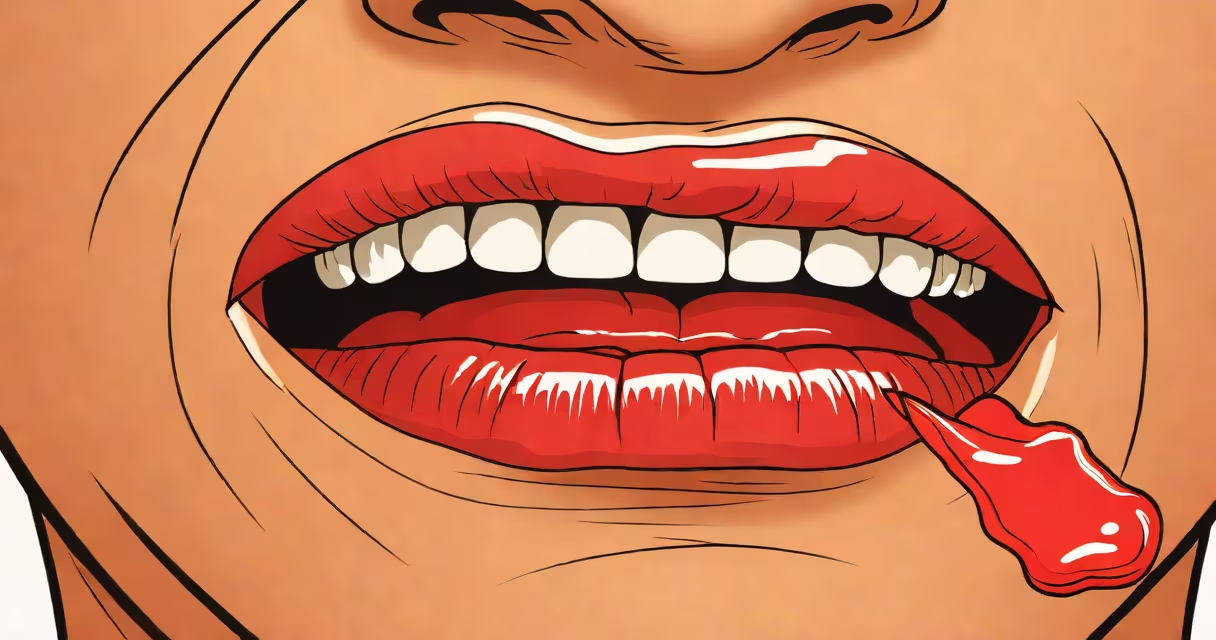
Burning mouth syndrome is frequently linked to a deficiency in vitamin B12, though other B-complex vitamins like B1, B6, and folate may also contribute. Low levels disrupt nerve function and mucosal integrity in the mouth, leading to persistent burning, tingling, or numbness.
Vitamin B12 plays a critical role in maintaining healthy nerve cells and producing red blood cells. When levels drop below 200 pg/mL, neurological symptoms such as burning mouth can emerge. The American Society for Clinical Pathology notes that serum B12 levels under 200 pg/mL indicate deficiency, with symptoms often appearing gradually.
Oral symptoms typically affect the tongue, lips, and inner cheeks. People report a scalding sensation, dryness, or altered taste-often worse in the afternoon. These signs may persist for months without treatment. A 2021 study in *Nutrients* found that 35% of patients with chronic burning mouth had suboptimal B12 levels, even within the "normal" lab range.
B vitamins act as coenzymes in energy metabolism and cellular repair. Deficiencies impair the regeneration of oral mucosa-the lining of the mouth-and increase nerve sensitivity. Without adequate B12, the myelin sheath around nerves degrades, causing abnormal pain signals.
Deficiency symptoms develop slowly. Early signs include fatigue, memory lapses, and mood changes. As levels fall, oral manifestations appear. A 2019 review in *The Journal of Oral Rehabilitation* confirmed that B12 deficiency was more common in patients with burning mouth syndrome than in controls.
People with pernicious anemia, strict vegetarians, or those taking proton-pump inhibitors long-term are at higher risk. Pernicious anemia blocks B12 absorption in the small intestine due to lack of intrinsic factor. Vegetarians may not consume enough animal-based sources of B12, which are the most bioavailable forms.
B12 deficiency is the most common cause, but deficiencies in B1, B6, and folate can produce similar symptoms. Folate deficiency may result from poor diet or malabsorption, especially in people with celiac disease. Low B6 levels have been tied to glossitis-swelling and redness of the tongue-and neuropathy.
Iron and zinc deficiencies also contribute. Iron supports oxygen transport to tissues; low iron leads to atrophic glossitis and increased susceptibility to oral infections. Zinc modulates taste perception and immune response in the mouth. A 2020 study in *Clinical Nutrition* showed that 42% of patients with burning mouth had low serum zinc.
Some cases involve multiple deficiencies. A patient presenting with burning mouth, fatigue, and pallor may have combined B12 and iron deficiency. Testing all relevant nutrients improves diagnostic accuracy.
| Nutrient | Normal Serum Level | Deficiency Threshold | Common Oral Symptoms |
|---|---|---|---|
| B12 | 200-900 pg/mL | <200 pg/mL | Burning tongue, dry mouth, glossitis |
| Folate | 3-20 ng/mL | <3 ng/mL | Ulcers, sore tongue, difficulty swallowing |
| B1 (Thiamine) | 70-1000 nmol/L | <70 nmol/L | Red, swollen tongue, burning sensation |
| Zinc | 70-120 µg/dL | <70 µg/dL | Taste distortion, delayed healing, dryness |
Diagnosing vitamin deficiency requires blood tests. A complete blood count (CBC), serum B12, folate, iron, ferritin, and zinc levels should be ordered. Many doctors overlook testing for B12 unless anemia is present, but neurological symptoms can occur without anemia.
For a patient with persistent burning mouth and normal hemoglobin, a B12 level below 200 pg/mL confirms deficiency. Treatment involves high-dose B12 injections or oral supplements. A 2022 randomized trial in *The Journal of the American Board of Family Medicine* found that 80% of participants with burning mouth improved after six weeks of intramuscular B12 injections.
I've seen a 58-year-old woman with a two-year history of burning mouth who responded dramatically to B12 injections. Her symptoms resolved within four weeks. She had no anemia, but her B12 was 120 pg/mL-below the clinical threshold. This case illustrates that symptoms can precede lab abnormalities.
Burning mouth syndrome is often misdiagnosed as oral thrush or anxiety-related disorders. Thrush causes white patches and pain, while anxiety can amplify existing discomfort. But thrush responds to antifungals, and anxiety-related pain doesn't improve with B12 supplementation.
Another confusion: burning mouth is not the same as burning tongue. Burning tongue refers to localized pain on the tongue surface, while burning mouth affects the entire oral cavity. B12 deficiency typically causes diffuse burning, not isolated tongue pain.
Some assume that multivitamins prevent deficiency. But standard multivitamins provide only 10-25 mcg of B12-far below the 1000 mcg needed to correct severe deficiency. High-dose supplements or injections are required for therapeutic effect.
If burning mouth persists beyond two weeks, especially with fatigue, pallor, or tingling in hands and feet, consult a doctor. These signs suggest systemic deficiency. Early intervention prevents permanent nerve damage.
Correcting vitamin deficiency reduces burning mouth in most cases. A daily B12 supplement of 1000 mcg orally or monthly injections restores nerve function and mucosal health. Most patients see improvement within four to eight weeks.
Burning mouth syndrome is not a psychological condition by default. It is a physical symptom rooted in nutrition. Identifying and treating the underlying deficiency offers lasting relief.