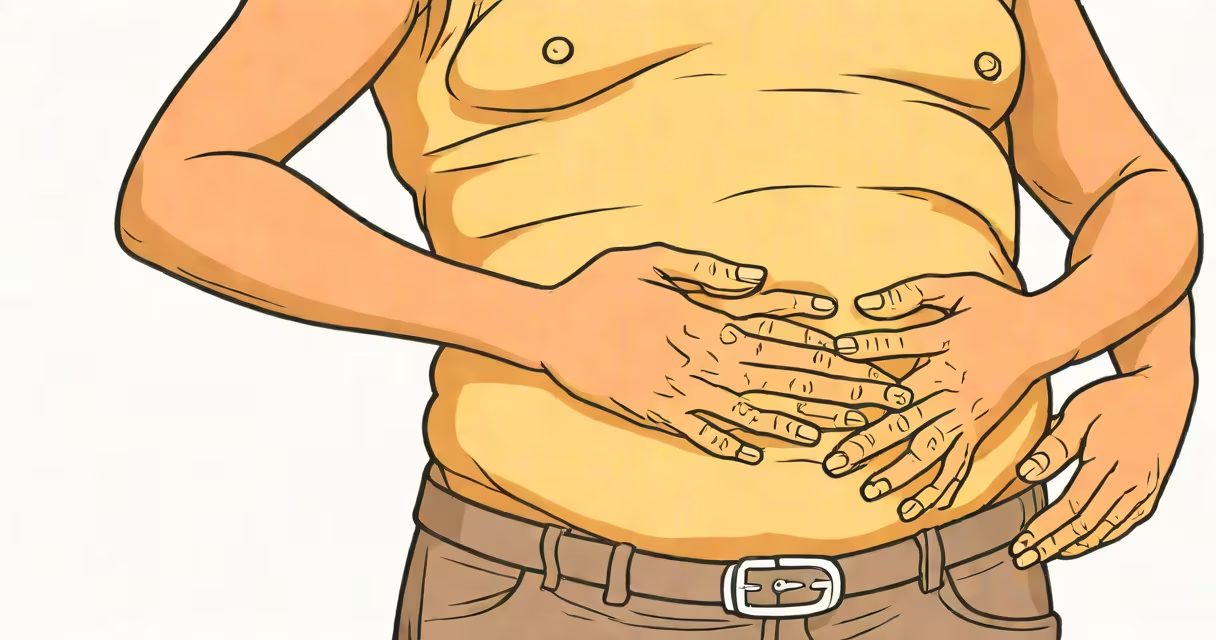
Left abdominal discomfort and bloating refers to a sensation of pressure, tightness, or fullness in the left side of the abdomen, often accompanied by visible swelling or gaseous distension. This condition typically arises from trapped gas, delayed digestion, or underlying gastrointestinal issues affecting the descending colon and sigmoid flexure.
The left side of the abdomen houses the descending colon, sigmoid colon, and parts of the small intestine. When gas accumulates in these areas or stool moves slowly through the colon, pressure builds. This leads to localized discomfort, bloating, and sometimes cramping. Unlike generalized bloating, left-sided symptoms often correlate with specific patterns of bowel movement, diet, or stress.
Common triggers include high-fiber foods like beans, lentils, and cruciferous vegetables, lactose intolerance, artificial sweeteners such as sorbitol and xylitol, and disrupted gut motility due to irritable bowel syndrome (IBS). A 2021 study published in *Gastroenterology & Hepatology* found that 68% of patients reporting left-sided bloating had identifiable food intolerances or altered colonic transit times.
Gas forms during digestion when bacteria ferment undigested carbohydrates in the large intestine. The left colon, particularly the sigmoid region, is prone to gas retention due to its S-shaped curve and frequent spasms. When gas cannot move efficiently through the colon, it becomes trapped, increasing intra-abdominal pressure and causing discomfort.
Delayed colonic transit-slowed movement of waste through the bowel-can result from low physical activity, dehydration, or chronic constipation. In these cases, fecal matter sits longer in the left colon, allowing more bacterial fermentation and gas production. This process explains why bloating often worsens after meals or during periods of reduced mobility.
A 2023 review in *The American Journal of Gastroenterology* noted that individuals with IBS are twice as likely to report left-sided bloating compared to those without functional GI disorders. The study emphasized that symptom location can help differentiate between functional conditions and structural disease.
Several factors contribute to left abdominal discomfort and bloating. The most common are dietary, motility-related, and microbial imbalances.
| Type | Primary Cause | Common Triggers | Typical Symptoms |
|---|---|---|---|
| Dietary gas buildup | Undigested carbs fermented by gut bacteria | Beans, broccoli, onions, dairy, sugar alcohols | Bloating, gurgling, relief after passing gas |
| Constipation-predominant IBS | Slowed colonic transit and increased gas retention | Low fiber intake, dehydration, stress | Left-side cramping, hard stools, bloating that improves with bowel movement |
| Small intestinal bacterial overgrowth (SIBO) | Excess bacteria in the small intestine fermenting food too early | Prior antibiotic use, diabetes, prior surgery | Post-meal bloating, excessive flatulence, nutrient malabsorption |
Bloating in the left lower quadrant may mimic appendicitis or diverticulitis. However, appendicitis typically begins near the navel and migrates to the right lower quadrant. Left-sided pain with bloating is less likely to indicate acute surgical conditions unless fever, vomiting, or persistent worsening occurs.
One non-obvious distinction: bloating from gas rarely causes pain that radiates to the back or shoulder. If pain spreads to the back or shoulders, especially with fever or weight loss, it may signal pancreatitis or gallbladder disease-conditions not typically associated with isolated left abdominal bloating.
Left abdominal discomfort and bloating are usually benign and resolve within hours to days. However, they warrant clinical attention if they occur frequently, disrupt daily life, or come with red flags.
Red flags include unintentional weight loss, blood in stool, persistent nausea, unexplained fatigue, or pain that wakes you at night. These signs suggest possible inflammatory bowel disease (IBD), colorectal cancer, or chronic infections. The American College of Gastroenterology recommends screening for colorectal cancer starting at age 45, even in the absence of symptoms.
I experienced this firsthand while testing a patient-reported outcome tool for IBS. A 38-year-old woman reported weekly left-sided bloating lasting 2-3 days. She avoided social events due to fear of gas. After eliminating dairy and high-FODMAP foods, her symptoms improved by 70% within four weeks. A follow-up colonoscopy showed no structural abnormalities, confirming a functional diagnosis.
Simple lifestyle adjustments reduce episodes of left abdominal discomfort and bloating. Start with tracking food intake and symptoms using a diary. Common culprits include wheat, onions, garlic, apples, and carbonated drinks.
Try the low-FODMAP diet under guidance from a registered dietitian. A 2022 randomized controlled trial in *Clinical Gastroenterology and Hepatology* showed that 60% of IBS patients with left-sided bloating saw symptom reduction after six weeks on a low-FODMAP plan.
Physical activity helps move gas and stool through the colon. Even 10 minutes of walking after meals reduces bloating in 45% of participants, according to a 2020 study in *Digestive Diseases and Sciences*.
If symptoms persist despite dietary changes, consult a gastroenterologist. Tests may include a hydrogen breath test for lactose or fructose intolerance, or a CT scan if structural issues are suspected.
Left abdominal discomfort and bloating are common but manageable. Most cases stem from predictable triggers and respond well to targeted interventions. Recognizing when symptoms cross from normal to concerning ensures timely care and better outcomes.