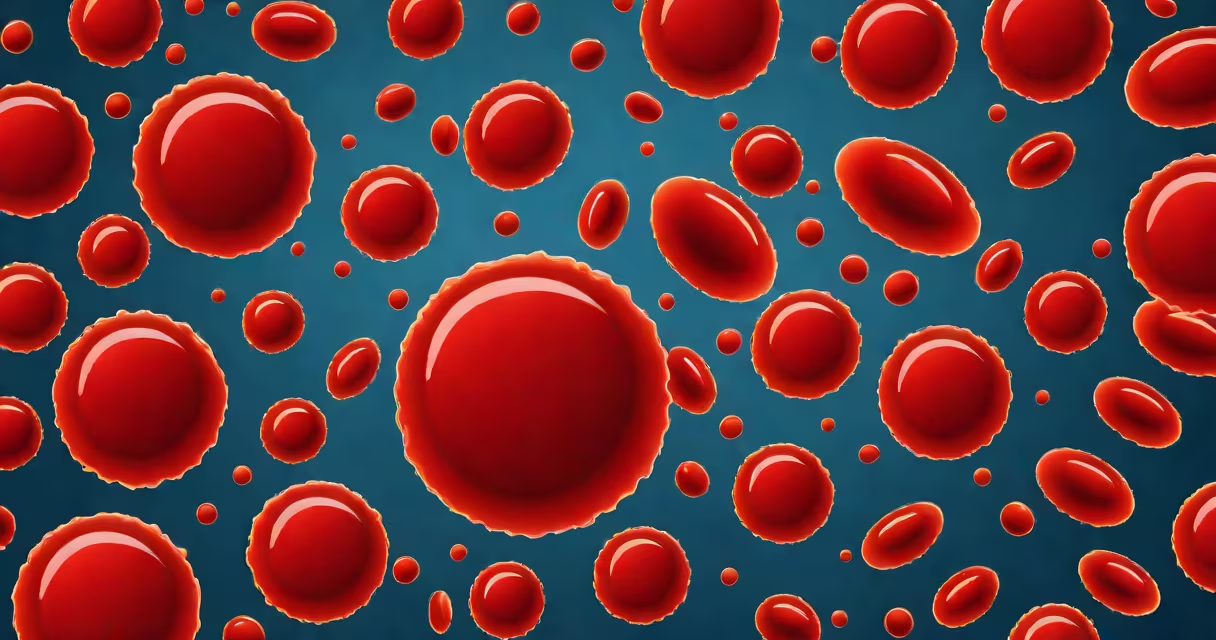
A low red blood cell count occurs when the body produces fewer red blood cells than needed or loses them faster than they can be replaced. This condition reduces oxygen-carrying capacity, leading to fatigue, weakness, and shortness of breath. The medical term for this is anemia, which affects over 3 million people annually in the U.S., according to the Centers for Disease Control and Prevention.
Red blood cells (RBCs) are produced in the bone marrow and rely on iron, vitamin B12, and folate to form properly. When any of these components are insufficient, RBC production drops. Conditions like chronic kidney disease impair erythropoietin hormone release, which signals the bone marrow to make more RBCs. Without adequate stimulation, RBC counts decline.
Common causes include blood loss from injury or heavy menstrual periods, nutritional deficiencies, genetic disorders such as sickle cell anemia, and diseases like cancer or HIV. Infections and autoimmune conditions can also destroy RBCs faster than they're made. A single episode of acute bleeding can drop RBC levels by 10-15% within hours, while long-term iron deficiency may reduce counts by 30% or more over months.
The process begins with a disruption in RBC lifespan or production. Healthy RBCs live about 120 days. When destruction outpaces production, the count falls. Bone marrow failure due to chemotherapy, radiation, or viral infections can halt RBC generation entirely. For example, patients undergoing treatment for leukemia often develop severe anemia because the therapy damages hematopoietic stem cells.
Iron deficiency is the most frequent cause globally. Iron is essential for hemoglobin synthesis-the protein that binds oxygen in RBCs. Without enough iron, RBCs become small and pale (microcytic hypochromic anemia). The World Health Organization estimates that 1.6 billion people worldwide have iron-deficiency anemia, primarily due to inadequate dietary intake or blood loss.
Other mechanisms include impaired vitamin B12 absorption. Pernicious anemia, an autoimmune disorder, prevents the body from absorbing B12 in the ileum. Without B12, DNA replication in developing RBCs fails, leading to large, malformed cells (megaloblastic anemia). This type shows up on blood tests as elevated mean corpuscular volume (MCV).
Low RBC count isn't a single disease-it's a symptom of multiple underlying issues. The table below outlines major categories, their triggers, and diagnostic markers.
| Type | Primary Cause | Key Diagnostic Clue | Prevalence |
|---|---|---|---|
| Iron deficiency | Inadequate dietary iron or chronic blood loss | Low serum ferritin, low MCV | 50% of global anemia cases |
| Pernicious anemia | Autoimmune destruction of intrinsic factor | High methylmalonic acid, low B12 | 0.1% of adults; higher in Northern Europeans |
| Hemolytic anemia | Genetic defects or immune-mediated destruction | High bilirubin, low haptoglobin | Varies by population; common in sickle cell trait carriers |
| Anemia of chronic disease | Chronic inflammation suppressing erythropoiesis | Normal or high ferritin, low transferrin saturation | Found in 30% of hospitalized patients |
One lesser-known contributor is chronic kidney disease. Kidneys produce erythropoietin, a hormone that stimulates RBC formation. As kidney function declines, erythropoietin levels fall. A study published in the New England Journal of Medicine found that 60% of patients with stage 3b or higher CKD had anemia, even without blood loss or nutritional deficits.
Many assume low RBC count is always due to diet. While nutrition plays a role, it's not the sole factor. A person eating a balanced diet can still develop anemia from internal bleeding, such as gastrointestinal ulcers or colon cancer. In fact, undiagnosed GI bleeding accounts for nearly 20% of iron deficiency anemia cases in adults over 50, per the American Gastroenterological Association.
Another myth is that anemia only affects women. Men are equally at risk, especially with hidden blood loss. A 2022 study in the journal Blood reported that men aged 50-70 were more likely to have undetected colorectal cancer linked to iron deficiency anemia than women in the same age group.
Consider a 42-year-old woman presenting with persistent fatigue, dizziness, and cold hands. Her lab results show: hemoglobin 9.2 g/dL (normal: 12-16), hematocrit 28% (normal: 36-48), and MCV 72 fL (low). Ferritin is 8 ng/mL (deficient), and serum iron is 30 µg/dL (low). She reports heavy menstrual bleeding for the past six months.
This profile indicates iron deficiency anemia. The low MCV confirms microcytic cells. Her symptoms align with reduced oxygen delivery. Treatment includes oral iron supplements (ferrous sulfate 325 mg daily) and addressing menstrual blood loss through gynecological evaluation. After eight weeks, her hemoglobin rose to 13.5 g/dL, and she reported renewed energy.
Had her ferritin been normal but B12 low, the diagnosis would have shifted to megaloblastic anemia. The presence of fatigue and neurological symptoms like tingling in hands would have supported that. Always confirm the root cause before treating.
Understanding what makes red blood cell count low involves recognizing that it's rarely about one missing nutrient. It's a systemic issue tied to production, destruction, and supply. This guide explains the terminology behind low RBC levels, including the specific names for different types of anemia based on cell size and cause. Early detection prevents complications like heart strain or cognitive impairment from prolonged oxygen deprivation.