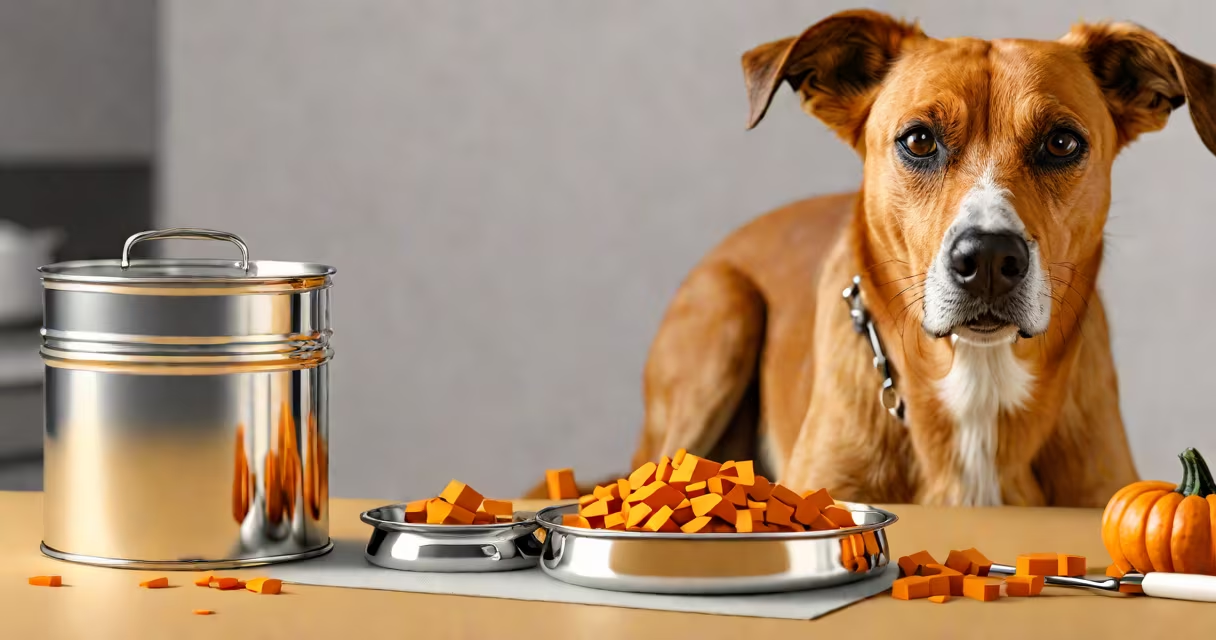
What laxative can I give my dog? Only veterinary-approved options such as lactulose, prescription stool softeners, or plain canned pumpkin-never human laxatives. These can cause serious harm due to differing metabolism and dosage tolerance.
Dogs develop constipation for reasons ranging from dehydration and dietary changes to underlying medical conditions like hypothyroidism or intestinal obstructions. A laxative is not a quick fix. Using the wrong substance risks electrolyte imbalance, diarrhea, or worsening a blockage. The safest path is identifying the root cause through a vet exam.
Human laxatives such as bisacodyl, senna, or magnesium citrate are toxic to dogs. Even small doses can lead to vomiting, seizures, or kidney damage. The American Veterinary Medical Association (AVMA) warns against giving over-the-counter human products to pets without professional guidance.
Laxatives for dogs act by drawing water into the colon, softening stool, or stimulating bowel contractions. They don't work the same way across species. For example, stimulant laxatives like senna trigger colonic muscle spasms in humans but may not produce the same effect in dogs-and can cause severe cramping.
Instead, veterinarians often prescribe osmotic laxatives such as lactulose. This sugar-based compound remains undigested until it reaches the large intestine, where it pulls water in via osmosis. The result is softer, easier-to-pass stool. Lactulose is used off-label in dogs but has a well-documented safety profile when dosed correctly.
A common mistake is assuming "natural" equals "safe." While plain canned pumpkin (not pie filling) is effective and widely recommended, it still requires proper dosing. Too much can cause loose stools or interfere with medication absorption. A typical dose is 1-2 tablespoons per 20 pounds of body weight, once daily.
The following table outlines approved options, their mechanisms, and typical uses.
| Option | How It Works | Dosage Range (Typical) | Use Case |
|---|---|---|---|
| Canned pumpkin (plain) | High fiber adds bulk and moisture | 1-2 tbsp per 20 lbs body weight | Mild constipation, dietary support |
| Lactulose (prescription) | Osmotic agent draws water into colon | 0.5-2 mL per 10 lbs, twice daily | Chronic constipation, megacolon |
| Colace (docusate sodium) | Stool softener; reduces surface tension | 10-20 mg per 10 lbs, once daily | Post-surgical recovery, dry stool |
| Prescription enemas (e.g., glycerin) | Local irritation triggers defecation | Vet-administered only | Severe impaction, under supervision |
One non-obvious fact: lactulose is metabolized by gut bacteria into short-chain fatty acids, which further stimulate bowel movement. This dual action makes it particularly effective for chronic cases. However, it can cause bloating and gas-side effects that usually resolve within 24-48 hours.
Many owners assume that what works for people is safe for dogs. This includes using Miralax (polyethylene glycol), which is sometimes recommended online. But Miralax is not FDA-approved for animals, and long-term use in dogs lacks safety data. The AVMA cautions against off-label use without monitoring.
Another error is confusing constipation with diarrhea. A dog that hasn't pooped in 48 hours may need a laxative-but if they're straining and passing small, hard pellets, it's likely constipation. If they're having frequent loose stools, a laxative worsens dehydration and electrolyte loss. Always assess symptoms first.
I once observed a case where a dog owner gave their 60-pound Labrador a single dose of Dulcolax (bisacodyl) after seeing a viral TikTok video. Within 30 minutes, the dog developed severe abdominal pain and collapsed. Emergency treatment was required. The dog survived but needed IV fluids and hospitalization. This is why direct advice from a vet is essential.
If your dog hasn't defecated in more than 48 hours, especially with signs like lethargy, vomiting, or visible straining, seek immediate care. A physical exam, bloodwork, or imaging may be needed to rule out obstruction, tumors, or neurological issues.
For mild cases, start with hydration and a high-fiber diet. If no improvement in 24 hours, contact your vet. Never exceed recommended dosages. Overuse of any laxative leads to dependency, where the colon stops functioning independently.
What laxative can I give my dog? Only those prescribed or approved by a veterinarian. Safe choices include plain canned pumpkin, lactulose, or docusate sodium. Avoid all human laxatives, including over-the-counter brands and internet-recommended remedies.
Prevention matters more than treatment. Ensure your dog drinks enough water, eats a balanced diet with adequate fiber, and gets regular exercise. Chronic constipation may signal a deeper issue-like hypothyroidism or spinal nerve compression-that requires diagnosis and management.
Always consult your vet before introducing any supplement. What works for one dog may harm another. Your pet's health depends on accurate, individualized care-not online advice.