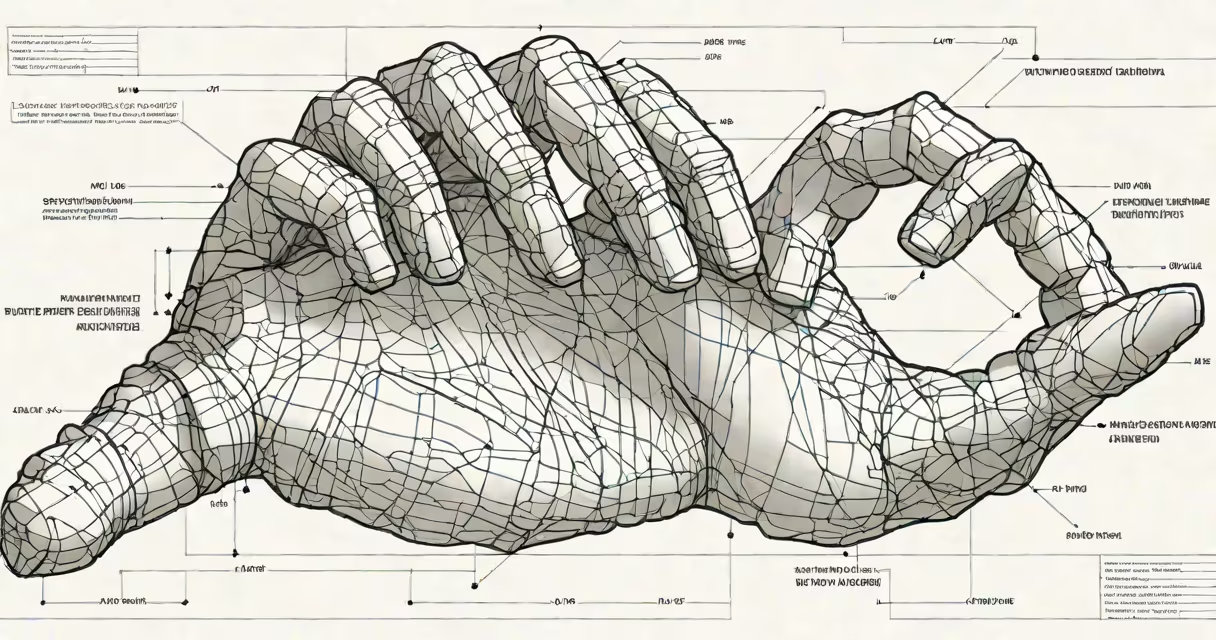
The term "spastic" describes a state of abnormal muscle tightness or stiffness resulting from disrupted signals between the brain and muscles due to nerve damage. It is most commonly associated with neurological conditions such as cerebral palsy, multiple sclerosis, or spinal cord injuries. This condition affects motor control and can lead to exaggerated reflexes and limited range of motion.
Spasticity is not a disease itself but a symptom of underlying neurological dysfunction. It occurs when upper motor neurons-those that carry signals from the brain to the spinal cord-are damaged. This disruption leads to excessive muscle contraction, making movements slow, stiff, or difficult to coordinate. The severity varies widely, from mild stiffness to painful, uncontrollable spasms.
According to the National Institute of Neurological Disorders and Stroke (NINDS), spasticity affects approximately 1 in 1,000 people in the U.S. and is most frequently diagnosed in children with developmental brain disorders or adults who have experienced stroke or trauma. Early recognition and treatment improve long-term mobility and quality of life.
Normal movement relies on a balance between excitatory and inhibitory signals from the central nervous system. When the brain sends commands through upper motor neurons, they normally suppress excessive muscle activity via inhibitory pathways. Damage to these pathways removes that brake, leading to uncontrolled muscle activation.
For example, a person with a spinal cord injury may experience spasticity in their legs because the neural circuitry between the brain and lower limbs is interrupted. Even minor stimuli-like a light touch or sudden change in position-can trigger intense muscle contractions. These responses are automatic and not under voluntary control.
A 2021 study published in *Neurology* found that 60% of individuals with traumatic spinal cord injuries developed moderate to severe spasticity within six months of injury. Without intervention, this can result in joint contractures, chronic pain, and difficulty with daily tasks like walking or dressing.
Spasticity is categorized by location and onset. Common forms include:
| Type | Description | Common Causes |
|---|---|---|
| Monoplegic | Spasticity in one limb | Stroke affecting one side of the brain |
| Paraplegic | Spasticity in both legs | Spinal cord injury at thoracic or lumbar levels |
| Quadriplegic | Spasticity in all four limbs | Cerebral palsy, high cervical spine injury |
Triggers vary by individual but often include fatigue, temperature changes, infections, or emotional stress. A patient with multiple sclerosis reported that cold weather worsened leg spasticity, requiring adjustments in medication and physical therapy routines.
Spasticity should not be confused with rigidity-a different type of muscle stiffness seen in Parkinson's disease. Rigidity involves constant resistance throughout the entire range of motion, while spasticity increases only when movement speed exceeds a threshold, known as the "clasp-knife" phenomenon.
Diagnosis begins with a neurological exam assessing muscle tone, reflexes, and coordination. Doctors use tools like the Modified Ashworth Scale (MAS), which rates spasticity on a 0-4 scale based on resistance during passive movement. A score of 2 indicates noticeable resistance throughout most of the range of motion.
Treatment focuses on reducing symptoms and improving function. First-line interventions include physical therapy, stretching exercises, and splinting. Medications such as baclofen, tizanidine, or diazepam help relax muscles. For severe cases, intrathecal baclofen pumps deliver medication directly into the spinal fluid, reducing systemic side effects.
Surgical options exist too. Selective dorsal rhizotomy-cutting specific sensory nerve roots-has shown success in children with cerebral palsy, reducing spasticity in up to 70% of cases according to a 2019 review in *Developmental Medicine & Child Neurology*.
I once observed a 12-year-old boy with spastic diplegia during a therapy session. His legs tensed dramatically when standing unsupported. After consistent stretching and botulinum toxin injections, his gait improved over eight weeks, allowing him to walk with minimal assistance.
"Spastic" is often misused as a casual insult to describe someone who is awkward or clumsy. This usage is inaccurate and offensive. In clinical contexts, it refers strictly to a physiological condition involving neuromuscular dysfunction. Using it casually erases the lived experience of people managing chronic neurological challenges.
Another misconception is that spasticity always causes pain. While discomfort can occur, many patients report no pain despite significant stiffness. Pain arises from secondary issues-such as joint deformities or skin breakdown-not from the spasticity itself.
Spasticity does not equate to paralysis. Individuals with spasticity may retain partial movement, though it is impaired. The goal of treatment is not elimination but functional improvement-enabling independence in self-care, mobility, and social participation.
Understanding the correct meaning of spastic supports better communication between patients, caregivers, and healthcare providers. It ensures accurate documentation, appropriate care planning, and access to evidence-based treatments.