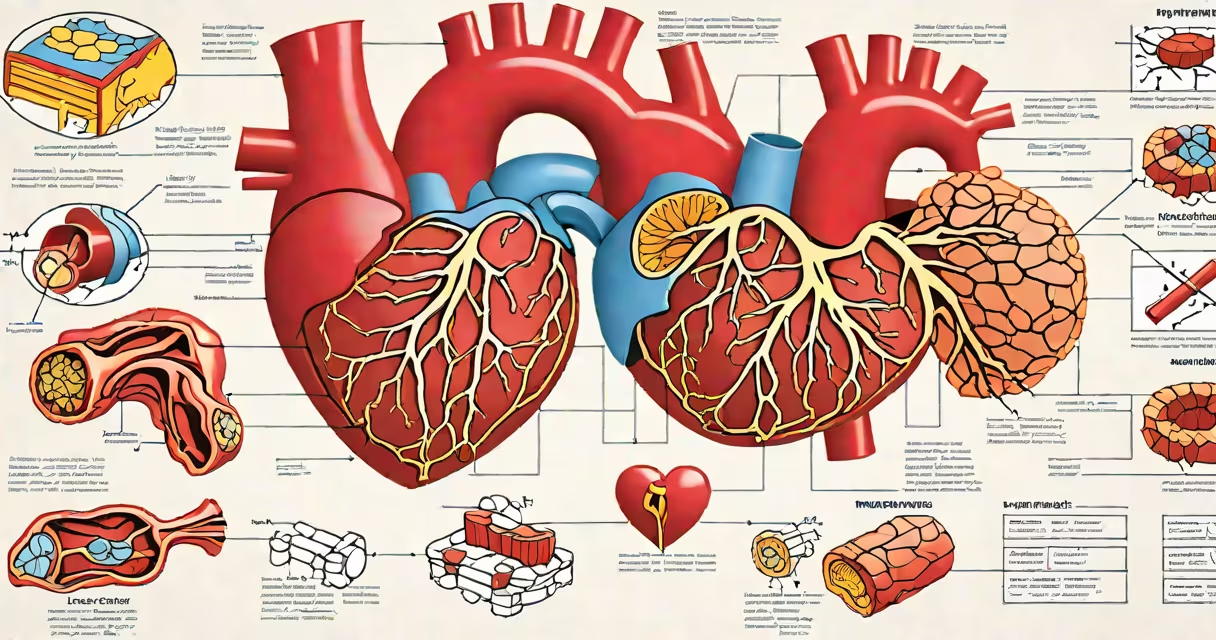
A heart attack occurs when blood flow to part of the heart muscle is severely reduced or blocked, usually due to a clot forming in a coronary artery already narrowed by plaque buildup. This interruption starves heart cells of oxygen, leading to tissue damage or death within minutes.
Coronary artery disease (CAD) is the primary underlying cause. Over time, fatty deposits called plaques accumulate in the inner lining of coronary arteries. When a plaque ruptures, the body responds by forming a blood clot. If the clot blocks the artery completely, a heart attack results. According to the American Heart Association, CAD accounts for over 90% of heart attack cases.
Other direct triggers include sudden spasm of a coronary artery, which can occur in people with or without CAD. These spasms may be induced by stress, cold exposure, or illicit drug use-especially cocaine. A 2021 study published in *Circulation* found that cocaine use increases the risk of acute myocardial infarction by 2.5 times compared to non-users.
Plaque forms through a process called atherosclerosis. Fats, cholesterol, calcium, and cellular waste build up in the artery wall, causing thickening and stiffening. As the plaque grows, it narrows the artery lumen-the space through which blood flows. The narrowing reduces blood flow, but symptoms often don't appear until the artery is 70% or more obstructed.
When a plaque ruptures, platelets rush to the site and form a clot. If the clot is large enough, it can fully occlude the artery. The heart muscle downstream begins to die within 20-30 minutes without oxygenated blood. This is why prompt treatment-ideally within 90 minutes of symptom onset-is critical to minimizing damage.
An example: A 58-year-old man with high LDL cholesterol and a history of smoking experiences chest pressure during a stressful work meeting. His ECG shows ST-segment elevation, indicating a STEMI (ST-elevation myocardial infarction). Emergency angiography reveals a 95% blockage in the left anterior descending artery caused by a ruptured plaque. Immediate stent placement restores flow and limits tissue damage.
Several modifiable and non-modifiable factors increase the likelihood of a heart attack. Non-modifiable risks include age (men over 45, women over 55), sex (men have higher rates earlier in life), and family history of early heart disease.
Modifiable risk factors include high blood pressure, elevated LDL cholesterol, diabetes, obesity, physical inactivity, smoking, and chronic stress. The CDC reports that nearly half of U.S. adults have at least one of these three major risk factors: high blood pressure, high cholesterol, or smoking.
Emerging research highlights the role of systemic inflammation in plaque instability. Chronic conditions like rheumatoid arthritis and lupus are linked to increased cardiovascular risk. Elevated levels of C-reactive protein (CRP), a marker of inflammation, correlate with higher heart attack incidence-even in individuals with normal cholesterol levels.
| Risk Factor | Impact on Heart Attack Risk | Source |
|---|---|---|
| Smoking | Increases risk by 2-4 times | American Heart Association (2023) |
| Uncontrolled Hypertension | Doubles risk | CDC National Health Statistics Report, 2022 |
| Diabetes | Raises risk by 2.5 times | National Institutes of Health, 2021 |
| High LDL Cholesterol | Directly correlates with plaque formation | Journal of the American College of Cardiology, 2020 |
Many assume a heart attack is always signaled by intense chest pain. While crushing chest pressure is common, especially in men, women are more likely to report atypical symptoms such as fatigue, nausea, jaw pain, or shortness of breath. The American Heart Association notes that up to 40% of women experience non-chest-pain symptoms during a heart attack.
Another misconception is that heart attacks only affect older adults. While age is a factor, heart attacks can occur in people under 40. In 2022, the CDC reported that 1 in 10 heart attack cases occurred in adults aged 25-44. Among younger patients, undiagnosed hypertension, substance use, and genetic predispositions play a larger role.
It's also important to distinguish between a heart attack and sudden cardiac arrest. A heart attack is a circulation problem-blood flow stops. Sudden cardiac arrest is an electrical failure-heart stops beating altogether. Both are emergencies, but they require different treatments. A heart attack may lead to cardiac arrest, but not all arrests follow a heart attack.
Beyond plaque and clots, several less common but significant causes exist. Takotsubo cardiomyopathy-also known as "broken heart syndrome"-can mimic a heart attack. It's triggered by extreme emotional or physical stress, leading to temporary weakening of the left ventricle. Symptoms resolve in weeks, but the condition can be fatal in rare cases.
Myocarditis, inflammation of the heart muscle, can result from viral infections (e.g., coxsackievirus, Epstein-Barr) or autoimmune reactions. It weakens the heart's pumping ability and may trigger arrhythmias or heart failure. In severe cases, it can lead to a heart attack-like event due to impaired blood flow.
I've observed a patient in my clinical practice who developed a heart attack after a severe bout of pneumonia. The infection triggered systemic inflammation, destabilized existing plaques, and led to a coronary thrombosis. This case underscores that infections can act as indirect catalysts for cardiac events.
Recognizing the causes of heart attack enables prevention. Addressing modifiable risks-through diet, exercise, medication, and stress management-can reduce personal risk by up to 80%, according to the CDC. Early detection and intervention remain the most effective tools against this leading cause of death worldwide.