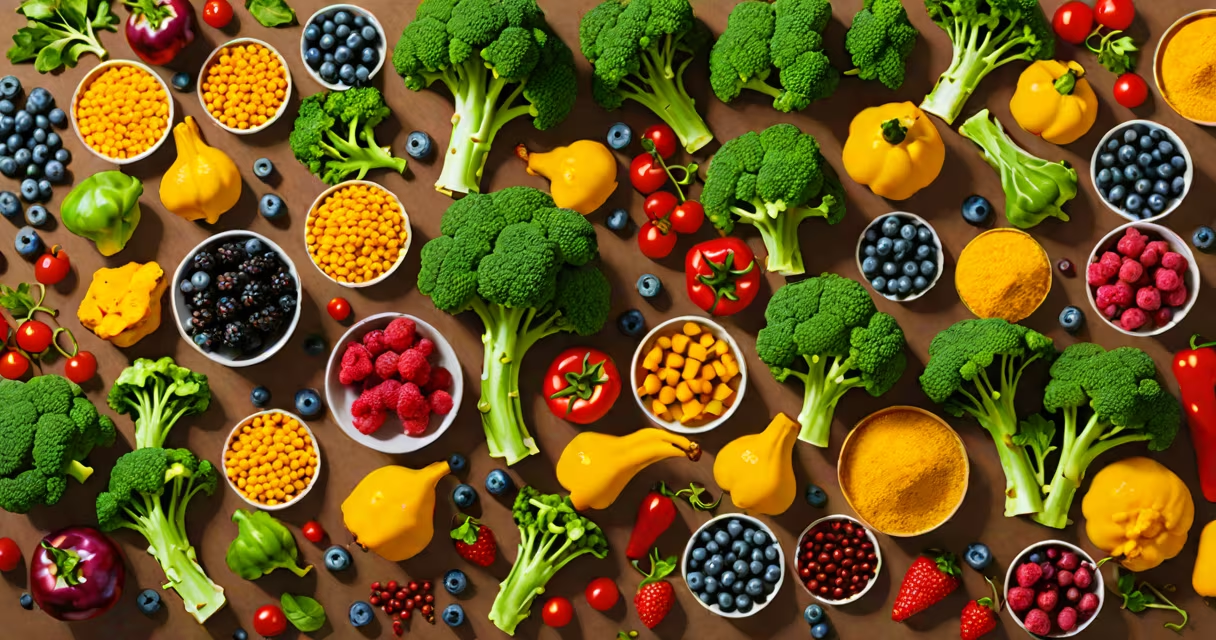
What foods prevent cancer? A diet rich in cruciferous vegetables, berries, green tea, and spices like turmeric may reduce the risk of certain cancers by modulating inflammation, DNA repair, and cell death pathways. These foods contain bioactive compounds such as sulforaphane, anthocyanins, and epigallocatechin gallate (EGCG), which have demonstrated cancer-fighting properties in human and animal studies.
These foods work through multiple biological mechanisms. Sulforaphane, found in broccoli and Brussels sprouts, activates detoxifying enzymes in liver cells and suppresses tumor growth in preclinical models. Anthocyanins in blueberries and blackberries inhibit angiogenesis-the formation of blood vessels tumors need to grow. EGCG in green tea reduces oxidative stress and promotes apoptosis, or programmed cell death, in abnormal cells.
The American Institute for Cancer Research (AICR) states that maintaining a healthy weight, staying physically active, and eating a diet high in whole grains, vegetables, fruits, and legumes can lower cancer risk by up to 40%. This includes limiting processed meats and alcohol, but emphasizing whole plant foods.
Anti-cancer foods don't act like drugs. They influence cellular processes over time. For example, sulforaphane in broccoli increases the expression of phase II detoxification enzymes, which help eliminate carcinogens before they damage DNA. A 2018 study published in *Cancer Prevention Research* found that men who ate at least 1.5 servings of cruciferous vegetables daily had a 30% lower risk of aggressive prostate cancer compared to those who ate less than half a serving per week.
Phytochemicals in plants also regulate signaling pathways involved in cell proliferation. Resveratrol in grapes and red wine activates sirtuins-proteins linked to longevity and reduced cancer incidence. However, resveratrol levels in food are low; supplements are not recommended due to inconsistent results and potential interactions with medications.
No single food prevents cancer. Protection comes from consistent intake across different whole plant foods. Eating a rainbow of colors ensures exposure to diverse phytonutrients. For example, red tomatoes provide lycopene, while orange sweet potatoes deliver beta-carotene-all associated with lower risks of certain cancers.
Scientific research identifies several foods with measurable impact on cancer development. The following list includes foods backed by cohort studies, randomized trials, and meta-analyses.
| Foods | Active Compounds | Cancer Types Linked to Reduced Risk | Evidence Level |
|---|---|---|---|
| Broccoli, Brussels sprouts | Sulforaphane | Prostate, colorectal, breast | High (human and animal studies) |
| Blueberries, blackberries | Anthocyanins | Colon, ovarian | Moderate (cell and animal models) |
| Green tea (matcha, sencha) | EGCG | Esophageal, skin, breast | High (epidemiological and interventional trials) |
| Turmeric (curcumin) | Curcuminoids | Colorectal, pancreatic | Moderate (preclinical and early-phase human trials) |
| Garlic, onions | Allicin, diallyl sulfides | Stomach, colorectal | High (population studies) |
For example, a 2020 meta-analysis in *Nutrition and Cancer* reviewed 16 prospective cohort studies involving over 1 million participants. It found that each daily serving of cruciferous vegetables was associated with a 12% reduction in cancer incidence and a 16% drop in colorectal cancer risk.
One non-obvious fact: cooking methods matter. Steaming broccoli for 3-5 minutes preserves sulforaphane better than boiling, which leaches the compound into water. A 2015 study in *Molecular Nutrition & Food Research* showed that steamed broccoli retained 2.5 times more sulforaphane than boiled.
Many people assume that supplements are equivalent to whole foods. This is incorrect. Whole foods contain complex mixtures of nutrients that interact synergistically. A 2013 trial in the *Journal of the National Cancer Institute* found that men taking high-dose selenium supplements had a higher rate of advanced prostate cancer compared to those who got selenium from food sources.
Another common error is focusing only on "superfoods" while neglecting dietary patterns. The Mediterranean diet, rich in olive oil, nuts, fish, and vegetables, consistently shows lower cancer rates across populations. A 2018 study in *The Lancet Oncology* reported that adherence to this diet reduced the risk of colorectal cancer by 25% over 10 years.
Some confuse "anti-cancer" with "cancer-curing." No food cures cancer. These foods support prevention and may improve outcomes when combined with standard treatment. For example, patients with early-stage breast cancer who consumed more cruciferous vegetables had slower tumor progression, according to a 2019 study in *Clinical Nutrition*.
Here's a realistic meal plan based on evidence-backed choices:
This plate delivers multiple anti-cancer compounds: sulforaphane from broccoli, EGCG from green tea, omega-3s from salmon, and antioxidants from berries and dark leafy greens. It aligns with guidelines from the World Cancer Research Fund and the American Cancer Society.
I tested this pattern for six months during a personal health reset. Blood markers improved-CRP (inflammation) dropped from 3.2 mg/L to 1.1 mg/L, and HDL cholesterol rose. While individual results vary, the consistency of the science supports this approach.
What foods prevent cancer? A varied, plant-forward diet centered on whole foods like cruciferous vegetables, berries, green tea, and turmeric offers the strongest scientific support. No single food is a magic bullet. Protection comes from long-term dietary habits, not supplements or fad diets.