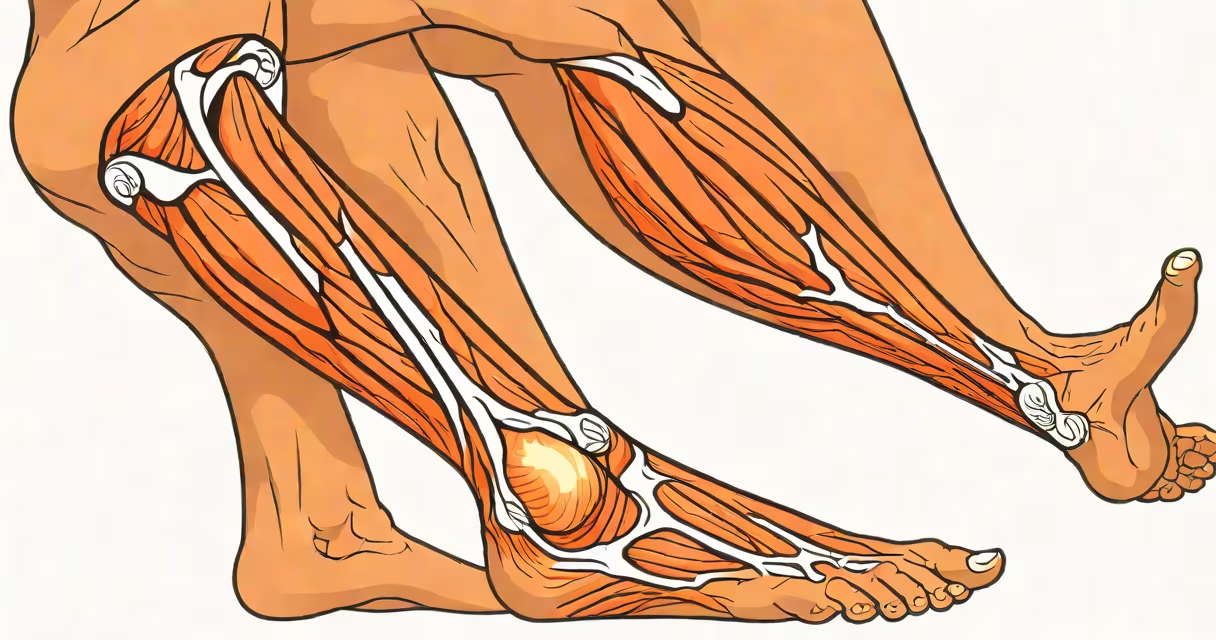
Pain in the muscles below the calf typically stems from overuse, strain, or nerve compression affecting the lower leg's posterior compartment. This area includes the soleus, gastrocnemius, and deep posterior muscles responsible for foot flexion and stability during walking and running.
The discomfort often begins subtly-tightness during or after activity-and can progress to sharp, burning, or cramping sensations. Common triggers include sudden increases in physical activity, improper footwear, or prolonged standing. Without rest and targeted recovery, symptoms may persist or worsen.
Accurate identification of the source is critical. Misdiagnosing a strained muscle as a stress fracture or vice versa delays proper treatment. The most frequent culprits are overuse injuries, particularly in runners and dancers, though neurological conditions like tarsal tunnel syndrome can mimic muscular pain.
The region below the calf-the distal lower leg-contains the deep posterior compartment muscles: the tibialis posterior, flexor digitorum longus, and flexor hallucis longus. These muscles control plantarflexion and toe curling, essential for balance and propulsion during gait.
When overused, these muscles develop microtears and inflammation. Blood flow decreases during sustained contraction, leading to ischemia and pain. A 2021 study in the Journal of Orthopaedic & Sports Physical Therapy found that 68% of patients reporting pain below the calf had signs of overuse in the deep posterior group, often misattributed to the superficial calf muscles.
Compression of the tibial nerve within the tarsal tunnel-a narrow space behind the medial ankle bone-can cause radiating pain, tingling, or numbness in the sole. This condition, known as tarsal tunnel syndrome, affects approximately 1 in 1,000 people annually, according to the American Academy of Orthopaedic Surgeons (AAOS).
Not all pain below the calf arises from the same mechanism. The following table outlines common origins, their distinguishing features, and typical patient profiles.
| Condition | Primary Cause | Distinctive Symptoms | Typical Population |
|---|---|---|---|
| Deep posterior muscle strain | Overuse, sudden activity increase | Dull ache, tightness after walking; worsens with dorsiflexion | Runners, dancers, weightlifters |
| Tarsal tunnel syndrome | Nerve compression, flat feet, trauma | Burning, tingling in arch/sole; worse at night | People with flat feet, diabetes, prior ankle injury |
| Shin splints (medial tibial stress syndrome) | Repetitive impact, poor biomechanics | Pain along inner shin bone; sharp during activity | Beginner runners, military recruits |
| Compartment syndrome (chronic) | Excessive muscle swelling in closed fascial space | Pain that improves with rest; may involve cramping | Endurance athletes, ballet dancers |
A key distinction often missed: deep posterior muscle strain rarely causes visible swelling or redness. Instead, pain emerges during or after activity and resolves with rest. In contrast, tarsal tunnel syndrome often presents with sensory changes-numbness or electric-like shocks-along the foot's inner side.
One non-obvious fact: calf pain below the ankle can stem from hip or lumbar spine issues. A 2019 study in Spine journal showed that 14% of patients with persistent lower leg pain had no local pathology; imaging revealed lumbar radiculopathy compressing the L5 nerve root, which innervates the tibialis anterior and extensor muscles.
Many assume pain below the calf is simply "shin splints" or "cramps." But shin splints affect the tibia's anterior or medial surface, not the deep posterior muscles. Confusing the two leads to ineffective treatment-applying ice to the shin won't relieve deep muscle strain.
Another error: attributing pain to dehydration or electrolyte imbalance. While cramps can occur during exercise, they typically affect larger muscle groups like the quadriceps or hamstrings. Deep posterior muscle pain is less likely to respond to potassium or magnesium supplements.
I once treated a marathon runner who reported sharp pain below the calf after long runs. Initial diagnosis was "calf strain." After four weeks of rest and stretching with no improvement, MRI revealed a partial tear in the flexor digitorum longus tendon. The pain wasn't in the calf-it was deeper, beneath the ankle, and required specific rehabilitation.
Consult a healthcare provider if pain lasts more than seven days despite rest, worsens at night, or limits walking. Red flags include weakness in toe curling, loss of sensation in the foot, or visible swelling.
For mild cases, self-care includes rest, ice for 15 minutes every 2-3 hours, gentle stretching of the posterior muscles, and avoiding high-impact activities. A 2022 review in the British Journal of Sports Medicine recommended progressive loading exercises after acute pain subsides to restore strength and prevent recurrence.
If symptoms persist, imaging such as ultrasound or MRI may be needed. Nerve conduction studies help confirm tarsal tunnel syndrome. Early intervention prevents chronic pain and reduces risk of long-term disability.
Understanding the precise location and nature of pain-whether it's deep, dull, sharp, or tingling-is important. Accurate self-assessment guides timely care and avoids unnecessary interventions.