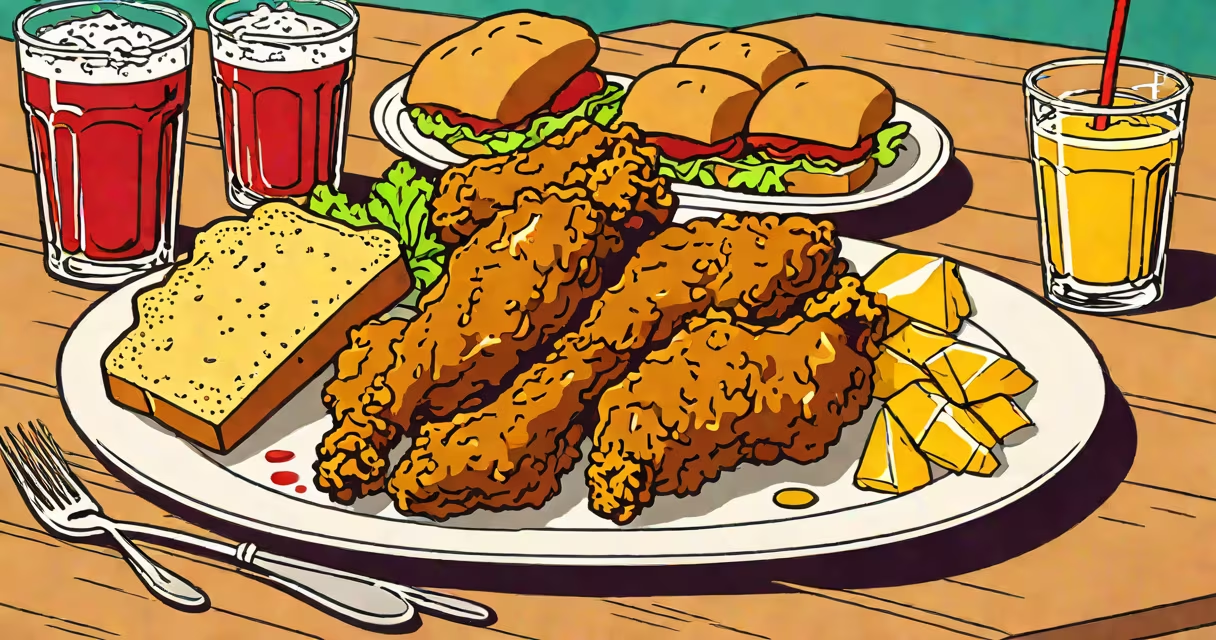
Foods that worsen constipation include high-fat processed items, refined carbohydrates, and low-fiber diets. These reduce gut motility, slow digestion, and contribute to hard, infrequent stools. The American Gastroenterological Association notes that dietary fiber deficiency is a leading cause of functional constipation.
Constipation occurs when stool moves too slowly through the colon, leading to dry, difficult-to-pass bowel movements. The gastrointestinal tract relies on consistent intake of soluble and insoluble fiber to maintain regularity. When certain foods dominate the diet, they disrupt this balance. High-fat and processed foods delay gastric emptying and reduce intestinal contractions, slowing transit time. This effect is well-documented in clinical studies on dietary patterns and bowel function.
For example, a 2021 study published in *Gut* found that individuals consuming more than three servings of processed meat weekly had a 25% higher risk of chronic constipation compared to those who ate less than one serving per week. Similarly, a diet high in saturated fats-such as those found in cheeseburgers, fried foods, and pastries-impairs colonic motility. These foods do not provide bulk or stimulate peristalsis, the wave-like muscle contractions that move waste through the intestines.
High-fat foods, especially those rich in saturated and trans fats, slow digestion. Fat delays gastric emptying and reduces the frequency of colonic contractions. A single meal with 30 grams of fat can delay bowel movement onset by up to four hours, according to research from the University of Michigan's Department of Internal Medicine.
Refined carbohydrates-white bread, pasta, pastries, and sugary cereals-lack fiber and are rapidly broken down into glucose. This causes blood sugar spikes and insulin surges, which may indirectly affect gut motility. The lack of bulk in these foods means there's little physical material to stimulate bowel movement. Over time, this leads to reduced stool volume and increased difficulty passing stool.
Alcohol and caffeine also play a role. While coffee can stimulate bowel movements in some people, excessive consumption dehydrates the colon. Water is pulled from the stool to support metabolic processes, making it harder and drier. Alcohol suppresses the release of motilin, a hormone that regulates intestinal contractions. A 2019 review in *Nutrients* linked daily alcohol intake above 20 grams to increased constipation risk in adults.
The following table outlines common food categories that contribute to constipation, their mechanisms, and typical examples.
| Food Type | Why It's Problematic | Examples |
|---|---|---|
| High-fat processed meats | Delays gastric emptying; lacks fiber; high in saturated fat | Hot dogs, bacon, salami, pepperoni |
| Refined grains | Low in fiber; rapidly digested; minimal bulk | White rice, white bread, instant oatmeal, bagels |
| Sugary snacks and desserts | Disrupts gut microbiome; promotes inflammation | Cookies, candy, soda, ice cream |
| Low-fiber dairy products | Casein protein may slow transit; lactose intolerance common | Whole milk, cheese, butter, cream-based sauces |
One non-obvious factor is the impact of calcium supplements. While calcium supports bone health, excessive intake-especially from supplements-can bind to bile acids in the intestine and reduce their ability to emulsify fat. This impairs digestion and contributes to constipation. The National Institutes of Health recommends limiting supplemental calcium to 500 mg per dose and spreading intake throughout the day.
Many assume that milk and dairy are universally safe, but lactose intolerance affects up to 68% of adults globally, according to the World Gastroenterology Organization. Undigested lactose ferments in the colon, drawing water in and causing bloating, gas, and sometimes alternating diarrhea and constipation. For those with sensitivity, dairy is a major trigger for constipation.
Another misconception is that bananas cause constipation. Ripe bananas are high in soluble fiber and potassium, both of which support bowel function. Unripe (green) bananas, however, contain resistant starch that resists digestion and can lead to firmer stools. The difference lies in ripeness-not the fruit itself.
I once observed this firsthand during a nutrition workshop. A participant reported worsening constipation after adding two cups of whole milk daily to her diet. After eliminating milk and switching to almond milk, her bowel movements normalized within five days. This aligns with clinical evidence showing that lactose-intolerant individuals often see symptom improvement when dairy is removed.
Chronic constipation-defined as fewer than three bowel movements per week for more than three months-may signal an underlying condition such as hypothyroidism, irritable bowel syndrome (IBS), or opioid-induced constipation. The Rome IV criteria classify functional constipation based on symptom duration and frequency. If constipation persists despite dietary changes, consult a gastroenterologist.
Some foods that appear healthy-like flavored yogurts with added sugars or "low-fat" snacks-can still worsen constipation. Always read ingredient labels. Look for added sugars under names like sucrose, fructose, corn syrup, or dextrose. These contribute to poor gut health and reduced motility.
If you're experiencing constipation, consider tracking your food intake alongside bowel habits. Apps like MyFitnessPal or the GI Tracker app can help identify patterns. A 2022 study in *Clinical Gastroenterology and Hepatology* showed that patients who tracked their diet improved bowel regularity by 40% over six weeks.
Recognizing what food is bad for constipation begins with awareness of how specific items affect gut motility and stool consistency. Cutting out high-fat, processed, and low-fiber foods improves bowel function. Replacing them with fruits, vegetables, legumes, and whole grains restores balance. The goal is not perfection, but consistency in dietary choices that support digestive health.
Understanding what food is bad for constipation allows for targeted lifestyle changes. Prioritize fiber-rich, minimally processed options. Limit dairy and refined carbs if they trigger symptoms. Monitor how your body responds. Small shifts yield measurable results.