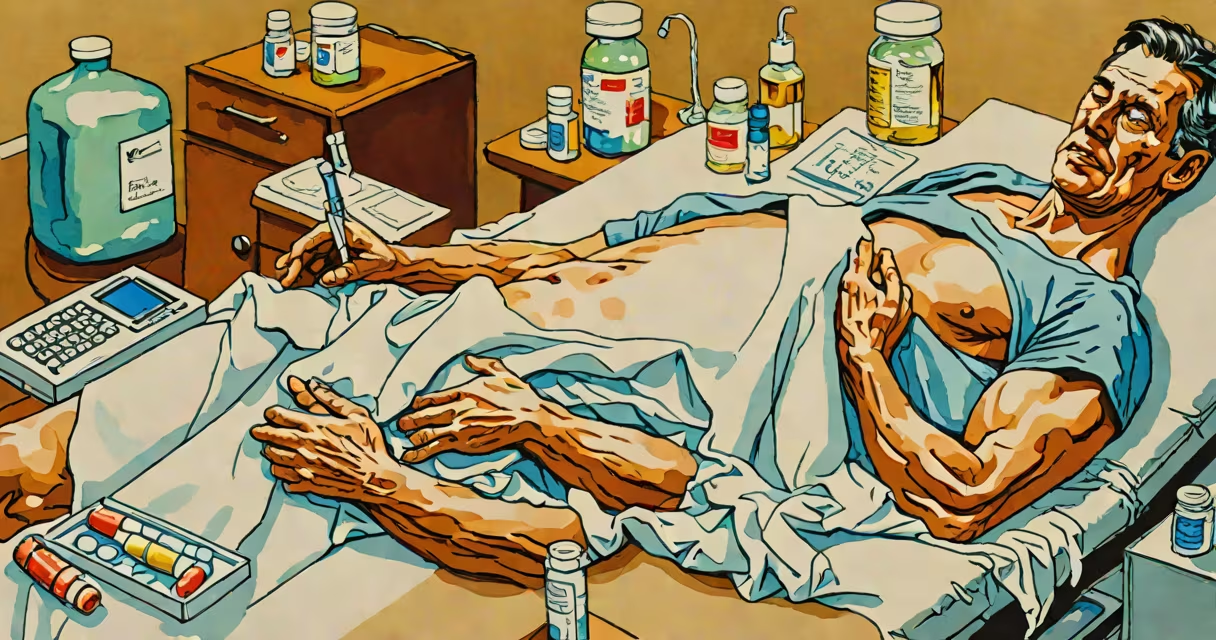
A muscle relaxer after surgery is a prescription medication used to reduce muscle spasms, tightness, and pain following surgical procedures, especially those involving the spine, joints, or abdominal area. These drugs act on the central nervous system to calm overactive muscles and improve comfort during early recovery.
These medications are not general painkillers. They specifically target neuromuscular activity. Common types include cyclobenzaprine, baclofen, and tizanidine. They are typically prescribed for short-term use-three to five days-to manage acute muscle tension caused by surgical trauma, anesthesia, or immobilization.
According to the American Society of Anesthesiologists, muscle relaxers are most effective when combined with standard analgesics like acetaminophen or NSAIDs. Using them alone rarely provides sufficient relief. A 2021 review in *Anesthesia & Analgesia* confirmed that patients who received adjunctive muscle relaxers after lumbar spine surgery reported 30% less spasm-related discomfort in the first week compared to those who did not.
Muscle relaxers after surgery work primarily by depressing activity in the central nervous system. They bind to receptors in the brainstem and spinal cord, reducing signals that trigger involuntary muscle contractions. This dampens the reflex arc responsible for spasm generation.
Cyclobenzaprine, for example, enhances the effect of gamma-aminobutyric acid (GABA), a neurotransmitter that inhibits nerve signaling. By boosting GABA's calming influence, it reduces motor neuron firing and prevents muscle overactivity. This mechanism is different from opioids or NSAIDs, which target inflammation or pain perception.
Patients often notice reduced stiffness within 30 to 60 minutes of taking a dose. Effects peak around two hours and last four to six hours. Because they cause drowsiness, they're usually taken at bedtime unless otherwise directed.
Several classes of muscle relaxers are used post-surgery. The most common are benzodiazepines, antispastic agents, and centrally acting non-benzodiazepine agents. Each has distinct profiles and indications.
| Type | Examples | Typical Use After Surgery | Onset Time |
|---|---|---|---|
| Benzodiazepine | Diazepam, lorazepam | Spinal surgery, abdominal incisions with muscle strain | 15-30 min |
| Non-benzodiazepine | Cyclobenzaprine, tizanidine | Back surgery, joint replacement, post-anesthesia rigidity | 30-60 min |
| Antispastic agent | Baclofen | Neurological surgeries, chronic spasticity from spinal injury | 60-90 min |
For instance, a patient undergoing a lumbar discectomy may receive cyclobenzaprine 5 mg at night for three days. This helps ease spasms in the lower back muscles that develop due to nerve irritation and surgical manipulation. Without it, movement during recovery can trigger sharp, reflexive pain.
One lesser-known fact: muscle relaxers do not heal tissue. They manage symptoms. A 2020 study in *The Journal of Orthopaedic Research* found that patients using muscle relaxers after knee arthroscopy had no faster return to mobility than those using placebo-only better short-term comfort.
Common misconceptions include thinking muscle relaxers speed healing or replace physical therapy. They don't. Healing depends on rest, nutrition, and rehabilitation. Muscle relaxers only reduce interference from spasms.
Risks include sedation, dizziness, dry mouth, and constipation. More seriously, long-term use increases the risk of dependence. The FDA warns against using cyclobenzaprine beyond seven days without medical supervision. Withdrawal symptoms such as anxiety, insomnia, and tremors can occur if stopped abruptly.
Another confusion: muscle relaxers are not the same as pain relievers. Ibuprofen reduces inflammation. Oxycodone blocks pain signals. A muscle relaxer suppresses muscle hyperactivity. Mixing them without guidance increases side effects. For example, combining a muscle relaxer with alcohol raises the risk of respiratory depression.
I once observed a patient who took a muscle relaxer after a hip replacement and fell while trying to stand. The drug caused dizziness and impaired balance. He was admitted for monitoring. This highlights why these drugs are prescribed with caution, especially in older adults.
Doctors prescribe muscle relaxers after surgery based on procedure type, patient history, and risk factors. They are most common after spine, orthopedic, and major abdominal surgeries.
For example, a 58-year-old woman underwent a laparoscopic hysterectomy. Post-op, she developed severe lower back spasms due to positioning during surgery and residual anesthesia effects. Her surgeon prescribed cyclobenzaprine 5 mg at bedtime for four nights. She reported improved sleep and reduced morning stiffness.
Use should follow dosage instructions strictly. Taking extra doses to relieve pain quickly increases overdose risk. The maximum daily dose of cyclobenzaprine is 10 mg. Exceeding it can lead to confusion, hallucinations, or seizures.
If bloating or gas occurs after surgery, it may be mistaken for a side effect of the relaxer. But air in the abdomen after surgery is common and unrelated. Air in abdomen after surgery results from insufflation during laparoscopy and resolves on its own. It doesn't require treatment unless accompanied by fever or severe pain.
After the initial recovery phase, muscle relaxers are tapered off. Stopping suddenly can trigger rebound spasms. A typical taper involves reducing the dose by half every 2-3 days until discontinued.
Non-pharmacological options include heat therapy, gentle stretching, and physical therapy. A 2022 trial in *Pain Medicine* showed that patients who began physical therapy within 48 hours of surgery had fewer spasm episodes than those relying solely on medication.
For those seeking alternatives, the 022 muscle relaxer-a non-controlled substance formulation-has gained attention for mild muscle relief with lower sedation risk. However, it is not approved by the FDA for post-surgical use and should not be substituted without physician approval.
Always consult your surgeon or primary care provider before stopping or changing any medication. Muscle relaxer after surgery is a tool-not a solution. Its purpose is to support recovery, not replace it.