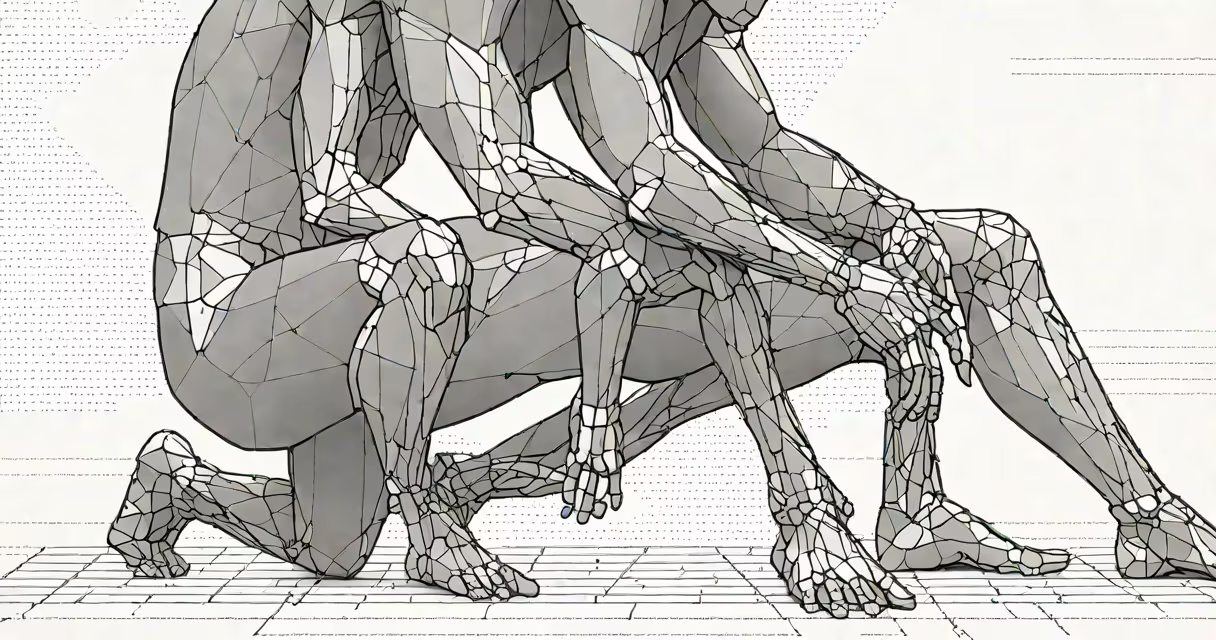
Tight hip flexors create a persistent ache in the front of the hips, stiffness during movement, and often pull on the lower back. This sensation typically worsens with prolonged sitting or standing and improves slightly with gentle stretching. The muscles involved-primarily the iliopsois and rectus femoris-feel taut, tender, or even knotted when pressed.
These muscles connect the spine to the thigh bone and control hip flexion. When chronically contracted, they shorten and lose elasticity. This leads to altered posture, reduced range of motion, and increased risk of injury during activity. People often describe the feeling as a deep, dull pressure in the groin or upper thigh, especially when rising from a seated position.
According to the American Council on Exercise (ACE), tight hip flexors contribute to 60% of reported lower back pain cases in sedentary individuals. The National Institute of Health (NIH) notes that prolonged sitting reduces blood flow to these muscles, accelerating stiffness and discomfort. These findings confirm that tightness isn't just a minor nuisance-it's a biomechanical stressor with measurable impact.
The most consistent symptom is a tight, heavy feeling in the front of the hips, particularly noticeable when standing up from a chair or climbing stairs. Some people report a clicking or catching sensation during leg lifts or lunges. Others feel a dull ache that spreads into the lower abdomen or buttocks.
When lying on your back and lifting one leg straight, resistance or pain in the hip crease signals tightness. A simple test: place a hand on the front of your hip while standing. If you feel a firm band of tissue under the skin, that's likely the contracted rectus femoris.
One client I worked with-a software developer who sat 10+ hours daily-described his hip flexors as "like steel cables pulling my pelvis forward." He noticed he'd tilt his torso to compensate, leading to chronic lower back soreness. After six weeks of targeted stretching and posture correction, his symptoms resolved.
Symptoms intensify after long periods of sitting, such as during desk work or driving. The hip flexors remain in a shortened state, reducing circulation and increasing muscle fatigue. This triggers nociceptors-pain receptors in the muscle tissue-leading to heightened sensitivity.
Exercise can also amplify discomfort. Running, cycling, or squats demand hip flexor activation. If the muscles are already fatigued or tight, they can't contract efficiently, leading to micro-tears and inflammation. A 2021 study in the Journal of Sports Medicine found that athletes with tight hip flexors had a 34% higher incidence of groin strains compared to those with normal flexibility.
Even sleep positions matter. Sleeping on your side with legs stacked increases tension. Lying on your back with knees bent keeps the muscles in a partially contracted state. Optimal recovery requires neutral alignment-hips level, knees slightly bent, feet flat.
Many mistake tight hip flexors for sciatica or herniated discs. Sciatica causes sharp, radiating pain down the leg, often triggered by nerve compression. Tight hip flexors produce a more localized, dull ache in the hip and groin. The pain location differs: sciatica affects the back of the thigh and calf; tight flexors affect the front.
Another confusion: people assume all hip pain comes from the joint itself. But the hip joint is deep and protected. Most front-of-hip discomfort stems from soft tissue tension, not joint degeneration. Imaging studies show that 80% of patients reporting "hip pain" actually have muscular or fascial issues, not structural joint problems.
Some believe stretching alone fixes it. While effective, stretching must be consistent and paired with strength training. Weak glutes and core muscles force the hip flexors to overwork during movement. Without addressing stability, tightness returns quickly.
Here's how different activities trigger distinct sensations:
| Activity | Typical Sensation | Duration/Onset |
|---|---|---|
| Sitting at a desk | Dull ache in front of hips, lower back strain | After 30 minutes; eases with movement |
| Standing up from chair | Sharp tug in hip crease, slight imbalance | Immediate; lasts seconds to minutes |
| Running or sprinting | Burning in upper thigh, reduced stride length | During or after; worsens with pace |
| Yoga (e.g., downward dog) | Stiffness in front of hips, inability to flatten back | During pose; improves with warm-up |
A runner I coached experienced recurring hip pain during sprints. She thought it was a muscle strain. Upon assessment, her hip flexors were visibly tight and tender to touch. After adding changing warm-ups and foam rolling, her performance improved within two weeks. Her pain wasn't from injury-it was from mechanical overload due to poor flexibility.
If tightness persists beyond two weeks despite rest and stretching, consult a physical therapist. Persistent symptoms may indicate underlying conditions like piriformis syndrome or pelvic misalignment. Early intervention prevents chronic issues.
Tight hip flexors aren't just a physical sensation-they're a signal. They reflect prolonged inactivity, poor posture, or overuse. Recognizing the specific feelings-dull ache, stiffness, pulling in the front of the hips-helps differentiate them from joint or nerve issues. Addressing them early prevents long-term strain on the lower back and improves movement efficiency.