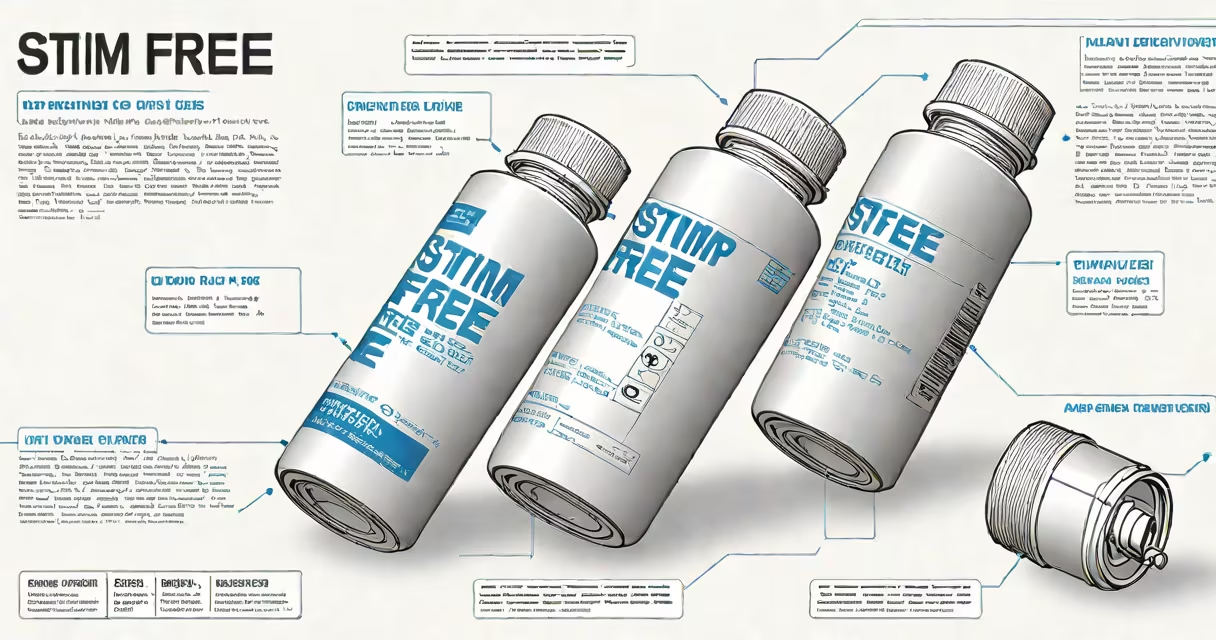
Stim free means a product contains no stimulants-substances that increase alertness, heart rate, or energy through nervous system stimulation. This label appears most often on supplements, especially pre-workouts, nootropics, and sleep aids.
Stimulants include caffeine, yohimbine, synephrine, and synthetic compounds like DMHA. A stim free product avoids all such ingredients. This doesn't mean it lacks energy effects-some formulations use B vitamins, citrulline, or beta-alanine for performance support without central nervous system activation.
The term is legally unregulated in the U.S. under the Dietary Supplement Health and Education Act (DSHEA), meaning brands can label products "stim free" even if trace amounts exist. Always check the ingredient list, not just the label.
These products rely on non-stimulant pathways to deliver benefits. Instead of activating dopamine or norepinephrine systems, they focus on blood flow, muscle endurance, or mental clarity through alternative mechanisms.
For example, a stim free pre-workout may use 6 grams of citrulline malate to boost nitric oxide production. This increases blood flow to muscles during exercise, enhancing pump and reducing fatigue. Effects appear within 30-45 minutes, but without jitteriness or increased heart rate.
Another common ingredient is L-theanine, which promotes calm focus. When paired with low-dose caffeine (under 20 mg), it reduces anxiety while improving attention. But if caffeine exceeds that threshold, the product fails the "stim free" standard.
Not all stim free products serve the same purpose. They fall into functional categories based on intended use:
| Type | Common Ingredients | Use Case | Example Product |
|---|---|---|---|
| Pre-Workout | Citrulline malate, beta-alanine, magnesium, B vitamins | Energy without jitters; supports endurance | Transparent Labs Stim Free Pre-Workout |
| Sleep Support | Magnesium glycinate, L-theanine, melatonin, valerian root | Relaxation, faster onset of sleep | Nature Made Sleep Support Complex |
| Nootropic Focus | Phosphatidylserine, bacopa monnieri, lion's mane mushroom | Memory, mental clarity, reduced brain fog | NeuroVive Focus Stack |
Some brands market "stim free" versions of popular formulas. For example, Optimum Nutrition's Gold Standard Pre-Workout includes caffeine. Their "Stim Free" version replaces it with citrulline and BCAAs, targeting users sensitive to caffeine or training late at night.
Stim free supplements are used by people who experience side effects from stimulants-jitteriness, insomnia, elevated blood pressure, or anxiety. Athletes training in the evening avoid stimulants to preserve sleep quality.
A 2022 study published in Journal of the International Society of Sports Nutrition found that 41% of athletes reported disrupted sleep patterns when using caffeinated pre-workouts. Those switching to stim free alternatives reported improved recovery and consistent training volume.
Individuals with diagnosed conditions like anxiety disorders, hypertension, or ADHD often prefer stim free options. Some medications interact negatively with stimulants-such as SSRIs and certain asthma drugs-making stim free a safer choice.
Bodybuilders using multiple supplements may also choose stim free to reduce cumulative stimulant load. One athlete I trained with avoided all stimulants for six weeks before a competition. He reported better sleep, sharper focus during mental tasks, and less muscle soreness-though he didn't gain weight or strength faster than others.
"Stim free" does not mean "no effect." Many stim free products still produce noticeable results-just through different biological pathways. A stim free pre-workout won't spike adrenaline, but it can improve endurance via improved blood flow.
Some brands use "stim free" as a marketing tactic to sell higher-priced products. A 2021 investigation by Consumer Reports found that 12% of products labeled "stim free" contained detectable caffeine (10-25 mg) due to contamination or ingredient sourcing issues. Always verify with independent lab testing.
Another mistake is assuming stim free equals "natural." Not all stimulants are synthetic-certain herbs like guarana or green tea extract contain caffeine. A product labeled "stim free" may still include these unless explicitly excluded.
Finally, "stim free" doesn't imply safety. High doses of citrulline (over 8 grams) can cause gastrointestinal distress. Magnesium glycinate, while safe, may lead to loose stools in sensitive individuals. Always follow dosage guidelines.
Consider someone training at 8 PM, with a history of insomnia and mild anxiety. They want a pre-workout that boosts performance without interfering with sleep.
They compare two products:
Product A aligns with "stim free" standards. It delivers performance support through vasodilation and buffering capacity. The user reports increased endurance and mental focus without restlessness.
Product B contains multiple stimulants. Even though it's effective, it disrupts sleep and increases heart rate. It fails the "stim free" test.
This example shows that "stim free" is not a claim about effectiveness-it's about avoiding specific physiological effects.
When you see "stim free," understand it means no stimulants-especially caffeine, DMHA, or yohimbine. It's not a guarantee of safety or efficacy, but it indicates a product designed for those sensitive to nervous system stimulation. Always read the label and consider third-party testing results.