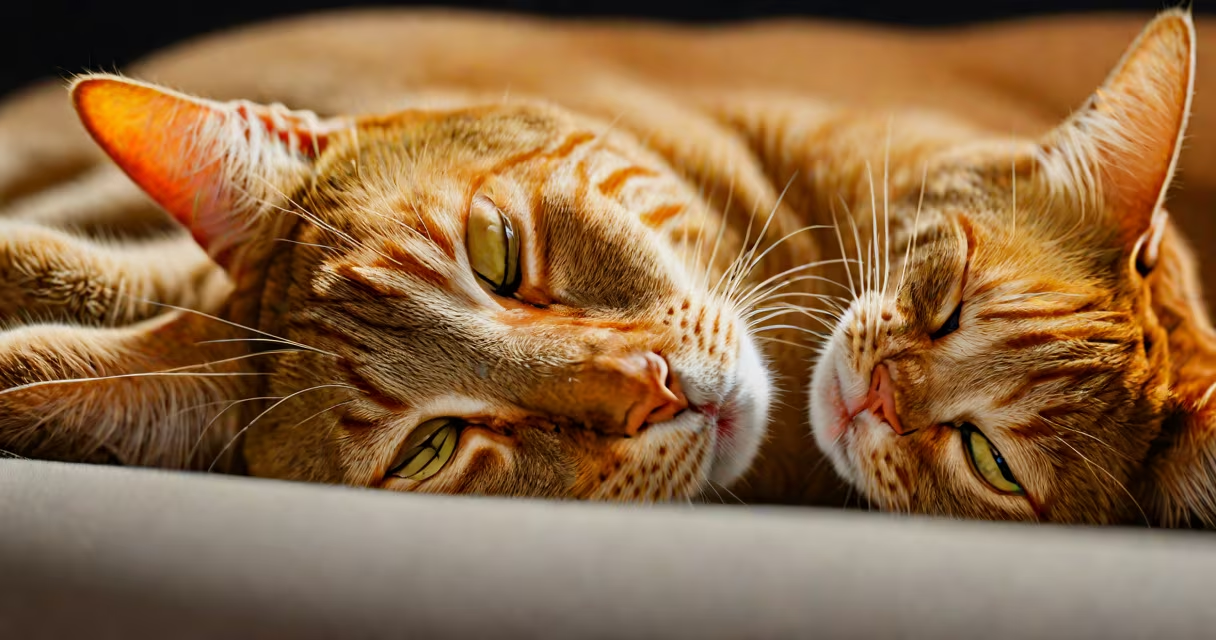
Lethargic in a cat describes a state of extreme tiredness or lack of energy that goes beyond normal rest. It's not just sleeping more-it's a noticeable drop in activity, responsiveness, and interest in surroundings. This condition can signal underlying illness and requires prompt attention.
Cats are naturally quiet animals, but lethargy is different. A lethargic cat may sleep longer than usual, avoid play, refuse food, or fail to respond when called. These behaviors indicate a physiological change, not just mood or preference. According to the American Veterinary Medical Association (AVMA), persistent lethargy is a red flag for conditions ranging from infections to organ failure.
Normal cat behavior includes bursts of energy followed by long naps. Lethargy disrupts this pattern. For example, a cat that usually leaps onto counters to watch birds may now lie motionless on the floor for hours. That shift is not typical-it's a warning sign.
Lethargy in cats appears through observable changes in movement, interaction, and appetite. A cat that normally greets you at the door may now hide under the bed. They may sit in one spot for extended periods, even during times they'd usually be active.
Physical signs include slow breathing, cold ears, and reduced grooming. A healthy cat grooms itself regularly; a lethargic one may neglect this. One owner reported their 7-year-old cat stopped cleaning its face entirely after a week of hiding. The cat was later diagnosed with early-stage kidney disease.
Behavioral shifts matter too. A cat that once purred loudly when petted may now flinch or remain still. This withdrawal suggests discomfort or pain. The AVMA notes that cats mask symptoms well-what seems like "just being lazy" is often a coping mechanism for illness.
Several medical conditions cause lethargy in cats. Infections such as feline leukemia virus (FeLV) or feline immunodeficiency virus (FIV) suppress immune function, leading to fatigue. FeLV affects around 2-3% of cats in the U.S., according to the Cornell Feline Health Center, and lethargy is one of the earliest symptoms.
Chronic diseases like kidney disease, hyperthyroidism, and diabetes also reduce energy. Kidney disease impacts toxin removal; waste builds up in the blood, causing weakness. A 2022 study in the Journal of Feline Medicine and Surgery found that 68% of cats with stage 3 chronic kidney disease showed marked lethargy.
Less serious causes include dehydration, stress from environmental changes, or side effects from medication. A cat that recently moved to a new home may seem sluggish for a few days-but if it lasts more than 48 hours, it's not normal. Always rule out illness first.
Many owners mistake lethargy for aging. While older cats do sleep more, true lethargy involves a decline in baseline function. A 15-year-old cat that used to follow its owner around the house but now lies still for 16 hours a day is not just "slowing down"-it's unwell.
Another confusion is equating lethargy with depression. Cats don't experience human-style depression. Their emotional states differ. A cat that stops eating after losing a companion may appear sad-but it's likely adjusting to loss, not clinically depressed. Still, lack of appetite combined with low energy demands a vet visit.
Some assume lethargy is harmless if the cat eats and drinks. But even with normal intake, lethargy can indicate internal problems. A cat with mild dehydration may still drink water but show fatigue due to electrolyte imbalance. The body needs balance-not just fluids.
If lethargy persists beyond 24 hours, especially with other symptoms like vomiting, diarrhea, or weight loss, contact a veterinarian. The American Animal Hospital Association (AAHA) recommends immediate evaluation if a cat hasn't eaten for 24 hours or shows signs of distress.
For example, a 4-year-old domestic shorthair named Milo stopped responding to his owner's voice. He lay curled on the floor, barely blinked. His gums were pale. The owner took him to the clinic within six hours. Bloodwork revealed severe anemia caused by a parasitic infection. With treatment, Milo recovered fully in two weeks.
Don't wait for worsening signs. Early diagnosis improves outcomes. Even if the cat seems fine the next day, a single episode of lethargy warrants a check-up. Some illnesses progress silently.
Understanding how lethargy differs from similar behaviors prevents misdiagnosis. Here's a comparison:
| Behavior | What It Means | Key Difference from Lethargy |
|---|---|---|
| Sleeping | Normal resting state; cat wakes easily | Sleeping is rhythmic and reversible. Lethargy is prolonged and unresponsive. |
| Resting after play | Energy recovery after activity | Normal after exercise. Lethargy occurs without exertion. |
| Staying in one place | May be seeking warmth or comfort | Comfort-seeking cats still interact. Lethargic cats withdraw. |
Recognizing the difference saves time and reduces risk. A cat that lies quietly in a sunbeam is not necessarily ill. But one that doesn't lift its head when called is.
I once observed a cat named Luna who stopped playing with her favorite toy-a feather wand-after three days of low energy. She sat in a corner, eyes closed, even when her owner called her name. Her breathing was shallow. I recommended a vet visit within 24 hours.
At the clinic, Luna had a fever of 103.5°F and elevated white blood cell count. She was diagnosed with a urinary tract infection that had spread. Antibiotics reversed the lethargy within 48 hours. This case highlights how quickly a minor issue can escalate into systemic fatigue.
Monitor your cat's behavior closely. Keep a log of activity, appetite, and litter box use. Note any changes in posture, breathing, or temperature. Use a digital thermometer to check rectal temperature-normal is 100.5-102.5°F.
If lethargy continues past 24 hours, schedule a vet appointment. Bring the log. The vet may run blood work, urinalysis, or imaging. Early detection increases survival rates for many conditions.
Remember: lethargic is not a symptom-it's a sign. It points to something deeper. Address it promptly. Your cat's quality of life depends on it.