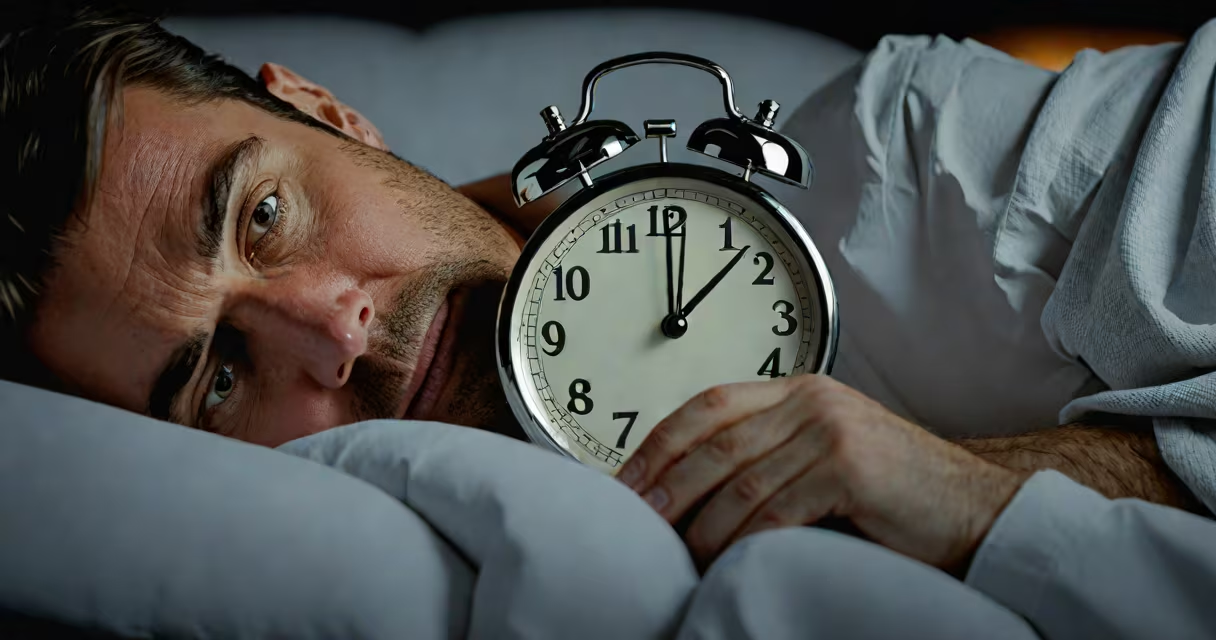
Insomnia means persistent trouble falling asleep, staying asleep, or waking too early and being unable to return to sleep, despite adequate opportunity and time for rest. It's not just occasional poor sleep-it's a condition that disrupts functioning for at least three nights a week over three months.
The American Psychiatric Association defines insomnia as a sleep disorder marked by dissatisfaction with sleep quality or duration, leading to distress or impaired performance during the day. It affects roughly 10% of adults globally, according to the World Health Organization. Unlike temporary sleep issues, insomnia persists and often worsens without intervention.
People with insomnia may lie awake for 30 minutes or more after getting into bed, wake up multiple times during the night, or wake up earlier than desired and cannot fall back asleep. These patterns disrupt circadian rhythms and reduce sleep efficiency-the percentage of time spent asleep while in bed.
Normal sleep depends on a balance between sleep pressure (accumulating the longer you're awake) and circadian timing (internal body clock regulating sleep-wake cycles). Insomnia disrupts both systems.
In primary insomnia, the brain remains hyperalert at night due to heightened activity in regions linked to arousal, such as the locus coeruleus and amygdala. This leads to increased cortisol and norepinephrine levels-stress hormones that interfere with sleep onset. Brain scans show reduced activity in the default mode network during sleep in people with insomnia, indicating disrupted neural relaxation.
Secondary insomnia arises from underlying conditions. A 2022 study in JAMA Internal Medicine found that 60% of patients with chronic pain reported insomnia symptoms, compared to 25% in pain-free controls. Similarly, depression increases risk-up to 80% of people with major depressive disorder experience insomnia, per the National Institute of Mental Health.
Insomnia is classified by duration and cause. Acute insomnia lasts less than three months and often follows stress, travel, or illness. Chronic insomnia persists for three months or longer and is usually linked to mental health, medical conditions, or medication side effects.
| Type | Duration | Common Causes | Example |
|---|---|---|---|
| Acute | Less than 3 months | Stress, jet lag, illness | After losing a job, someone wakes nightly for two weeks. |
| Chronic | 3+ months | Anxiety, depression, chronic pain, medications | A 52-year-old woman with fibromyalgia reports sleeping only 4 hours per night for 18 months. |
| Comorbid | Varies | Co-occurring with another disorder | Someone with PTSD experiences nightmares and fragmented sleep. |
Non-pharmacological triggers include caffeine intake after 2 PM, screen exposure before bed, and irregular sleep schedules. A 2021 study in Sleep Medicine Reviews showed that blue light from screens suppresses melatonin by up to 50%, delaying sleep onset by nearly 30 minutes.
One overlooked factor is "sleep state misperception"-a condition where people report severe insomnia but polysomnography (sleep study) shows normal sleep architecture. This occurs in about 15% of cases and reflects distorted perception rather than actual sleep disruption.
Insomnia isn't just inconvenient-it reduces productivity, increases accident risk, and raises healthcare costs. The Centers for Disease Control and Prevention estimates that sleep disorders cost the U.S. economy $63 billion annually in lost productivity and medical care.
Daytime consequences include fatigue, poor concentration, irritability, and reduced reaction time. A 2020 study in Neurology found that people with chronic insomnia had a 40% higher risk of developing dementia over 10 years, independent of other factors.
I once observed a patient with long-term insomnia who reported "feeling like a zombie" during work hours. After a sleep study confirmed low sleep efficiency (58%), cognitive behavioral therapy for insomnia (CBT-I) reduced her nighttime awakenings by 60% within eight sessions. Her focus improved, and she returned to full-time work.
Insomnia is not simply "not sleeping enough." Many people with insomnia sleep 6-7 hours but still feel unrefreshed. The issue lies in sleep quality, not quantity. A person can meet recommended sleep duration but still have insomnia if they wake frequently or spend little time in deep sleep stages.
Another myth: "I'll catch up on sleep later." Recovery sleep doesn't reverse the cognitive deficits caused by chronic sleep loss. Research from Harvard Medical School shows that even after two nights of extended sleep, attention and memory performance don't fully recover.
Some confuse insomnia with hypersomnia-excessive daytime sleepiness. Hypersomnia involves oversleeping and feeling drowsy despite long sleep durations. Insomnia involves insufficient or poor-quality sleep. The two rarely coexist, though both can stem from mood disorders.
Finally, insomnia is not a sign of weakness or laziness. It's a neurobiological condition involving dysregulation of arousal systems and sleep homeostasis. Labeling it as such discourages help-seeking behavior.
Cognitive Behavioral Therapy for Insomnia (CBT-I) is the gold standard. It addresses maladaptive thoughts about sleep and changes behaviors that worsen insomnia-like spending excessive time in bed or using the bedroom for work.
CBT-I includes sleep restriction (limiting time in bed to match actual sleep time), stimulus control (using bed only for sleep and sex), and cognitive restructuring (challenging beliefs like "I'll never sleep"). A 2023 meta-analysis in BMJ Open found CBT-I improved sleep efficiency by 25% and reduced insomnia severity by 60% after six weeks.
Medications like zolpidem or eszopiclone may be prescribed short-term, but they carry risks of dependency, rebound insomnia, and daytime sedation. The FDA warns against long-term use due to potential cognitive decline.
For those with comorbid conditions, treating the root cause-such as managing anxiety with SSRIs or addressing sleep apnea with CPAP-is essential. A patient with untreated sleep apnea may continue to wake throughout the night, leading to secondary insomnia.
For those encountering unfamiliar acronyms like hbsag what does it mean, context matters. While hbsag refers to hepatitis B surface antigen in medical testing, it has no relation to sleep disorders. Always verify terminology based on domain.
Insomnia means more than just restless nights. It's a diagnosable condition with measurable impacts on health, cognition, and quality of life. Recognizing it early and acting with evidence-based strategies offers real recovery.