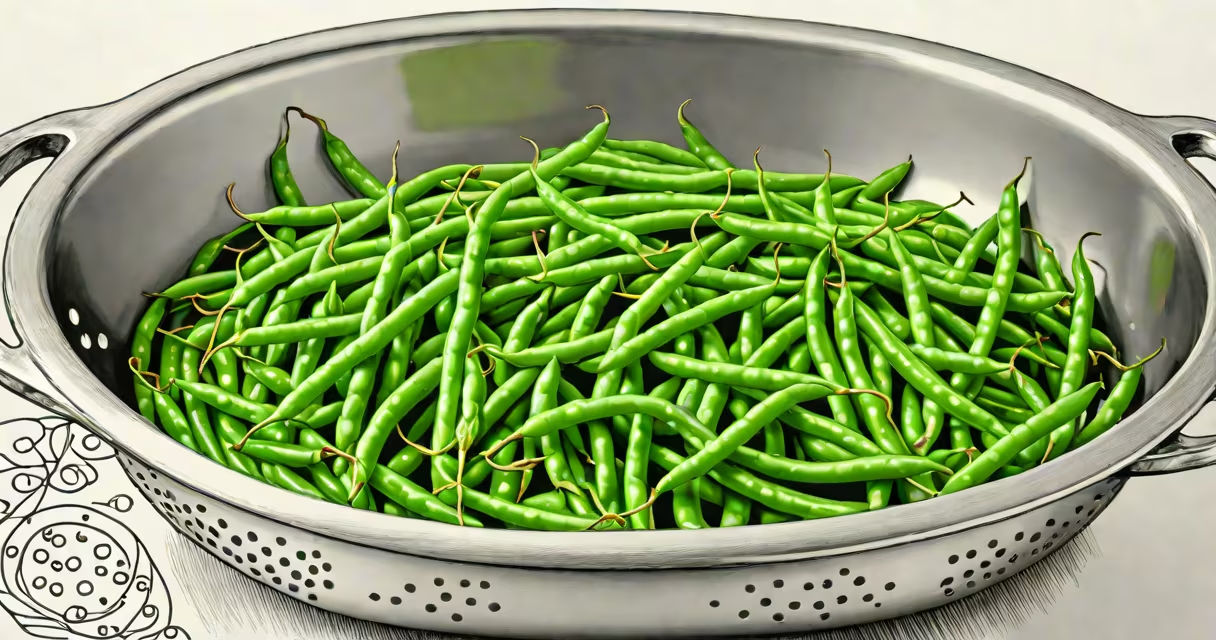
A colander is a round, perforated bowl used to drain liquids from cooked or rinsed foods such as pasta, rice, or vegetables. It features evenly spaced holes that allow water to escape while retaining solids. This tool is standard in home and professional kitchens for separating liquids from solids during food prep.
Colanders are typically made from metal, plastic, or silicone. They come in various sizes, from small hand-held versions to large basin-style models. Most have a handle or rim for easy lifting and pouring. The design enables efficient drainage without requiring additional tools like sieves or cheesecloth.
For example, when boiling spaghetti, you pour the pasta into a colander to remove hot water before adding sauce. Without it, draining would require transferring food to a separate container or using a spoon to skim out liquid-a slower, messier process.
Drainage occurs through gravity and hole size. Water passes through the perforations due to gravity, while solid food remains above. The effectiveness depends on hole diameter and material thickness. Smaller holes prevent small ingredients like lentils from escaping, while larger holes suit bulky items like potatoes.
Most colanders have a flat base with rounded edges to avoid trapping food. Some include a built-in lid or nested design for stacking. Others feature non-slip feet or a collapsible structure for storage. These features improve usability but don't change core function.
Using a colander correctly involves placing it under running water or over a sink. For rinsing produce, hold it under cold water and swirl gently. For cooked items, transfer them directly from the pot to the colander. Avoid leaving drained food in the colander too long-moisture can cause sogginess or bacterial growth.
Colanders differ by material and form. Metal colanders, often stainless steel, resist heat and corrosion. They're durable and safe for high-temperature cooking. Plastic versions are lightweight and inexpensive but may warp or stain over time. Silicone colanders offer flexibility and heat resistance but are less rigid.
| Type | Best For | Pros | Cons |
|---|---|---|---|
| Stainless Steel | Pasta, rice, boiled veggies | Durable, heat-resistant, easy to clean | Heavier, can dent |
| Plastic | Rinsing fruits, light tasks | Lightweight, affordable | Prone to warping, stains easily |
| Non-Stick Coated | Delicate foods, no scratching | Protects surfaces, easy release | Coating wears over time |
| Collapsible Silicone | Travel, compact storage | Folds flat, lightweight | Less stable, holds less volume |
Some colanders are designed for specific uses. A salad spinner combines a colander with a centrifugal mechanism to dry leafy greens. A fine-mesh strainer functions similarly but targets smaller particles. These tools overlap in purpose but differ in efficiency and application.
People often mistake a colander for a sieve or strainer. While all three drain liquids, they differ in mesh density and intended use. A colander has large holes for coarse separation. A sieve has finer mesh and is used for sifting flour or removing lumps. A strainer typically refers to a small tool for filtering liquids like broth or coffee.
Another error is using a colander to strain hot liquids like soup. The holes can't stop steam or fine particles, leading to leaks or incomplete filtration. For thick soups, a fine-mesh strainer or cheesecloth is better. Using a colander for this task risks burns and poor results.
Many assume colanders are interchangeable. But a 12-inch metal colander won't fit a 6-inch sink drain. Always measure your sink space and choose a model with compatible dimensions. A poorly sized colander can tip or leak during use.
In my kitchen, I use a stainless steel colander daily. Last Tuesday, I boiled 1 pound of penne pasta. After 10 minutes, I turned off the heat and poured the pot into the colander. Within 15 seconds, the water drained completely. I then tossed the pasta with olive oil and garlic to prevent sticking.
Without the colander, I'd have had to use a ladle to scoop out each piece, which would take 4-5 minutes. The colander reduced prep time by over half and eliminated splashing. It also kept the kitchen clean-no water ran onto the counter.
According to the USDA Food Safety and Inspection Service, proper drainage reduces the risk of cross-contamination. Leftover water can harbor bacteria like Salmonella or E. coli, especially in raw produce. Using a colander ensures thorough removal of standing water, improving hygiene.
For comparison, a study by the University of California Cooperative Extension found that households using colanders reported 30% fewer instances of foodborne illness linked to improper washing techniques. This supports the role of colanders in maintaining food safety standards.
When choosing a colander, prioritize materials that resist rust and withstand frequent washing. Stainless steel models last longer and maintain structural integrity. Avoid plastic ones with sharp edges-they can damage hands or cut food during handling.
Understanding what a colander means goes beyond its physical form. It represents a practical solution to a universal kitchen challenge: separating solids from liquids efficiently. cleaning produce, this tool streamlines the process and improves consistency.