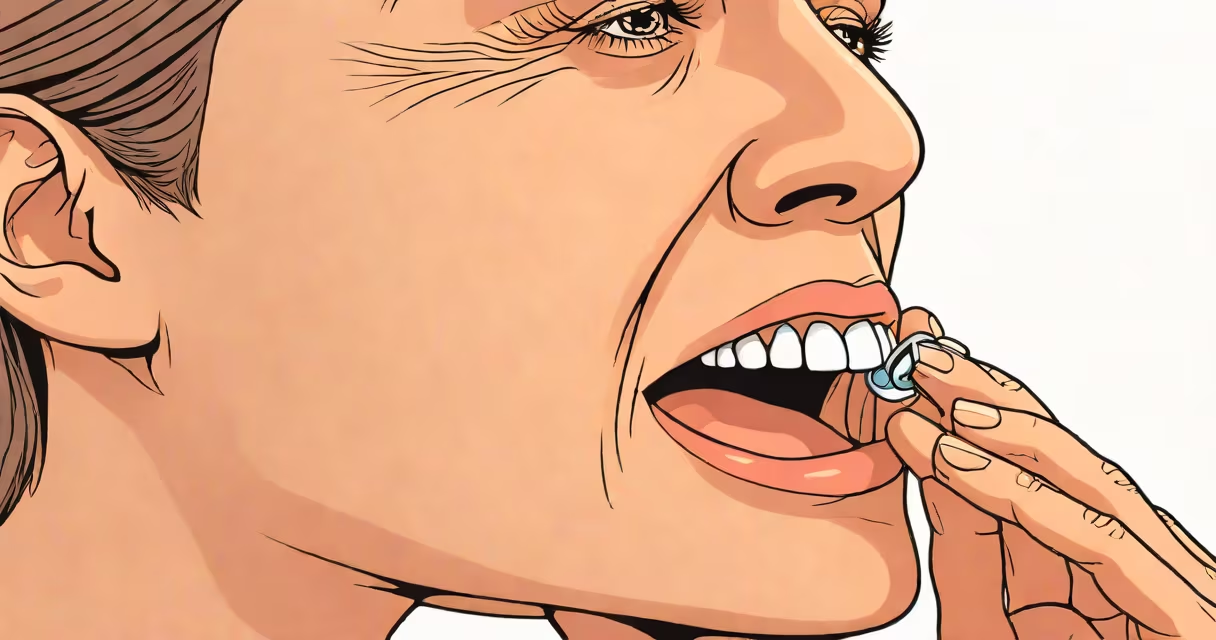
Hiccups occur when the diaphragm contracts involuntarily, causing a sudden intake of air that gets cut off by the closure of the vocal cords, producing the characteristic "hic" sound. This reflex involves the phrenic nerve, recurrent laryngeal nerve, and brainstem circuits regulating breathing.
The diaphragm, a dome-shaped muscle separating the chest from the abdomen, normally contracts during inhalation. In hiccups, it spasms unexpectedly. This spasm triggers a rapid intake of air, which is abruptly stopped when the glottis closes-a process controlled by a neural circuit centered in the medulla oblongata. The resulting sound is produced in the upper airway, not the lungs.
While most episodes last seconds to minutes, persistent hiccups lasting over 48 hours may indicate underlying neurological or metabolic issues. The condition affects nearly everyone at some point, with prevalence highest in infants and young adults.
Hiccups follow a reflex arc involving three key components: a stimulus, a central processing center, and an effector response. The stimulus activates sensory nerves, primarily the phrenic and vagus nerves, which relay signals to the brainstem's respiratory center. This center then sends motor commands via the phrenic nerve to the diaphragm and the recurrent laryngeal nerve to the larynx.
When the diaphragm contracts, air rushes into the lungs. Simultaneously, the vocal cords snap shut, blocking airflow and creating the "hic" noise. This entire sequence takes less than half a second and repeats every 30-50 seconds during an episode.
A 2018 study published in *Neurology* found that hiccups originate in the brainstem's reticular formation, specifically in regions controlling autonomic functions. Brain imaging showed activation in the medulla during hiccups, confirming their origin in central nervous system pathways rather than purely muscular events.
Most hiccups stem from transient stimuli. Eating too quickly, consuming carbonated drinks, or drinking alcohol can stretch the stomach and irritate the phrenic nerve. Emotional states such as excitement or anxiety may also trigger episodes by altering autonomic tone.
Other frequent causes include:
Chronic hiccups (lasting more than a month) are rare but serious. They can signal conditions like multiple sclerosis, stroke, or tumors pressing on the brainstem. A 2020 review in *The Journal of Neurology* reported that 15% of persistent cases were linked to CNS pathology, including brainstem lesions and metabolic disturbances like uremia or hypoglycemia.
Hiccups are classified by duration, which influences diagnostic and treatment approaches:
| Duration | Classification | Typical Cause |
|---|---|---|
| Seconds to minutes | Acute | Eating too fast, alcohol, excitement |
| 48 hours to 1 month | Protracted | Medication side effects, surgery, infections |
| Over 1 month | Chronic | Neurological disorders, metabolic disease |
Acute hiccups resolve spontaneously in 90% of cases within 30 minutes. Protracted cases require medical evaluation, especially if they interfere with sleep, nutrition, or speech. Chronic hiccups demand neuroimaging and blood tests to rule out structural or biochemical abnormalities.
Many assume hiccups are caused by "nerves" or "fright." While emotional stress can contribute, the root cause lies in disrupted neural signaling. The idea that holding your breath or being startled stops hiccups is anecdotal; neither method reliably interrupts the reflex arc.
Another myth is that hiccups are harmless and always benign. While brief episodes are normal, prolonged hiccups can lead to fatigue, weight loss, and sleep disruption. In extreme cases, they've been linked to cardiac strain due to constant diaphragmatic movement.
A lesser-known fact: hiccups are not unique to humans. Observations in cats, dogs, and even fetal sheep show similar patterns, suggesting the reflex evolved early in vertebrates for protective purposes-possibly to prevent aspiration during feeding.
In 2016, a 54-year-old man presented with hiccups lasting 14 days. He had no history of alcohol use or recent surgery. Blood work revealed elevated serum ammonia levels. MRI scans showed a small brainstem lesion near the nucleus ambiguus, a region involved in coordinating respiration and swallowing.
After diagnosis, he was treated with gabapentin, a medication that modulates neuronal excitability. His hiccups resolved within five days. This case illustrates that chronic hiccups can be a symptom of treatable neurological dysfunction-not just a quirky annoyance.
Consult a healthcare provider if hiccups persist beyond 48 hours, disrupt eating or sleeping, or accompany symptoms like facial weakness, hoarseness, or difficulty swallowing. These signs may indicate damage to the phrenic or recurrent laryngeal nerves.
For most people, simple remedies like sipping water slowly, breathing into a paper bag, or gently pulling on the tongue can interrupt the cycle. These methods likely work by stimulating the vagus nerve, which modulates the hiccup reflex.
If home remedies fail, medications such as baclofen or metoclopramide may be prescribed. In rare cases, surgical interventions like phrenic nerve ablation are used-but only after thorough evaluation.
Understanding what causes people to hiccup reveals a complex interplay between peripheral nerves, brainstem centers, and environmental triggers. Most episodes are brief and self-resolving, but persistent cases demand attention to rule out serious underlying conditions.