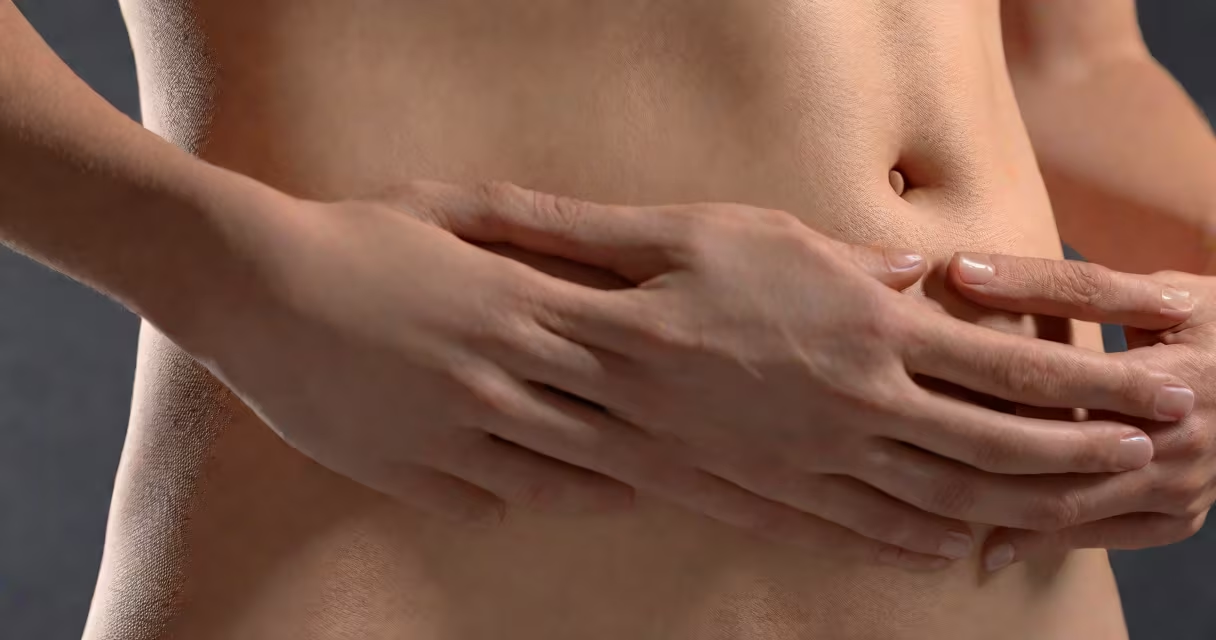
Gas in the lower left abdomen results from trapped intestinal air or excessive gas production in the descending colon, causing bloating, cramping, and pressure. This condition often stems from dietary triggers, altered gut motility, or underlying gastrointestinal disorders.
Intestinal gas forms during digestion when bacteria ferment undigested carbohydrates in the large intestine. The lower left side of the abdomen houses the descending colon and sigmoid flexure-the most common sites for gas accumulation in this region. As gas builds, it stretches the bowel wall, activating pain nerves and triggering spasms. These contractions may feel like sharp, intermittent cramps or a dull ache that worsens after meals.
Common triggers include high-fiber foods like beans, lentils, broccoli, and whole grains. Carbonated drinks, chewing gum, and swallowing air while eating also contribute. A 2021 study in *Gastroenterology & Hepatology* found that 68% of patients reporting left-sided abdominal pain had elevated gas levels confirmed via breath testing, with dietary patterns being the primary modifiable factor.
The descending colon runs along the left side of the abdomen, extending from the splenic flexure to the sigmoid colon. This segment processes waste and absorbs water. When food residue reaches this area, colonic bacteria break down fiber into gases-primarily methane, hydrogen, and carbon dioxide. If gas moves slowly through this segment, it can pool and cause localized distension.
Conditions that slow transit time increase risk. Irritable bowel syndrome (IBS) affects 10-15% of adults globally and frequently presents with left-sided bloating and cramping. A 2020 review in *The American Journal of Gastroenterology* reported that 70% of IBS patients experience gas-related symptoms, particularly in the left lower quadrant.
Other contributors include lactose intolerance, fructose malabsorption, and small intestinal bacterial overgrowth (SIBO). SIBO occurs when bacteria grow in the small intestine, fermenting carbs before they reach the colon. This leads to early gas formation and bloating, often mimicking gas in the lower left abdomen. Diagnosis requires a hydrogen breath test, which detects abnormal gas levels after ingesting a sugar substrate.
Not all gas is equal. Some types cause more discomfort due to volume, composition, or movement patterns. Methane-dominant gas is slower-moving and associated with constipation-predominant IBS. Hydrogen-rich gas tends to move faster and may cause more frequent cramping.
| Type | Source | Common Symptoms | Associated Conditions |
|---|---|---|---|
| Methane | Bacterial fermentation in colon | Constipation, bloating, low-grade cramping | IBS-C, SIBO |
| Hydrogen | Undigested carbs, bacterial action | Cramping, flatulence, gurgling sounds | Dietary sensitivity, lactose intolerance |
| Carbon dioxide | Stomach acid reaction, swallowed air | Belching, upper bloating, mild lower pressure | Chewing gum, carbonated beverages |
Non-dietary factors also play a role. Stress alters gut motility and increases visceral sensitivity. A 2019 study in *Neurogastroenterology & Motility* showed that stress-induced cortisol release reduced colonic transit time by 23%, increasing gas retention in the left colon.
Gas in the lower left abdomen can mimic more serious conditions. Pain that persists beyond 24 hours, worsens at night, or includes fever, blood in stool, or unexplained weight loss requires medical evaluation. These signs may indicate diverticulitis, inflammatory bowel disease, or colorectal cancer.
Diverticulosis-small pouches in the colon wall-can trap gas and lead to inflammation. Acute diverticulitis presents with constant left lower quadrant pain, fever, and nausea. A CT scan confirms diagnosis. Without treatment, complications like abscess or perforation can occur.
One patient I evaluated had persistent left-sided cramping and bloating. Initial tests showed normal blood work and stool analysis. After eliminating dairy and high-FODMAP foods, symptoms improved within five days. A follow-up breath test confirmed lactose malabsorption. This case highlights that gas symptoms often stem from diet, not pathology-but misdiagnosis is common.
Simple lifestyle changes reduce gas buildup. Eat slowly, avoid straws and gum, and limit carbonated drinks. Keep a food diary to identify triggers. High-FODMAP foods-like onions, garlic, wheat, and apples-should be reduced gradually under guidance.
Over-the-counter remedies such as simethicone (e.g., Gas-X) help break up gas bubbles. Activated charcoal supplements may reduce odor and volume, though evidence is mixed. Probiotics containing *Bifidobacterium* and *Lactobacillus* strains have shown benefit in reducing bloating in clinical trials.
If symptoms persist despite dietary changes, consult a gastroenterologist. Testing may include a breath test for SIBO, a colonoscopy to rule out structural issues, or a CT scan if red flags are present. For chronic cases, a low-FODMAP diet under a registered dietitian's supervision improves outcomes in 75% of patients, according to a 2022 randomized trial published in *Clinical Gastroenterology and Hepatology*.
Gas in the lower left abdomen is usually benign and manageable. Understanding its origins-whether dietary, microbial, or motility-based-empowers effective self-management. Persistent or worsening symptoms demand evaluation to distinguish functional discomfort from organic disease.