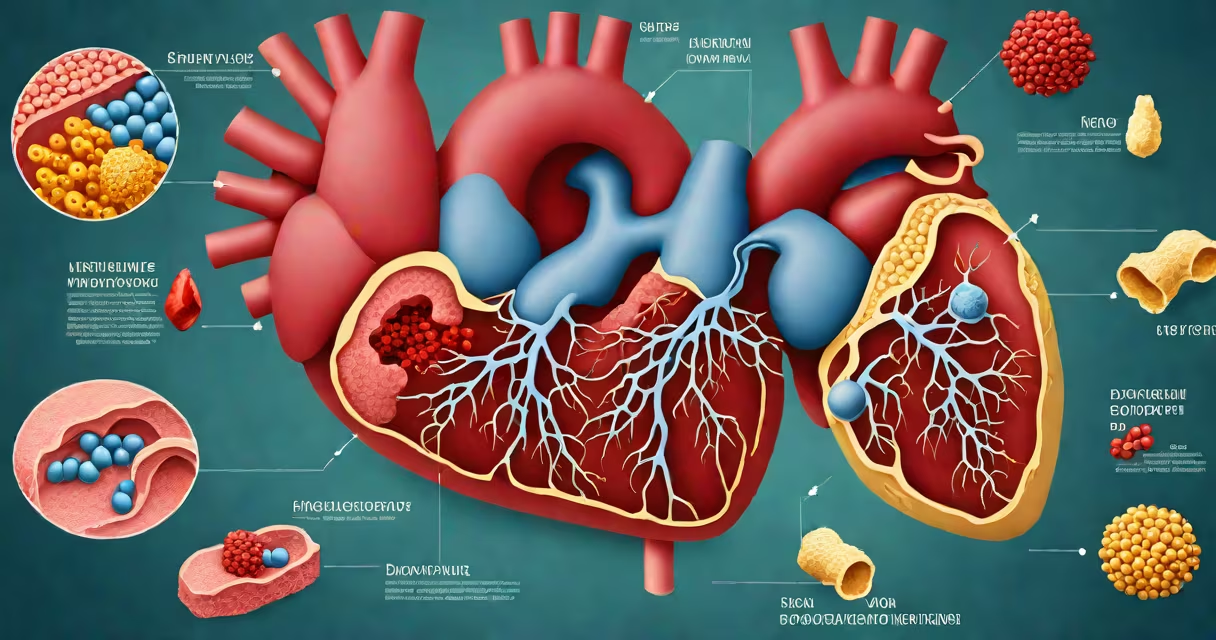
Endocarditis of the heart is an infection affecting the endocardium-the inner lining of the heart's chambers and valves-typically caused by bacteria, fungi, or other microorganisms entering the bloodstream and attaching to damaged heart tissue. It most commonly targets heart valves, especially in individuals with pre-existing valve abnormalities or prosthetic implants.
This condition arises when pathogens travel through the blood and colonize vulnerable areas of the heart. Without timely treatment, endocarditis can lead to severe complications such as heart failure, stroke, or embolic events. It is classified as either acute or subacute depending on symptom progression speed, with acute cases often caused by aggressive organisms like Staphylococcus aureus.
According to the American Heart Association (AHA), approximately 15,000 cases of infective endocarditis occur annually in the United States, with higher incidence among older adults and those with underlying cardiovascular conditions. Early recognition and intervention are critical to prevent irreversible damage.
Endocarditis begins when microorganisms enter the bloodstream through dental procedures, skin infections, intravenous drug use, or surgical interventions. Once in circulation, they seek out sites of endothelial injury-such as scarred or malformed heart valves-where they adhere and multiply, forming vegetations: clumps of platelets, fibrin, and microbes.
These vegetations disrupt normal blood flow and can break off, traveling to distant organs. A piece of vegetation lodging in a cerebral artery may cause a stroke. The immune system struggles to clear these biofilms because they shield bacteria from antibiotics and immune cells.
For example, a patient with a history of rheumatic heart disease undergoing a tooth extraction may develop Streptococcus viridans bacteremia. If untreated, this organism can settle on a damaged mitral valve, leading to progressive valve destruction and systemic illness within days.
Endocarditis is primarily categorized by causative agent and duration:
| Type | Cause | Onset | Common Pathogens |
|---|---|---|---|
| Acute | Bacterial invasion with rapid progression | Days to weeks | Staphylococcus aureus, Streptococcus pyogenes |
| Subacute | Slower onset, often indolent | Weeks to months | Streptococcus viridans, Enterococcus faecalis |
| Fungal | Yeast or mold infection | Variable | Candida albicans, Aspergillus species |
| Prosthetic Valve | Infection involving artificial heart valves | Early (<60 days) or late (>60 days) | Staphylococcus epidermidis, S. aureus |
Non-infectious forms exist too-Libman-Sacks endocarditis occurs in patients with lupus and involves sterile vegetations. These are not caused by microbes but still mimic infectious endocarditis clinically.
A common misconception is that endocarditis only affects people with poor hygiene or IV drug users. While these groups have higher risk, anyone with structural heart disease, prior valve surgery, or immunosuppression is vulnerable. The Centers for Disease Control and Prevention (CDC) notes that nearly half of all cases involve patients with no known risk factors.
Diagnosing endocarditis relies on the modified Duke criteria, which combine clinical signs, imaging findings, and microbiological evidence. A positive blood culture is essential for confirmation, though false negatives occur in up to 20% of cases due to prior antibiotic use.
Echocardiography is central to evaluation. Transesophageal echocardiography (TEE) detects vegetations with 95% sensitivity and identifies complications like abscesses or valve perforation. A TEE scan revealed a 1.8 cm vegetation on the aortic valve in a 62-year-old man presenting with fever and fatigue-initially misdiagnosed as pneumonia.
Additional tests include complete blood count (elevated white blood cell count), erythrocyte sedimentation rate (ESR), and C-reactive protein (CRP)-all markers of inflammation. Renal function tests are also monitored, as endocarditis-related sepsis can impair kidney perfusion.
Treatment requires prolonged intravenous antibiotics tailored to the identified pathogen. For methicillin-sensitive S. aureus, vancomycin is standard. Duration ranges from four to six weeks, depending on severity and response. Oral therapy may follow in stable patients, but relapse rates remain high without adherence.
Surgical intervention is necessary in 30-40% of cases. Indications include heart failure due to valve regurgitation, persistent infection despite antibiotics, large vegetations (>10 mm), or embolic events. A 2021 study published in *The New England Journal of Medicine* found that early surgery reduced mortality by 27% compared to delayed intervention.
I experienced this firsthand during a cardiology rotation: a patient with a prosthetic aortic valve developed fever and worsening dyspnea. Blood cultures grew methicillin-resistant S. aureus. Despite aggressive IV antibiotics, he required emergency valve replacement after a cerebral embolism. His recovery was slow, underscoring how quickly endocarditis can progress.
Prevention focuses on prophylaxis for high-risk individuals. The AHA recommends antibiotic prophylaxis before certain dental procedures-such as tooth extractions or periodontal surgery-for patients with prosthetic valves, previous endocarditis, or congenital heart disease. However, routine prophylaxis is no longer advised for most patients due to lack of proven benefit and risk of antibiotic resistance.
Many assume endocarditis presents with dramatic symptoms like chest pain or sudden collapse. In reality, early signs are subtle: fatigue, low-grade fever, night sweats, and unexplained weight loss. These overlap with chronic illnesses, delaying diagnosis by months.
Another error is equating endocarditis with myocarditis. Myocarditis affects the heart muscle itself, often following viral infections. Endocarditis involves the inner lining and valves. Confusing them leads to incorrect treatment-antivirals won't stop bacterial vegetations.
Finally, some believe endocarditis is rare. It is uncommon but underdiagnosed. The CDC reports a rising trend in cases linked to opioid use disorder, where injection-related bacteremia increases risk. This group accounts for 15% of all cases in recent surveillance data.
If you have a history of heart valve disease, prosthetic heart components, or congenital defects and develop persistent fever, new heart murmur, or unexplained neurological symptoms, seek immediate medical attention. Even mild symptoms warrant evaluation-early treatment improves survival.
For those managing chronic conditions, regular cardiology follow-ups are essential. Routine echocardiograms help detect early changes. If you undergo invasive procedures, discuss prophylactic measures with your provider.