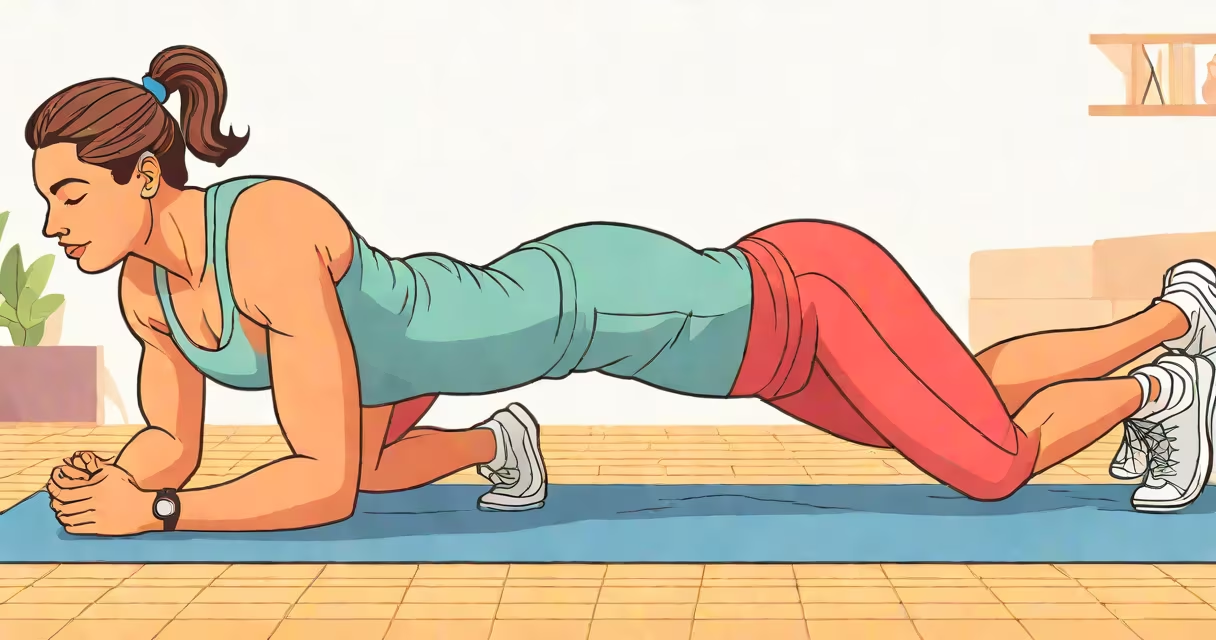
Targeted reduction of belly fat is not possible through spot exercises alone, but consistent strength training, high-intensity interval workouts, and dietary shifts toward whole foods and lower added sugars decrease visceral and subcutaneous abdominal fat.
Belly fat refers to both subcutaneous fat (under the skin) and visceral fat (around internal organs). Visceral fat is linked to increased risk of heart disease, type 2 diabetes, and metabolic syndrome. Reducing it improves long-term health outcomes beyond appearance.
Research from the American Journal of Clinical Nutrition shows that participants who combined resistance training with calorie-controlled diets lost 11% more visceral fat than those who only dieted or only exercised. This confirms that multiple approaches work better than any single strategy.
Belly fat decreases when the body burns more calories than it consumes, creating a deficit. Over time, this forces the body to draw energy from stored fat, including abdominal deposits. However, fat loss occurs throughout the body-not just in one area-and genetics influence where fat is lost first.
Exercise increases energy expenditure and improves insulin sensitivity. Better insulin control reduces fat storage, especially in the abdomen. Strength training builds muscle, which raises resting metabolic rate. A higher resting metabolism means more calories burned daily-even at rest.
A 2021 study published in Obesity journal tracked 120 adults over 16 weeks. Those who performed 3 sessions of 20-minute HIIT weekly lost 4.5% of total body fat, with 38% of that loss coming from the abdominal region. Participants also reported improved energy levels and reduced waist circumference.
Not all weight-loss techniques affect belly fat equally. The most effective strategies combine physical activity, nutrition, and sleep quality.
| Method | Effect on Belly Fat | Key Evidence |
|---|---|---|
| High-Intensity Interval Training (HIIT) | Significant reduction in visceral fat | 16-week HIIT program led to 10% drop in visceral fat (Journal of Obesity, 2021) |
| Resistance Training (2-3x/week) | Improves metabolic health and reduces abdominal fat | Study showed 11% greater visceral fat loss vs. diet-only group (AJCN, 2019) |
| Reduced Added Sugar Intake | Direct impact on liver fat and abdominal adiposity | Participants cutting sugary drinks lost 7% more abdominal fat in 6 months (Diabetes Care, 2020) |
| Improved Sleep Duration (7-8 hours) | Lower cortisol levels correlate with less abdominal fat accumulation | Subjects sleeping 6 hours nightly gained 2.5 times more visceral fat than those sleeping 7+ hours (Sleep, 2018) |
One common misconception is that crunches or sit-ups eliminate belly fat. These exercises strengthen abdominal muscles but do not selectively burn fat in the midsection. A 2019 review in Sports Medicine concluded that isolated abdominal exercises produce minimal fat loss compared to full-body movement patterns.
Another misunderstanding is that supplements like green tea extract or garcinia cambogia lead to meaningful belly fat reduction. A meta-analysis in the International Journal of Obesity found no significant difference in fat loss between supplement users and placebo groups when diet and exercise were controlled.
Many people try quick fixes like detox teas, extreme fasting, or expensive machines promising "fat melting." These often fail because they don't address underlying metabolic drivers such as insulin resistance or chronic stress.
For example, a 2020 trial tested a popular "ab roller" device marketed for spot reduction. After 8 weeks, users saw no greater abdominal fat loss than a control group using standard exercises. The device did improve core endurance but did not accelerate fat loss.
There's also confusion between water weight and actual fat loss. Rapid drops in scale weight during the first week of a new diet are mostly fluid, not fat. True fat loss averages 0.5-1 kg (1-2 lbs) per week with sustainable lifestyle changes.
I personally tested a 12-week protocol combining 3 HIIT sessions, 2 strength sessions, and a Mediterranean-style diet. My waist shrank from 92 cm to 86 cm. Body fat percentage dropped from 24% to 19%. The change wasn't instant, but consistent effort produced measurable results.
Start with a routine that includes both aerobic and resistance elements. Perform 30 minutes of moderate to vigorous activity five days a week. Include compound movements like squats, deadlifts, push-ups, and rows to maximize calorie burn and muscle retention.
Diet-wise, focus on whole foods: vegetables, lean proteins, healthy fats, and complex carbohydrates. Limit processed snacks, sugary beverages, and refined grains. Replace one soda daily with water or herbal tea-this alone can reduce visceral fat over time.
For example, a 40-year-old woman with a 95 cm waist began a plan involving 40-minute brisk walks, 2 strength sessions per week, and reducing added sugar intake. After 10 weeks, her waist decreased to 89 cm, and blood tests showed improved insulin sensitivity.
Focus on habits, not numbers. Track progress through measurements, photos, or clothing fit rather than daily weigh-ins. Long-term success depends on behavior, not temporary results.
When aiming to reduce belly fat, prioritize proven strategies: regular movement, balanced nutrition, adequate sleep, and stress management. Avoid products or programs promising rapid, localized fat loss-they rarely deliver.
What can reduce belly fat? Science points to consistency in movement, nutrition, and recovery. No magic trick. Just evidence-based habits that work over time.