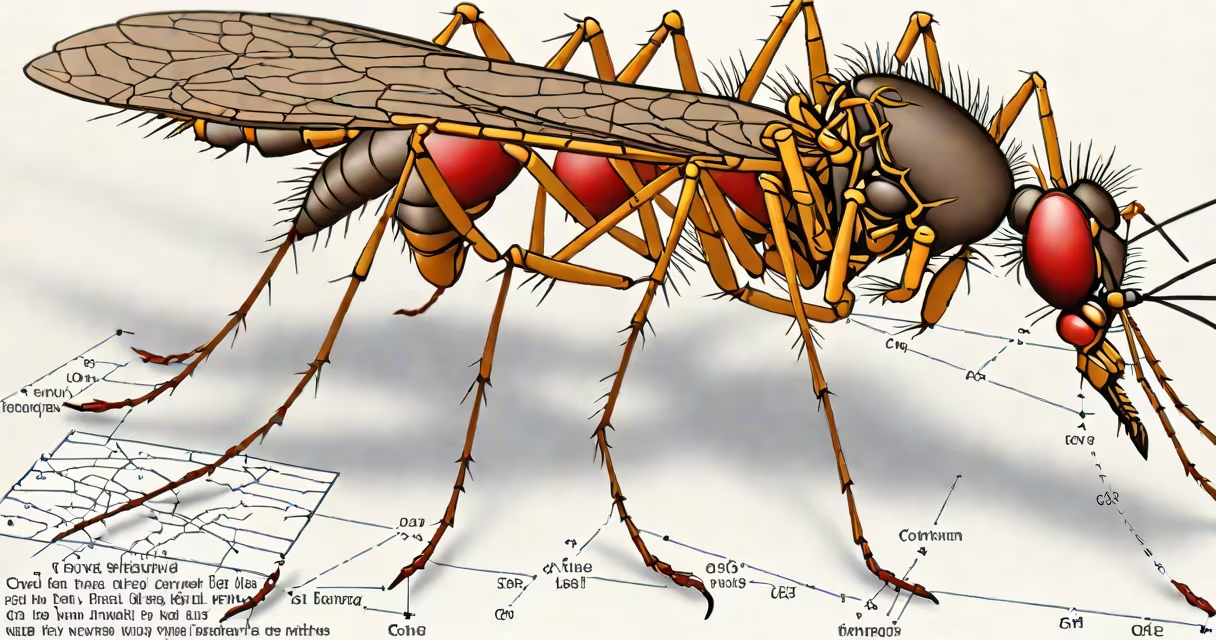
A mosquito bite can trigger localized reactions like itching and swelling, but it may also transmit serious diseases such as malaria, dengue fever, and West Nile virus. These illnesses are caused by pathogens carried by certain species of mosquitoes, particularly Anopheles, Aedes, and Culex.
When a female mosquito bites, it injects saliva to prevent blood clotting. This saliva contains proteins that trigger immune responses in humans, leading to inflammation and itchiness. Most people experience mild discomfort, but in rare cases, the bite can lead to severe allergic reactions or the transmission of life-threatening infections.
The World Health Organization (WHO) estimates that mosquito-borne diseases cause over 700,000 deaths annually, with malaria accounting for nearly 600,000 of those. The CDC confirms that mosquitoes are responsible for more human deaths than any other animal, primarily due to disease transmission rather than the bite itself.
Upon biting, a mosquito uses its proboscis to pierce the skin and draw blood. During this process, it releases saliva containing anticoagulants and immunomodulatory compounds. These substances interfere with the host's clotting system and suppress local immune activity, allowing the mosquito to feed undisturbed.
The human body detects these foreign proteins and mounts an inflammatory response. Histamine release leads to redness, swelling, and intense itching within minutes to hours. This reaction typically peaks within 24-48 hours and resolves on its own in most individuals.
For some people, especially children or those with heightened immune sensitivity, the reaction can extend beyond the bite site. Swelling may reach several centimeters in diameter, and in rare cases, systemic symptoms like fever or fatigue occur. The CDC notes that such widespread reactions are uncommon but require medical evaluation if they persist.
Not all mosquitoes carry disease. Only specific species are vectors for pathogens. The most significant threats come from:
| Disease | Primary Vector | Geographic Range | Key Symptoms |
|---|---|---|---|
| Malaria | Anopheles mosquito | Tropical and subtropical regions | Fever, chills, sweating, anemia |
| Dengue | Aedes aegypti | Urban areas in tropical zones | High fever, severe headache, joint pain |
| West Nile Virus | Culex pipiens | North America, Europe, parts of Asia | Flu-like illness, neurological complications in 1% of cases |
| Zika Virus | Aedes albopictus | Central and South America, Caribbean | Mild fever, rash, conjunctivitis; linked to microcephaly in newborns |
These diseases are not transmitted through casual contact. Transmission requires a mosquito to feed on an infected person and then bite someone else. The incubation period varies: dengue symptoms appear 4-10 days after the bite, while malaria can take 7-30 days to manifest.
One lesser-known fact is that some individuals develop delayed-onset reactions. A 2021 study published in *The Journal of Allergy and Clinical Immunology* documented cases where patients experienced severe swelling and blistering up to 72 hours after a bite, even in previously unaffected individuals. This suggests that immune memory can amplify responses over time.
Many people assume that any red, swollen bump after a bug bite is a sign of infection. However, a typical mosquito bite presents as a small, raised, intensely itchy lesion with a central puncture mark. It usually resolves within 3-7 days without treatment.
Confusion arises when bites resemble spider bites or insect stings. Unlike mosquito bites, which are often isolated, multiple bites tend to cluster in exposed areas like arms, legs, and neck. Spider bites typically cause sharp pain and may result in necrotic tissue, while stings from wasps or bees involve immediate burning and swelling at the site.
Another misconception is that all mosquitoes bite humans. Male mosquitoes do not feed on blood. They consume nectar and play no role in disease transmission. Only females bite, and their feeding behavior is driven by the need for protein to develop eggs.
In 2022, a 34-year-old woman in Florida reported a mosquito bite on her ankle during a weekend trip. She initially dismissed it as a minor irritation. By Day 3, the area swelled to twice its original size, turned purple, and became warm to touch. She developed a low-grade fever and fatigue.
She sought care at a local clinic. Blood tests revealed elevated inflammatory markers. After ruling out bacterial infection, doctors diagnosed a delayed hypersensitivity reaction to mosquito saliva. Treatment included oral antihistamines and topical corticosteroids. Symptoms improved within five days.
This case illustrates that while most reactions are mild, some individuals experience prolonged or severe responses. The CDC recommends seeking medical attention if swelling spreads beyond the bite site, if fever develops, or if signs of infection appear.
Preventing mosquito bites reduces exposure to both irritation and disease. Use EPA-approved repellents containing DEET, picaridin, or oil of lemon eucalyptus. Wear long sleeves and pants during peak mosquito hours (dusk to dawn). Install window screens and use bed nets in high-risk areas.
If bitten, avoid scratching to prevent secondary infection. Clean the area with soap and water. Apply cold compresses to reduce swelling. Over-the-counter antihistamines or hydrocortisone cream can relieve itching.
Understanding what a mosquito bite can cause helps distinguish normal reactions from warning signs of serious illness. Awareness and timely action prevent complications, especially in regions where vector-borne diseases are endemic.