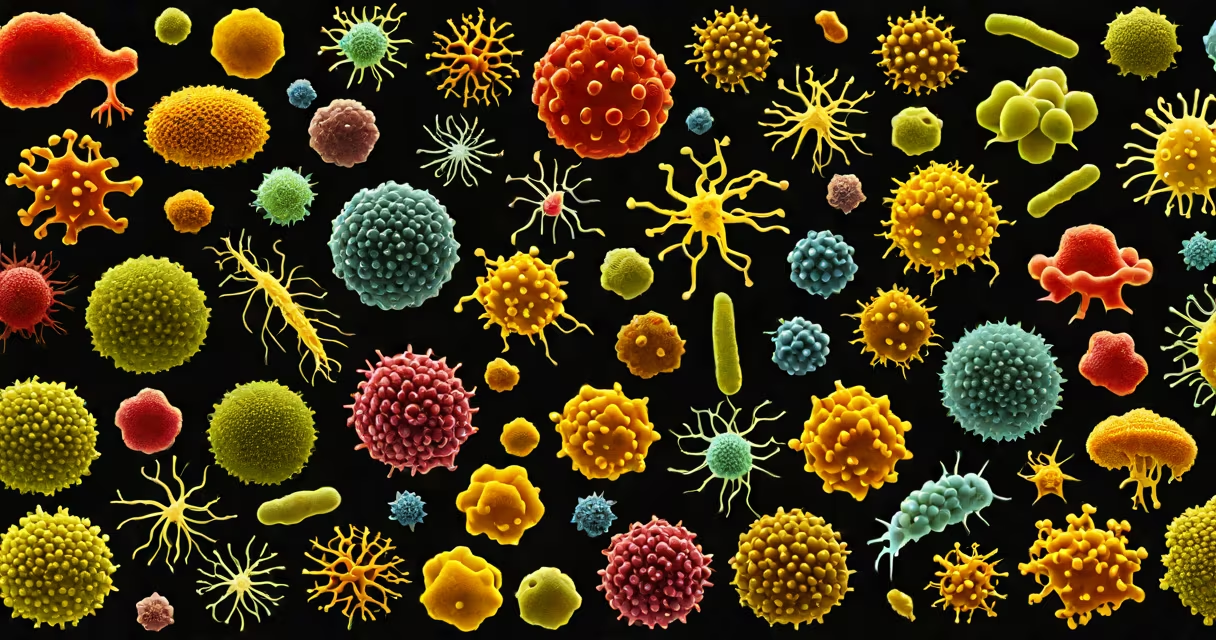
Pathogens are microorganisms or agents that cause disease in their hosts. They include bacteria, viruses, fungi, parasites, and prions-each with distinct structures, modes of transmission, and mechanisms of infection. Understanding these differences is essential for accurate diagnosis, effective treatment, and public health prevention.
Pathogens invade host tissues, evade immune responses, and disrupt normal cellular functions. They may produce toxins, replicate rapidly, or alter host cell behavior. For example, *Vibrio cholerae* releases a toxin that causes severe diarrhea by overactivating intestinal fluid secretion. This leads to rapid dehydration and can be fatal without rehydration therapy.
Host factors such as age, nutrition, and underlying conditions influence disease severity. A healthy adult may clear a mild *Streptococcus pyogenes* infection with antibiotics, while an immunocompromised person could develop invasive strep infections requiring hospitalization.
Transmission routes vary: airborne (influenza), fecal-oral (norovirus), vector-borne (malaria via mosquitoes), or direct contact (herpes simplex). Knowing the route informs control measures like hand hygiene, insect repellent, or isolation protocols.
Pathogens fall into five major categories based on biological structure and replication method. Each has unique traits that affect detection, treatment, and prevention strategies.
| Type | Size Range | Replication Method | Common Examples | Treatment Options |
|---|---|---|---|---|
| Bacteria | 0.5-5 micrometers | Binary fission (cell division) | Salmonella, Mycobacterium tuberculosis, Neisseria gonorrhoeae | Antibiotics (e.g., azithromycin, ciprofloxacin) |
| Viruses | 20-400 nanometers | Host cell hijacking (replicate using host machinery) | Influenza A, HIV-1, SARS-CoV-2 | Antivirals (e.g., oseltamivir, remdesivir); vaccines |
| Fungi | 2-100 micrometers | Spore formation and hyphal growth | Candida albicans, Aspergillus fumigatus, Cryptococcus neoformans | Antifungals (e.g., fluconazole, amphotericin B) |
| Parasites | Variable (microscopic to visible) | Complex life cycles involving multiple hosts | Plasmodium falciparum (malaria), Toxoplasma gondii, Giardia lamblia | Antiparasitics (e.g., artemether-lumefantrine, metronidazole) |
| Prions | Not cellular; protein-only | Abnormal folding of host proteins | PrPSc causing Creutzfeldt-Jakob disease, kuru | No known cure; supportive care only |
Bacteria are single-celled prokaryotes with rigid cell walls. They reproduce quickly through binary fission and are susceptible to antibiotics that target cell wall synthesis or protein production. *Mycobacterium tuberculosis*, for instance, resists many drugs due to its waxy cell wall, requiring multi-drug regimens lasting six months.
Viruses lack metabolic machinery and depend entirely on host cells. They inject genetic material (DNA or RNA) and redirect the cell's resources to make copies of themselves. Influenza viruses mutate frequently, leading to seasonal strains that necessitate annual vaccine updates.
Fungi grow as molds or yeasts and thrive in moist environments. *Candida albicans* causes oral thrush in people with weakened immunity or those on long-term antibiotics. Antifungal resistance is rising, especially in hospital settings.
Parasites often have complex life cycles. *Plasmodium falciparum*, responsible for deadly malaria, cycles between mosquitoes and humans. Infection begins when an infected mosquito bites a human, releasing sporozoites into the bloodstream. These travel to the liver, multiply, and then infect red blood cells, causing fever and hemolysis.
Prions are misfolded proteins that induce normal brain proteins to adopt the abnormal shape. This creates aggregates that destroy neurons. Unlike other pathogens, prions resist standard sterilization methods like autoclaving and formaldehyde exposure. Prion diseases are invariably fatal and currently untreatable.
Many people confuse pathogens with toxins or allergens. Toxins are molecules produced by pathogens (e.g., botulinum toxin from *Clostridium botulinum*) but are not alive. Allergens trigger immune overreactions and do not cause infection.
A frequent error is assuming all microbes are harmful. The human microbiome contains trillions of beneficial bacteria in the gut, skin, and mouth. These support digestion, train the immune system, and prevent colonization by harmful species. Disrupting this balance with broad-spectrum antibiotics increases risk of secondary infections like *Clostridioides difficile* colitis.
Another misunderstanding is equating viral infections with antibiotic use. Antibiotics only work against bacteria. Using them for viral illnesses like the common cold or influenza contributes to antimicrobial resistance. According to the CDC, over 2.8 million antibiotic-resistant infections occur annually in the U.S., resulting in more than 35,000 deaths.
In 2019, a 67-year-old man presented with fever, confusion, and a stiff neck. Initial tests showed elevated white blood cells and positive CSF Gram stain for gram-positive rods. He was diagnosed with bacterial meningitis caused by *Listeria monocytogenes*.
Despite prompt treatment with intravenous ampicillin and gentamicin, his condition worsened. Further testing revealed concurrent *Toxoplasma gondii* infection in the brain, confirmed by MRI and serology. His immune system had been suppressed by long-term corticosteroid use for rheumatoid arthritis.
This case illustrates how a single patient can harbor multiple pathogens from different categories. *Listeria* is a bacterium that crosses the blood-brain barrier; *Toxoplasma* is an intracellular parasite that causes encephalitis in immunocompromised individuals. Treatment required both antibacterial and antiparasitic therapy, highlighting the need for precise pathogen identification.
Misidentifying a pathogen leads to ineffective or harmful interventions. Treating a fungal pneumonia with antibiotics delays proper antifungal therapy and increases mortality. Similarly, giving antivirals to someone with a bacterial infection wastes resources and promotes resistance.
Diagnostic tools include culture, antigen testing, PCR, and serology. For example, polymerase chain reaction (PCR) detects viral DNA/RNA with high sensitivity. A single test can identify SARS-CoV-2 in under two hours, enabling rapid isolation and containment.
Public health surveillance relies on accurate pathogen classification. During the 2020 pandemic, genomic sequencing of SARS-CoV-2 variants helped track transmission chains and assess vaccine efficacy. The World Health Organization designated Alpha, Beta, Delta, and Omicron variants based on mutations affecting transmissibility and immune escape.
Understanding the different types of pathogens enables better clinical decisions, targeted therapies, and effective outbreak response. Whether dealing with a routine urinary tract infection caused by *Escherichia coli* or investigating a rare prion disease, knowing the pathogen category guides action.