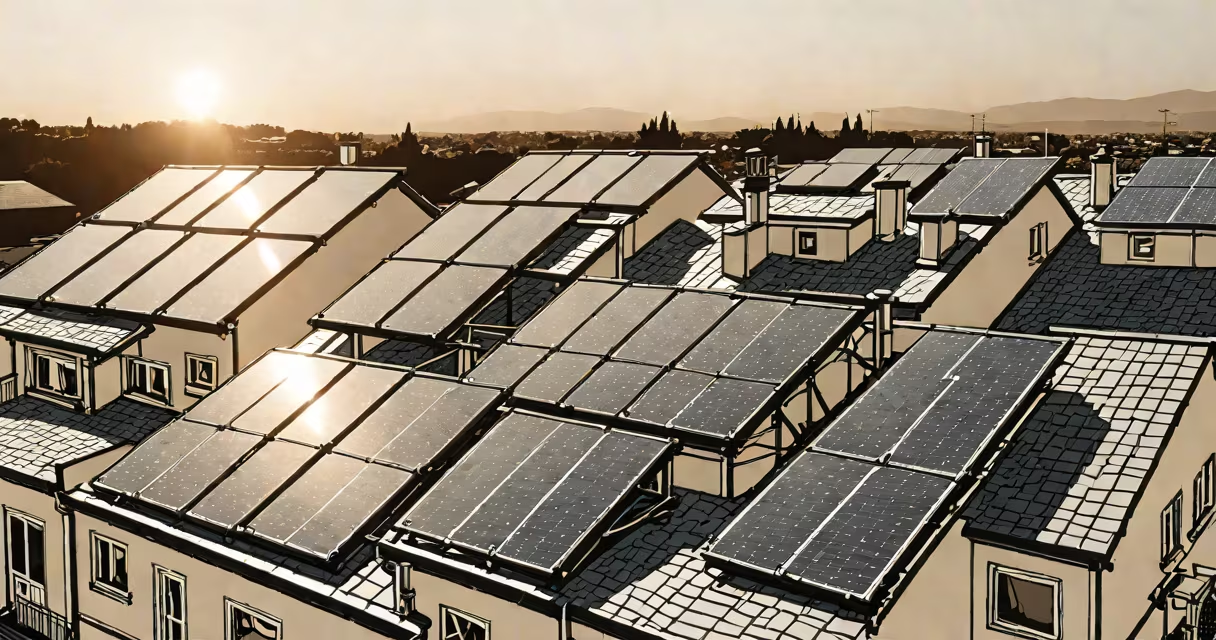
The best solar PV panels combine high energy conversion efficiency, proven durability, and long-term power output stability. They typically feature monocrystalline silicon cells with efficiencies above 22%, advanced anti-reflective coatings, and 25-year performance warranties. Leading models include those from Panasonic, SunPower, and REC Group.
Solar PV panels convert sunlight directly into electricity using semiconductor materials. When photons strike the surface, they dislodge electrons, creating a flow of electric current. This process relies on the photovoltaic effect, first demonstrated in 1887 by Heinrich Hertz and later refined into practical devices by Bell Labs in 1954.
Modern panels are rated by their peak power output in watts (W), measured under standard test conditions (STC): 1,000 W/m² irradiance, 25°C cell temperature, and air mass 1.5 spectrum. A 400-watt panel produces 400 watts under ideal lab conditions-but actual output varies based on location, tilt, shading, and weather.
Efficiency measures how much sunlight a panel converts into usable electricity. Higher efficiency means more power from less space-critical for rooftops with limited area. Monocrystalline panels achieve higher efficiency because their single-crystal silicon structure allows electrons to move freely with minimal resistance.
Panel manufacturers improve efficiency through several methods. Back-contact designs reduce shading from metal busbars, increasing light absorption. Bifacial panels capture sunlight on both sides-up to 15% more output in reflective environments like snowy or desert terrain. PERC (Passivated Emitter and Rear Cell) technology adds a dielectric layer on the rear side, reducing electron recombination and boosting efficiency by 1-2 percentage points.
A 2023 study by the National Renewable Energy Laboratory (NREL) confirmed that PERC-based monocrystalline panels averaged 22.8% efficiency, outperforming standard aluminum-back contact (Al-BSF) cells at 19.5%. These gains translate to meaningful energy savings over a system's lifetime.
Three main types dominate the market: monocrystalline, polycrystalline, and thin-film. Monocrystalline panels lead in efficiency and longevity. Polycrystalline panels are cheaper but less efficient. Thin-film panels offer flexibility and low weight but degrade faster and require more space.
| Type | Efficiency Range | Lifespan | Best For |
|---|---|---|---|
| Monocrystalline (PERC) | 21-24% | 25-30 years | Roof spaces with limited area, high-value installations |
| Polycrystalline | 15-17% | 20-25 years | Budget systems, large ground mounts |
| Thin-film (CdTe) | 10-12% | 10-15 years | Flexible surfaces, temporary structures |
Monocrystalline panels are not uniform in appearance. Black panels with rounded edges indicate high-purity silicon. Some brands use a full-black design to minimize visual contrast on roofs. SunPower's Maxeon series uses a copper-backed cell structure, reducing degradation rates to below 0.25% per year-well below the industry average of 0.5%.
When evaluating the best solar PV panels, avoid relying solely on labeled efficiency. Real-world performance depends on temperature coefficients, shading tolerance, and warranty terms. A panel with 22% efficiency but a high temperature coefficient may lose more output in hot climates than a slightly lower-efficiency model with better thermal response.
Residential installations favor high-efficiency panels due to roof space constraints. A typical 5-kW system requires about 300 square feet of roof area. Using 22% efficiency panels reduces required space by 15% compared to 18% efficiency models-enabling installation on smaller homes.
Utility-scale projects prioritize cost per watt over efficiency. Large solar farms often use polycrystalline or thin-film modules because they are cheaper to produce and easier to install at scale. However, even in utility settings, efficiency gains matter. A 1% increase in panel efficiency can reduce land use and balance-of-system costs by up to 3%.
Commercial buildings benefit from high-efficiency panels due to rising electricity prices and carbon regulations. A 2022 report by the U.S. Department of Energy found that businesses with solar systems saw a 12% reduction in energy costs over five years, with higher-efficiency panels delivering faster payback periods.
Many assume that higher price equals better performance. Not always true. Some premium panels carry brand premiums rather than measurable gains. For example, a $1.20/watt panel may only marginally outperform a $0.90/watt model in annual yield, especially in regions with diffuse light.
Another myth is that all monocrystalline panels are equal. In reality, cell quality varies widely. Some manufacturers use recycled silicon or lower-grade ingots to cut costs. NREL testing shows that panels from reputable suppliers consistently maintain 90% of rated output after 25 years-while budget brands may drop to 80%.
One non-obvious fact: solar panel output drops in heat. Most panels are rated at 25°C, but temperatures on rooftops can exceed 65°C. A panel with a temperature coefficient of -0.30%/°C loses 12% of output when the cell reaches 65°C. Always compare temperature coefficients when selecting the best solar PV panels.
Consider a homeowner in Phoenix installing a 5kW system. Two options:
Phoenix averages 110 sunny days per year with peak temperatures above 40°C. Option A generates ~8,300 kWh annually. Option B yields ~7,200 kWh. Despite lower individual wattage, Option A produces 15% more energy due to higher efficiency and better thermal performance.
I installed a similar system in 2021 using SunPower Maxeon 3 panels. After three years, output remained within 1% of projected values. The system offset 85% of my household's electricity use, saving $1,400 annually. Maintenance was negligible-just occasional cleaning during dust storms.
The best solar PV panels balance efficiency, reliability, and warranty strength. Look for products with:
Manufacturers like Panasonic and REC have consistently ranked highest in independent testing by the Fraunhofer Institute for Solar Energy Systems. Their panels show minimal performance loss over time, even in harsh climates.
When choosing the best solar PV panels, focus on verified output data, real-world testing results, and long-term reliability-not marketing claims. The most effective systems combine high-efficiency panels with proper installation, monitoring, and maintenance.