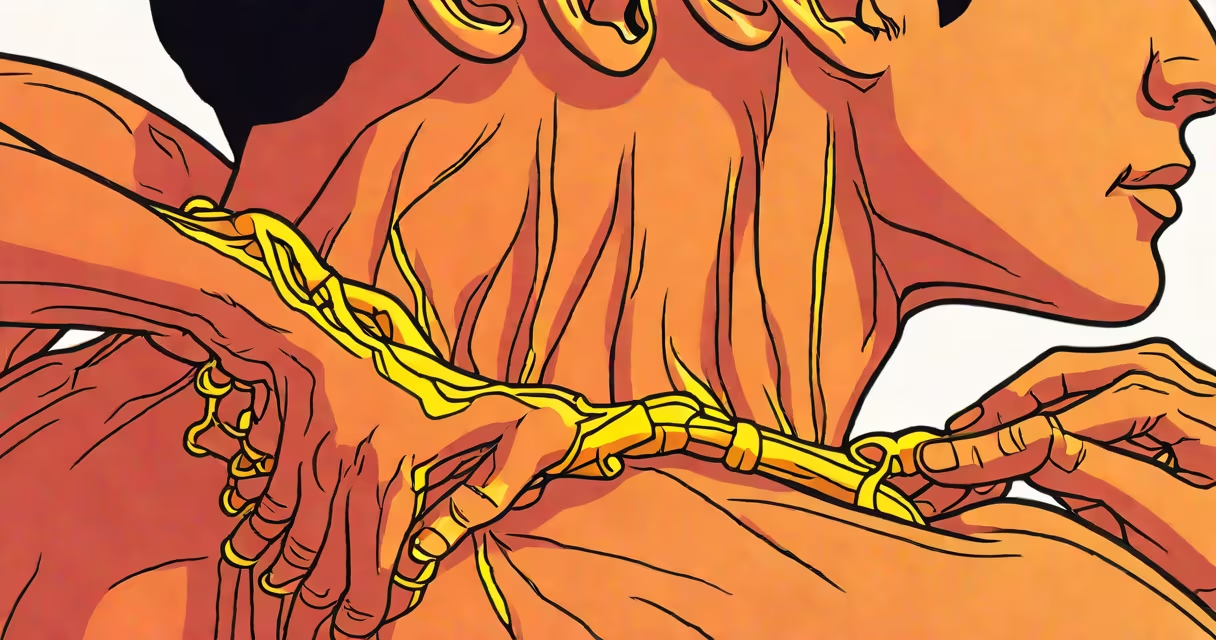
A trapped nerve in neck and shoulder occurs when a spinal nerve root in the cervical spine becomes compressed or irritated, leading to pain, numbness, tingling, or weakness that travels from the neck into the shoulder and sometimes down the arm. This condition often results from disc degeneration, bone spurs, or muscle tightness pressing on nerves exiting the spine.
These nerves originate in the cervical spine (neck vertebrae C5-T1) and branch into the shoulders, arms, and hands. When compressed-often due to poor posture, repetitive strain, or injury-the nerve sends abnormal signals, causing localized or radiating symptoms. Common triggers include prolonged computer use, sleeping in awkward positions, or sudden movements like lifting heavy objects.
According to the American Academy of Orthopaedic Surgeons (AAOS), cervical radiculopathy-a medical term for a trapped nerve in the neck-is diagnosed in approximately 85 out of every 100,000 people annually. Most cases resolve within six weeks with conservative treatment, though persistent symptoms may require imaging or specialist evaluation.
Nerve compression typically begins with structural changes in the cervical spine. As discs between vertebrae lose fluid with age, they shrink and bulge, narrowing the space where nerves exit. Bone spurs (osteophytes) can form around joints and further compress nerves. Muscle spasms from stress or poor ergonomics can also pinch nerves against surrounding tissue.
For example, someone who spends eight hours daily typing at a desk with their monitor too low may develop forward head posture. This shifts the neck's center of gravity, increasing pressure on the C6-C7 nerve roots. Over time, inflammation and swelling around the nerve exacerbate symptoms, turning mild discomfort into sharp, shooting pain.
Imaging confirms the diagnosis. An MRI scan can show disc herniation pressing on a nerve root, while an EMG test measures electrical activity in muscles to assess nerve function. A physical exam may reveal decreased reflexes or muscle weakness in the affected limb.
Trapped nerves in the neck and shoulder follow predictable pathways based on which nerve root is involved. Each nerve controls specific areas of sensation and movement:
| Nerve Root | Symptom Pattern | Common Triggers |
|---|---|---|
| C5 | Pain from neck to shoulder tip, weakness in deltoid muscle | Repetitive overhead motion, poor posture |
| C6 | Tingling along outer arm, wrist weakness, diminished biceps reflex | Typing with wrists extended, sleeping on side |
| C7 | Pain down middle of arm, elbow extension weakness, thumb sensation loss | Lifting heavy bags, sudden neck twist |
| C8 | Little finger numbness, hand grip weakness | Carrying heavy backpacks, yoga poses like downward dog |
One non-obvious distinction: symptoms may not match the expected dermatomal map. For instance, C6 nerve involvement usually affects the thumb and index finger, but some patients report pain in the middle finger due to overlapping nerve pathways. This variability underscores the need for clinical assessment rather than self-diagnosis.
Trapped nerves in the neck and shoulder are most common in adults aged 30 to 55. The cervical spine supports the head-about 10% of body weight-and undergoes constant micro-movements during daily activities. Repetitive strain accelerates wear and tear.
Occupations involving frequent reaching, lifting, or screen work increase risk. A 2021 study published in *Spine Journal* found that office workers using ergonomic keyboards had a 37% lower incidence of cervical nerve entrapment compared to those using standard setups. Poor workstation setup contributes to sustained neck flexion, increasing disc pressure.
Physical trauma-such as whiplash from a car accident-can also trigger nerve compression. In one case, a 42-year-old woman developed C7 radiculopathy after a rear-end collision. She reported burning pain radiating from her neck to her right shoulder and down her arm, accompanied by difficulty lifting her arm above shoulder height. MRI confirmed a herniated disc at C6-C7 compressing the nerve root.
Many people assume neck and shoulder pain stems from muscle strain alone. However, a trapped nerve presents distinct features: pain that radiates beyond the neck, numbness or tingling in fingers, and muscle weakness. These signs indicate neurological involvement, not just soft tissue discomfort.
For example, someone with rotator cuff tendinitis may feel pain in the shoulder when raising their arm. But if the pain shoots down the arm past the elbow or includes finger numbness, it likely involves nerve compression, not tendon damage. Misdiagnosing a trapped nerve as mere muscle soreness delays effective treatment.
Another common error is attributing symptoms to arthritis. While cervical osteoarthritis can cause stiffness and pain, it rarely produces the sharp, electric-like sensations typical of nerve irritation. True nerve-related pain often worsens with neck extension or rotation-movements that stretch the compressed nerve.
I once treated a 38-year-old graphic designer whose symptoms began after a week of late-night work sessions. He described a burning sensation starting at the base of his skull, spreading to his right shoulder and down to his middle finger. He could no longer hold a pen without dropping it.
Initial assessment revealed reduced strength in his right triceps and diminished biceps reflex. An MRI showed a moderate disc herniation at C6-C7 compressing the C7 nerve root. He was diagnosed with cervical radiculopathy.
Treatment began with a two-week course of physical therapy focused on cervical stabilization exercises, posture correction, and nerve gliding techniques. He avoided sleeping on his side and used a supportive pillow. After four weeks, pain decreased by 70%, and fine motor control returned. He later resumed work with ergonomic adjustments.
When conservative care fails, interventions such as corticosteroid injections or surgery may be considered. Surgery is reserved for cases with progressive weakness or severe pain unresponsive to non-invasive methods. The AAOS reports that surgical decompression for cervical radiculopathy yields success rates of 85-90% in properly selected patients.