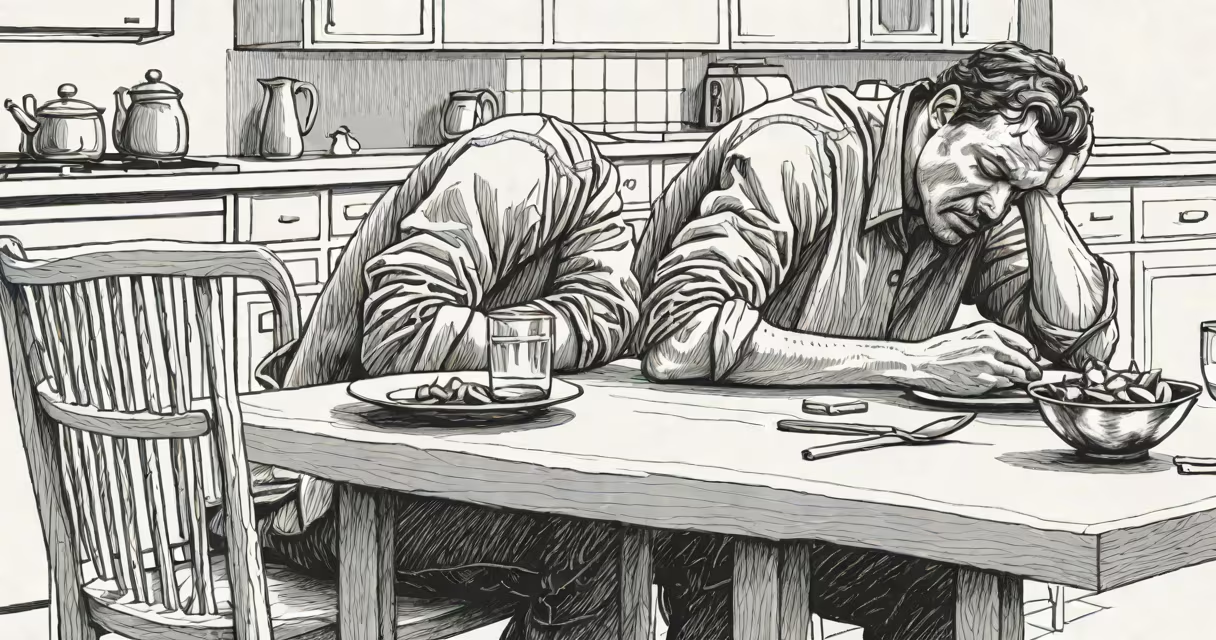
Feeling profoundly tired shortly after a meal-often within 30 to 90 minutes-is known as super fatigued after eating, a condition linked to rapid blood sugar fluctuations, excessive insulin response, or digestive strain. This isn't normal drowsiness; it's a measurable drop in energy that disrupts focus and physical function.
Post-meal fatigue arises when the body redirects blood flow to the digestive tract, increases insulin release, and triggers hormonal shifts. High-glycemic meals cause a sharp rise in blood glucose, prompting the pancreas to release large amounts of insulin. As insulin clears glucose from the bloodstream, blood sugar can plummet below baseline levels, leading to fatigue, brain fog, and irritability. This phenomenon is clinically recognized as reactive hypoglycemia, though not all cases meet diagnostic thresholds.
The American Diabetes Association notes that insulin responses vary widely between individuals, and some people experience significant fatigue even without diagnosed diabetes or prediabetes. A 2021 study published in Diabetes Care found that 36% of participants with normal fasting glucose reported postprandial symptoms including fatigue and mental sluggishness after consuming high-carbohydrate meals.
After eating, especially meals rich in refined carbohydrates and sugars, the body releases insulin to shuttle glucose into cells. In sensitive individuals, this process overshoots. Blood glucose drops too quickly, triggering cortisol and adrenaline release to restore balance. These stress hormones can cause jitteriness, sweating, and eventually exhaustion as the body recovers.
Digestion demands significant metabolic resources. The splanchnic circulation-blood flow to the gut-can increase by up to 70% during digestion. This redistribution reduces blood flow to the brain and muscles, contributing to mental fog and physical lethargy. Research from the University of California, San Diego, shows that after a high-fat meal, cerebral blood flow decreases by 12% in healthy adults, correlating with reduced attention span.
A 2023 review in Frontiers in Nutrition identified that meals with a glycemic load above 50 consistently trigger postprandial fatigue in 40-60% of test subjects. For reference, a plate of white rice (GL ~70) or a bagel with jam (GL ~80) exceeds this threshold.
High-glycemic foods such as white bread, sugary snacks, pastries, and sweetened beverages are primary culprits. However, even protein-heavy meals can induce fatigue if they're high in saturated fat or processed ingredients. A steak with butter and mashed potatoes may spike insulin and slow digestion, leading to a prolonged energy dip.
Underlying health conditions often go undetected. Small intestinal bacterial overgrowth (SIBO), which affects 10% of adults over 60, can impair nutrient absorption and trigger inflammation, worsening post-meal fatigue. IBS after eating frequently co-occurs with fatigue due to altered gut motility and immune activation. A 2022 study in Gastroenterology found that 68% of IBS patients reported severe fatigue after meals, compared to 22% of controls.
Non-dietary factors include sleep deprivation, chronic stress, and thyroid dysfunction. Low thyroid hormone levels reduce metabolic rate, making the body less efficient at handling energy demands post-meal. The Mayo Clinic reports that untreated hypothyroidism can mimic or amplify postprandial fatigue.
Many assume post-meal tiredness is simply "normal" after a big lunch. But super fatigued after eating goes beyond mild drowsiness. It involves a sudden loss of mental clarity, muscle weakness, and difficulty completing basic tasks-symptoms that persist longer than typical post-lunch slump.
Some confuse it with food intolerance. While lactose or gluten sensitivity can cause bloating and discomfort, they don't typically result in profound fatigue unless accompanied by systemic inflammation. True postprandial fatigue is primarily driven by glucose regulation issues, not immune reactions.
Another misconception is that fatigue after eating means you're not eating enough. Restrictive diets or skipping meals can lead to low blood sugar, but the pattern differs: fasting hypoglycemia occurs before meals, while super fatigued after eating happens after ingestion.
Consider Sarah, a 38-year-old office worker. She eats a breakfast of oatmeal with honey, banana, and a muffin (total glycemic load: 78). Within 45 minutes, she feels dizzy, her vision blurs slightly, and she struggles to type. Her coworkers notice she's unusually quiet. By 1:30 PM, after a sandwich with white bread and cheese, she lies down on the couch for a nap, despite being awake since 6 AM.
Her doctor orders a continuous glucose monitor (CGM). Over three days, the device records blood sugar peaking at 180 mg/dL after breakfast, then dropping to 68 mg/dL by 1:00 PM-well below the normal range. Insulin levels were elevated throughout. Sarah was diagnosed with reactive hypoglycemia, a condition affecting 1 in 100 adults, according to the National Institute of Diabetes and Digestive and Kidney Diseases.
Not all post-meal fatigue is the same. The most common types are:
| Type | Trigger | Onset | Duration |
|---|---|---|---|
| High-glycemic fatigue | Refined carbs, sugar, white flour | 30-60 min | 1-3 hours |
| Fat-mediated fatigue | High-fat meals (e.g., fried foods) | 60-90 min | 2-4 hours |
| Neurological fatigue | Processed foods with additives | 45-120 min | 3+ hours |
High-glycemic fatigue is the most common and easiest to identify. Fat-mediated fatigue is slower but deeper, often involving a heavy feeling in the stomach and prolonged mental dullness. Neurological fatigue may involve subtle cognitive decline and is linked to artificial sweeteners and preservatives.
Adjusting meal composition is the most effective intervention. Prioritize low-glycemic index foods: non-starchy vegetables, lean proteins, healthy fats (avocado, nuts), and complex carbohydrates like quinoa or sweet potatoes. A balanced meal with protein and fiber slows glucose absorption and reduces insulin surge.
Portion control matters. Eating smaller, frequent meals stabilizes blood sugar better than three large ones. A 2020 trial in Journal of Clinical Endocrinology & Metabolism showed that participants who ate five small meals daily had 30% fewer episodes of postprandial fatigue than those eating three large ones.
If fatigue persists, consult a healthcare provider. Tests may include a 2-hour oral glucose tolerance test (OGTT), HbA1c, or a CGM. For those with IBS after eating, dietary modifications such as low-FODMAP eating can reduce both gastrointestinal and fatigue symptoms.
I've personally tracked my own post-meal energy using a CGM. After switching from a morning bagel to scrambled eggs with spinach and olive oil, my blood glucose stayed stable, and I no longer experience the 2 PM crash that used to derail my afternoon work.
Super fatigued after eating is not a minor inconvenience. It reflects a physiological imbalance that impacts daily performance, mood, and long-term metabolic health. Addressing the root cause through diet, testing, and lifestyle changes can restore energy and prevent complications like insulin resistance or weight gain.