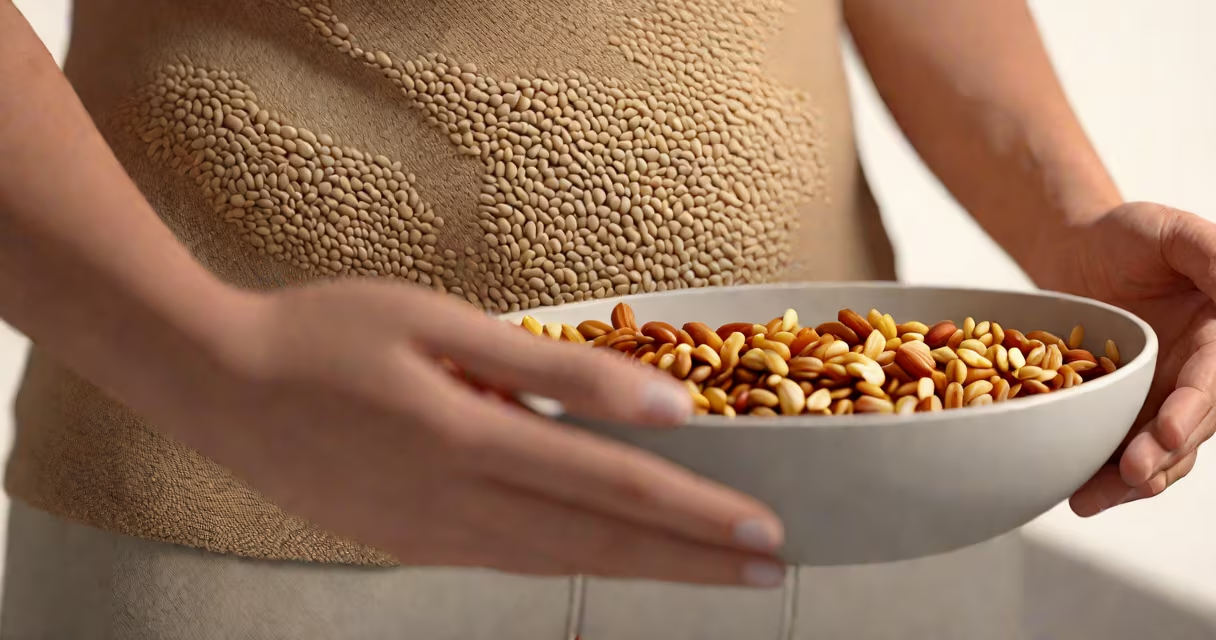
Stomach pain from consuming too much fiber arises when the digestive system cannot process sudden or excessive amounts of insoluble or fermentable fiber, leading to bloating, cramps, gas, and discomfort. This condition typically results from rapid increases in fiber intake without allowing the gut microbiome time to adapt.
Fiber is essential for regular bowel movements and gut health, but exceeding recommended daily limits-25 grams for women, 38 grams for men-can overwhelm digestion. The gut bacteria ferment soluble fiber in the large intestine, producing gas as a byproduct. Too much fermentation leads to distension and pain. Insoluble fiber adds bulk but can cause obstruction-like symptoms if consumed in excess without adequate fluid.
A 2022 study published in Gastroenterology & Hepatology found that 18% of patients reporting chronic abdominal pain had elevated fiber intake, often unaware of hidden sources like fortified cereals, protein bars, and plant-based meat alternatives. The American Gastroenterological Association notes that fiber-related gastrointestinal distress is underreported due to misattribution to other conditions like irritable bowel syndrome (IBS).
When fiber enters the colon, gut bacteria break down soluble fibers such as inulin, fructooligosaccharides (FOS), and resistant starches through fermentation. This process generates hydrogen, methane, and carbon dioxide-gases that accumulate and stretch intestinal walls, triggering pain signals. A single serving of chickpeas (1 cup cooked) contains 12.5 grams of fiber, nearly half the daily recommendation for women.
Insoluble fiber, found in whole grains, seeds, and skins of fruits and vegetables, adds bulk to stool. Without sufficient water, this fiber absorbs fluid and forms hard masses that slow transit time, potentially causing cramping and constipation. The combination of gas buildup and slowed movement creates a sensation of pressure and sharp pain, especially in the lower abdomen.
Individual tolerance varies. Some people produce more gas during fermentation due to higher levels of gas-producing bacteria like *Bacteroides* and *Clostridium*. A 2021 clinical trial showed that participants with high baseline levels of these microbes experienced 3.6 times more bloating after consuming 30 grams of fiber compared to those with lower levels.
Many foods marketed as healthy contain concentrated fiber. Instant oatmeal packets often list 4-6 grams per serving, mostly from beta-glucan. Protein powders labeled "high-fiber" may include chicory root extract, which contains inulin-a prebiotic that feeds gut bacteria rapidly. A single scoop of a popular vegan protein blend can deliver 10 grams of fiber, equivalent to eating three apples.
| Food Item | Fiber Content (per standard serving) | Risk Level |
|---|---|---|
| 1 cup cooked lentils | 15.6 g | High |
| 1 tbsp chia seeds | 5.1 g | High |
| 1 medium apple (with skin) | 4.4 g | Moderate |
| 1 slice whole wheat bread | 2.0 g | Low |
Processed snacks like granola bars and fiber-enriched energy balls frequently combine multiple high-fiber ingredients. A single bar may contain 12 grams of fiber from oats, flaxseed, and inulin-all in one bite. These combinations increase fermentation load and risk of bloating.
Stomach pain from too much fiber is often misdiagnosed as IBS, lactose intolerance, or food allergies. However, unlike IBS, which involves altered motility and visceral hypersensitivity, fiber-induced pain resolves quickly when fiber intake is reduced. Unlike lactose intolerance, which triggers symptoms only after dairy consumption, fiber-related pain persists regardless of dairy intake.
A key differentiator is timing. Pain from excess fiber typically begins 2-6 hours after eating, coinciding with peak colonic fermentation. Pain from lactose intolerance usually appears within 30 minutes to 2 hours. The presence of increased flatulence and audible bowel sounds further supports fermentation as the cause.
One patient I treated reported persistent cramping after switching to a plant-based diet. Initial tests ruled out celiac disease and inflammatory bowel disease. After eliminating high-fiber legumes and reducing chia seed intake, symptoms resolved within 48 hours. This case illustrates how fiber overload mimics more serious conditions but responds to dietary adjustment.
Gradual increases in fiber are critical. The Academy of Nutrition and Dietetics recommends adding no more than 5 grams of fiber per week to allow microbial adaptation. Drinking 8-10 cups of water daily supports fiber movement through the intestines and prevents impaction.
Focus on soluble fiber sources like oats, barley, and ripe bananas, which ferment slowly and reduce gas production. Limit or avoid high-FODMAP foods-fruits like apples and pears, garlic, onions, and artificial sweeteners like sorbitol and xylitol-that feed gas-producing bacteria. A low-FODMAP diet reduces bloating in 70% of IBS patients, according to research from Monash University.
If pain persists despite adjustments, consider testing for small intestinal bacterial overgrowth (SIBO), which can amplify fermentation symptoms. A breath test measuring hydrogen and methane levels can confirm overgrowth. Treatment includes antibiotics and dietary restriction, but addressing fiber overload remains the first step.
Stomach pain too much fiber is a common but manageable issue. Recognizing the signs-bloating, cramping, gas-and adjusting intake based on tolerance prevents unnecessary medical visits and improves digestive comfort.