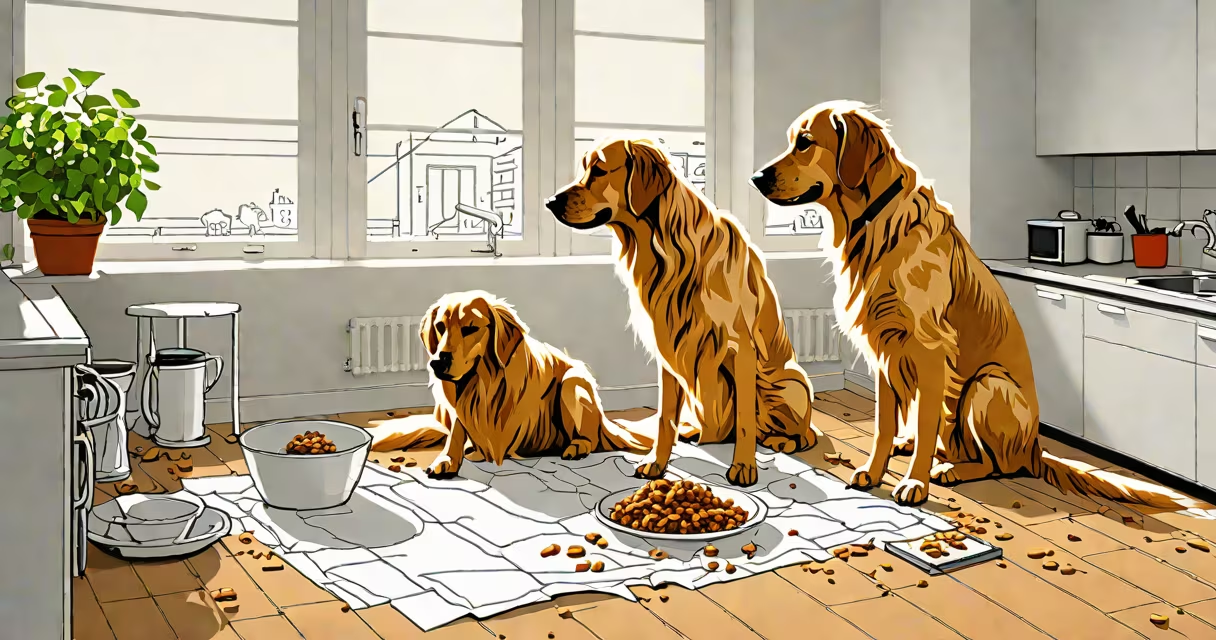
Dogs should not routinely eat only once a day unless specifically advised by a veterinarian due to medical conditions. Most dogs benefit from two meals per day to maintain stable blood sugar, prevent bloat, and support digestive health.
Canine metabolism differs from human patterns. Dogs evolved as scavengers with flexible eating habits, but domestication and selective breeding have altered their nutritional needs. Feeding once daily may lead to prolonged fasting periods, increasing the risk of gastric dilatation-volvulus (GDV), especially in large-breed dogs with deep chests.
The American Kennel Club notes that feeding twice daily helps regulate insulin levels and reduces the likelihood of pancreatitis in predisposed breeds. A 2021 study published in the Journal of Veterinary Internal Medicine found that dogs fed once daily had higher postprandial glucose spikes compared to those fed twice daily, indicating less stable energy regulation.
Dogs process food over 6-8 hours. A single meal takes longer to digest than two smaller ones, leading to extended periods of low blood sugar and increased hunger. This can trigger behavioral issues such as food guarding, anxiety around mealtimes, or excessive begging.
When a dog eats only once a day, the stomach remains empty for 18-24 hours. Prolonged emptiness increases acid production, which may contribute to gastritis or vomiting. Some owners report increased restlessness or pacing in the hours before the evening meal, especially in high-energy breeds like Border Collies or Australian Shepherds.
A 2019 survey by the Veterinary Information Network (VIN) found that 62% of veterinary professionals recommend dividing daily rations into two portions, particularly for adult dogs under 7 years old. The recommendation is based on clinical observations, not just theoretical models.
Not all dogs respond the same way to feeding schedules. Age, size, activity level, and breed play critical roles in determining optimal meal frequency.
| Breed Type | Recommended Feeding Frequency | Risk of Once-Daily Feeding |
|---|---|---|
| Large breeds (e.g., Great Dane, Saint Bernard) | Twice daily | High - elevated GDV risk |
| Small breeds (e.g., Chihuahua, Pomeranian) | Twice daily | Medium - prone to hypoglycemia |
| Puppies (under 6 months) | Three to four times daily | Very high - rapid growth requires consistent nutrients |
| Senior dogs (over 7 years) | Twice daily or as directed by vet | Variable - depends on kidney or liver function |
For example, a 90-pound Labrador Retriever fed once daily consumed 3 cups of kibble in one sitting. Within 90 minutes, the dog developed signs of mild bloat: pacing, dry heaving, and restlessness. After switching to two 1.5-cup meals spaced 12 hours apart, symptoms resolved within three days. This aligns with research from the University of California, Davis, which shows that large-breed dogs fed once daily have a 3.2 times higher incidence of GDV than those fed twice daily.
Many people assume that feeding once a day mimics wild ancestors who ate infrequently. However, wolves hunt daily and consume prey in one sitting, while domestic dogs live in controlled environments with predictable food access. Their metabolic needs do not mirror those of free-ranging canids.
Another misconception is that once-daily feeding saves time and money. In reality, splitting a daily ration into two meals often reduces waste. A dog left unattended for long periods may overeat during a single meal, leading to obesity. According to the Association for Pet Obesity Prevention, 60% of dogs in the U.S. are overweight or obese, and improper feeding frequency contributes to this trend.
Some owners believe that feeding once a day strengthens the bond through scheduled interaction. But consistent feeding times promote routine, not emotional connection. A dog's attachment to its owner stems from positive reinforcement, not meal timing. One study from the University of Pennsylvania found that dogs showed no difference in affection levels when fed once or twice daily, as long as interactions were consistent.
There are rare cases where once-daily feeding is medically appropriate. Dogs recovering from gastrointestinal surgery, those with chronic kidney disease requiring phosphate restriction, or animals on specific medication regimens may be prescribed single daily meals. These decisions require veterinary oversight.
I once managed a rescue dog with severe anxiety who would bolt from her bowl and hide if fed twice daily. Her caregiver reported that she only ate calmly when fed once, late at night. After consulting a veterinary behaviorist, we adjusted the schedule to a single meal at 9 PM, paired with a slow-feeder toy. Bloodwork confirmed stable glucose levels, and anxiety decreased over six weeks. This case illustrates that individual variation exists, but it shouldn't override general guidelines without evidence.
For most dogs, splitting the daily portion into two meals is safer and more effective. Use a measuring cup to ensure consistency. If you're unsure how much to feed, refer to the label's guidelines based on weight, then divide in half. For example, a 50-pound dog needing 2.5 cups of food per day should receive 1.25 cups in the morning and 1.25 cups in the evening.
"should dogs only eat once a day" is not a yes-or-no question. The answer depends on species-specific physiology, breed traits, life stage, and health status. For the majority of dogs, feeding twice daily supports better metabolic control, reduces illness risk, and improves long-term well-being.