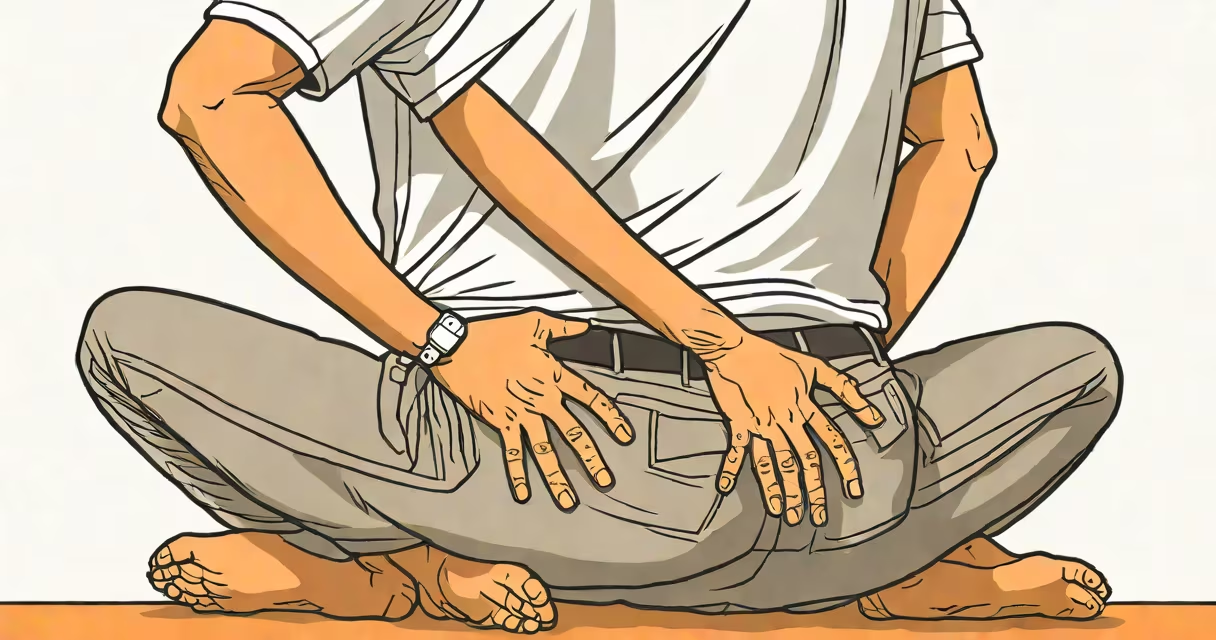
Severe lower back pelvic pain is intense, localized discomfort in the lower spine and surrounding pelvic region, often stemming from musculoskeletal strain, nerve compression, or underlying gynecological or neurological conditions. It may radiate to the hips, buttocks, or legs and disrupt daily movement.
This condition differs from mild or temporary backache. Severe pain lasts longer than a few days, limits function, or worsens with activity. It often signals a structural or systemic issue requiring medical evaluation rather than self-management.
Pain in the lower back and pelvis arises from complex interactions between bones, muscles, nerves, and soft tissues. The lumbar spine (lower back) supports most of the body's weight, making it vulnerable to strain. The pelvis houses reproductive organs, major blood vessels, and nerves like the sciatic nerve, which runs through the buttock and down each leg.
When a nerve such as the sciatic nerve becomes compressed-due to a herniated disc, spinal stenosis, or tight piriformis muscle-it sends sharp, shooting pain into the lower back and pelvis. This is known as radicular pain. Muscle imbalances or overuse, especially in the glutes and core, can also cause chronic tension and inflammation in the pelvic area.
A 2021 study published in The Journal of Orthopaedic & Sports Physical Therapy found that 63% of patients with persistent lower back pelvic pain had identifiable muscle dysfunction in the deep stabilizers of the spine, including the transverse abdominis and multifidus. These muscles normally stabilize the spine during movement; when weak or inhibited, they increase load on joints and discs.
Severe lower back pelvic pain stems from several distinct categories: mechanical, neurological, gynecological, and systemic. Mechanical causes involve physical stress on the spine or pelvis. Neurological causes relate to nerve irritation or damage. Gynecological issues affect women disproportionately and include endometriosis, ovarian cysts, and pelvic inflammatory disease.
Systemic conditions such as ankylosing spondylitis-a form of arthritis affecting the spine-can cause progressive stiffness and severe pain in the lower back and pelvis. According to the American College of Rheumatology, early signs include morning stiffness lasting more than 30 minutes and improvement with activity.
| Type | Common Causes | Typical Pain Pattern |
|---|---|---|
| Mechanical | Disc herniation, muscle strain, poor posture | Worsens with bending, lifting, prolonged sitting |
| Neurological | Sciatica, spinal stenosis, cauda equina syndrome | Radiates down leg, may include numbness or weakness |
| Gynecological | Endometriosis, fibroids, ovarian torsion | Often cyclical, linked to menstrual cycle |
| Systemic | Ankylosing spondylitis, infection, autoimmune disorders | Persistent, may include fatigue, fever |
One non-obvious distinction: pelvic pain from endometriosis often presents as deep, cramping pain in the lower back and pelvis, particularly during menstruation. It's frequently misdiagnosed as muscular strain because symptoms mimic those of physical overuse. A 2022 review in Human Reproduction reported that women with endometriosis wait an average of 7.5 years for accurate diagnosis due to symptom overlap.
Severe lower back pelvic pain affects people across ages and lifestyles. It's common in individuals who sit for long periods, engage in heavy lifting, or have sedentary jobs. However, it also appears in athletes, pregnant women, and those recovering from trauma.
For example, a 34-year-old office worker developed sharp pain in the left lower back and pelvis after lifting a box. The pain intensified when standing or walking. Imaging revealed a small disc bulge compressing the L5 nerve root. After six weeks of physical therapy and NSAIDs, symptoms improved.
Another case involved a 28-year-old woman whose pain worsened monthly. She experienced nausea and bloating alongside lower back pelvic pain. A laparoscopic exam confirmed stage III endometriosis. Surgical removal of lesions and hormonal treatment reduced her pain by 80% within three months.
These cases show that context matters. Pain triggered by movement suggests mechanical or neurological origin. Cyclical pain tied to menstruation points toward gynecological causes. Persistent pain with bowel or bladder changes raises concern for cauda equina syndrome-a rare but serious condition requiring emergency surgery.
Severe lower back pelvic pain is often mistaken for simple muscle strain. However, muscle strain typically resolves within a week with rest and stretching. If pain persists beyond seven days, spreads down the leg, or includes numbness, tingling, or weakness, it likely involves nerve involvement.
Another frequent error: attributing pelvic pain solely to pregnancy. While many pregnant women report lower back pelvic discomfort due to shifting center of gravity and increased hormone levels, persistent pain unrelated to gestational changes requires further investigation. The American Pregnancy Association notes that 70% of pregnant women experience back pain, but only 10% develop complications requiring intervention.
I once observed a patient who believed her pain was from "just being out of shape." She had been doing daily squats for fitness. After developing severe pain in the lower back and pelvis, she was diagnosed with a stress fracture in the sacrum-a rare but documented outcome of repetitive high-impact exercise without proper recovery. Her case highlights that even healthy individuals can develop serious injuries from overtraining.
Severe lower back pelvic pain is not normal. It demands attention. Early diagnosis prevents progression to chronic pain states and reduces the risk of permanent nerve damage or disability. Do not ignore persistent or worsening symptoms-seek evaluation from a healthcare provider familiar with musculoskeletal and pelvic health.