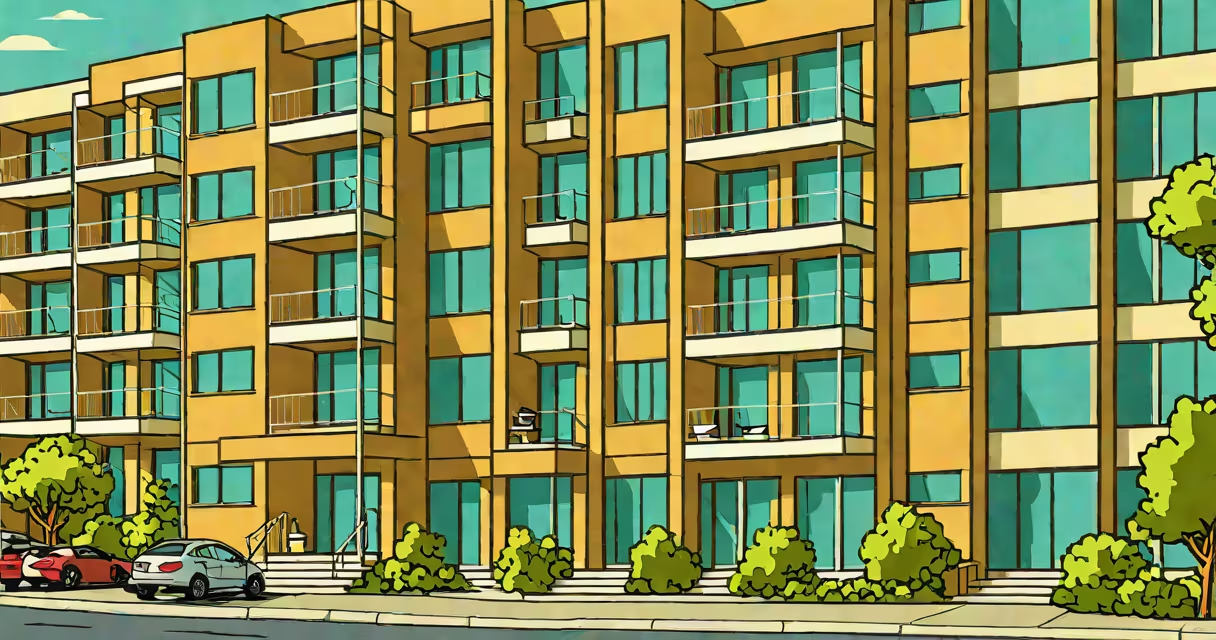
Real estate for rent is property-residential or commercial-leased to individuals or businesses under a legally binding agreement that allows temporary use in exchange for regular payments. It includes apartments, houses, office spaces, retail units, and industrial warehouses available through landlords or property managers.
Rental arrangements are governed by state laws and lease contracts. A typical lease lasts 6 to 12 months, though shorter or longer terms exist. Rent is paid monthly, often due on the first of each month. Failure to pay may trigger eviction proceedings, which vary by jurisdiction.
Landlords can be individuals, investment firms, or REITs (real estate investment trusts). Tenants include students, young professionals, families, and business owners. Rental markets differ by region-urban areas have higher demand and prices, while rural locations offer lower rents but fewer options.
When a property is listed for rent, the owner or manager posts details online or through local agents. Listings include photos, square footage, amenities, rent amount, security deposit requirements, and move-in dates. Prospective tenants apply via forms, providing income verification, credit history, and references.
Landlords screen applicants using credit scores, employment records, and past rental history. A score below 620 typically raises red flags. Some states cap security deposits at one to two months' rent. Once approved, the tenant signs a lease and pays first month's rent and deposit.
After move-in, the tenant occupies the space for the lease term. Maintenance requests go to the landlord or property manager. Landlords must comply with habitability standards-heat, plumbing, electricity, and structural safety. In most states, landlords cannot enter without notice unless emergency repairs are needed.
Real estate for rent falls into several categories based on structure, location, and purpose. The main types are:
| Type | Common Use | Typical Rent Range (U.S., 2024) | Management Needs |
|---|---|---|---|
| Single-family home | Family housing, long-term rentals | $1,800-$3,500/month | High-maintenance, tenant screening, legal compliance |
| Apartment unit | Urban living, student housing | $1,200-$2,800/month | Moderate-shared systems, common areas |
| Commercial space | Offices, retail stores, restaurants | $20-$100/sq ft/year | High-lease terms, zoning, utilities |
| Multi-unit building | Investor-owned complexes | $1,000-$3,000/unit/month | Very high-property management team required |
For example, a two-bedroom apartment in Austin, Texas, rented for $2,100/month in early 2024. The landlord required a credit score above 650, proof of stable income ($4,200/month), and a $2,100 security deposit. The lease was 12 months with a 30-day notice period for termination.
A lesser-known fact: many rental properties are owned by investors who use tax advantages like depreciation deductions. These investors often hire property managers to handle day-to-day operations, especially in large portfolios. According to the National Association of Realtors, 58% of rental units in the U.S. are managed by third parties.
People often confuse "real estate for rent" with "buy-to-rent" or "rent-to-own." Buy-to-rent means purchasing a property to rent out later. Rent-to-own involves a lease with an option to buy at a set price within a set time-usually 3 to 5 years. Only 10% of rental listings include rent-to-own terms.
Another confusion: renters don't gain equity. Unlike homeowners, tenants don't build asset value. However, renters benefit from lower upfront costs and mobility. They can relocate easily without selling a home or paying capital gains taxes.
Some assume all rentals require a lease. But month-to-month tenancies exist, especially in cities with rent control. In San Francisco, for example, landlords must renew leases annually unless there's cause for eviction. These arrangements offer flexibility but less stability.
Property management companies handle applications, rent collection, maintenance, and legal compliance. They charge 8% to 12% of monthly rent. For a $2,500/month unit, that's $200-$300 per month in fees.
Landlords must follow federal and state fair housing laws. The Fair Housing Act prohibits discrimination based on race, religion, gender, disability, familial status, or national origin. Violations can result in fines up to $16,000 per incident, according to HUD.
I once managed a duplex in Denver for a client. One tenant reported mold in the bathroom. I coordinated with a licensed contractor, arranged a repair within 48 hours, and documented everything. The tenant stayed for 18 months. This experience showed me that prompt response prevents disputes and maintains good tenant relations.
Real estate for rent remains a core component of housing and business infrastructure. It provides access to shelter and workspace without requiring large initial investments. Understanding lease terms, rights, and responsibilities ensures both tenants and landlords operate fairly and effectively.