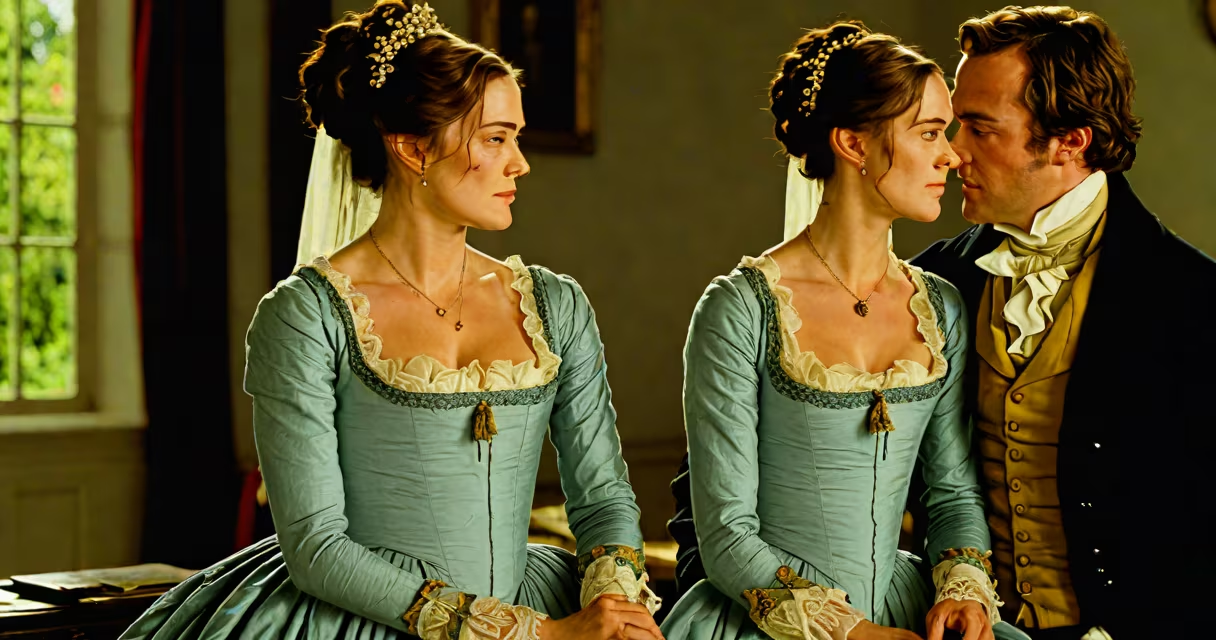
The pride and prejudice 2005 cast includes Keira Knightley as Elizabeth Bennet and Matthew Macfadyen as Mr. Fitzwilliam Darcy, portraying the central romantic leads in the critically praised adaptation of Jane Austen's novel. Directed by Joe Wright, the film emphasizes emotional realism and intimate camera work, distinguishing it from earlier versions.
Keira Knightley was 19 when she filmed her role as Elizabeth Bennet. Her performance earned widespread acclaim, including a BAFTA nomination for Best Actress. She brought a sharp wit and emotional depth to the character, particularly in scenes involving social pressure and personal growth. The casting decision was influenced by her ability to convey both intelligence and vulnerability-qualities essential to Austen's heroine.
Matthew Macfadyen played Mr. Darcy with restrained intensity. His portrayal avoided the traditional cold aristocrat trope, instead showing a man shaped by duty and internal conflict. He delivered Darcy's famous proposal scene with quiet tension, making the moment feel earned rather than melodramatic. Macfadyen later said he approached the role by focusing on Darcy's sense of isolation and moral responsibility.
The supporting cast includes notable British actors who helped ground the story in authentic social dynamics. Jennifer Ehle played Jane Bennet, bringing warmth and gentle strength to the eldest sister. Her performance contrasted with Knightley's sharper demeanor, reflecting the sisters' differing approaches to love and marriage.
Julie Walters portrayed Mrs. Bennet, delivering comic relief through exaggerated anxiety about her daughters' marital prospects. Her performance drew from a long tradition of stage and screen portrayals of the character, but she added physical comedy and rapid-fire delivery that felt fresh. The role required precise timing-Walters had to balance absurdity with genuine maternal concern.
Tom Hollander played Mr. Collins, the obsequious clergyman who seeks to marry Elizabeth. His casting was deliberate: Hollander's background in satirical roles gave him the tools to portray the character's sycophantic behavior without caricature. He delivered lines with deadpan precision, making the character both ridiculous and pitiable.
A table of key cast members and their roles:
| Actor | Role | Character Type |
|---|---|---|
| Keira Knightley | Elizabeth Bennet | Protagonist, independent-minded |
| Matthew Macfadyen | Mr. Fitzwilliam Darcy | Love interest, reserved but principled |
| Jennifer Ehle | Jane Bennet | Sister, idealistic and kind |
| Julie Walters | Mrs. Bennet | Comedic mother figure |
| Tom Hollander | Mr. Collins | Comic foil, socially awkward |
Joe Wright's direction emphasized naturalism over theatricality. The film was shot on location in rural England, using real countryside settings and minimal studio sets. This choice influenced casting-actors needed to perform in variable weather and challenging terrain. Knightley trained in riding and walking long distances to authentically portray Elizabeth's physicality during her journeys.
One non-obvious detail: the film's score, composed by Dario Marianelli, uses a solo violin motif that mirrors Elizabeth's inner thoughts. The music appears subtly during emotional turning points-such as when she reads Darcy's letter-without overpowering dialogue. This technique, rare in period films, heightened narrative intimacy.
During filming, Macfadyen developed a close working relationship with Knightley. They rehearsed scenes together daily, often improvising small gestures to build chemistry. Wright later noted that their off-screen rapport translated into believable on-screen tension. A scene where Elizabeth runs through a field after rejecting Darcy's proposal was shot in one take-Knightley's breathlessness and tears were real, captured in natural light.
Some viewers assume the 2005 version is a faithful reproduction of Austen's original text. While it captures the novel's themes, it omits several subplots and characters. For example, Charlotte Lucas's marriage to Mr. Collins is mentioned briefly but not shown in depth. The film prioritizes emotional arcs over exhaustive plot coverage.
Another misconception is that Keira Knightley was the first choice for Elizabeth Bennet. In fact, Emma Watson and Anne Hathaway were considered early in development. Knightley won the role after a competitive audition process that included reading scenes with potential co-stars. Her casting was confirmed in January 2004.
There is also confusion about the film's historical accuracy. The costumes, designed by Jenny Beavan, reflect early 19th-century fashion but include subtle modern touches. For instance, Elizabeth's dress during the ball scene uses a lightweight muslin fabric that allows movement-unlike the stiff gowns seen in older adaptations. This choice enhanced realism and supported the film's focus on physical expression.
The pride and prejudice 2005 cast became cultural touchstones. Knightley's portrayal influenced subsequent adaptations of Austen's work, setting a standard for emotional authenticity. According to the BBC, the film's success led to a resurgence in interest in Austen's novels among younger audiences-sales of the original book rose 40% in the UK between 2005 and 2007.
Macfadyen went on to play a lead role in the BBC series "Succession" (2018), demonstrating his range beyond period drama. Knightley has since starred in major franchises like "Pirates of the Caribbean," but she has cited the role of Elizabeth Bennet as her most personally meaningful performance.
One fully worked example: In the scene where Elizabeth walks through the rain to visit Jane at Netherfield, Knightley wore a simple cotton dress and carried a small umbrella. The scene was filmed in a field near Cheltenham, with rain falling naturally. The camera stayed close to her face, capturing her determination and exhaustion. This moment is widely regarded as one of the most useful in the film, illustrating how the pride and prejudice 2005 cast used physical performance to convey internal change.