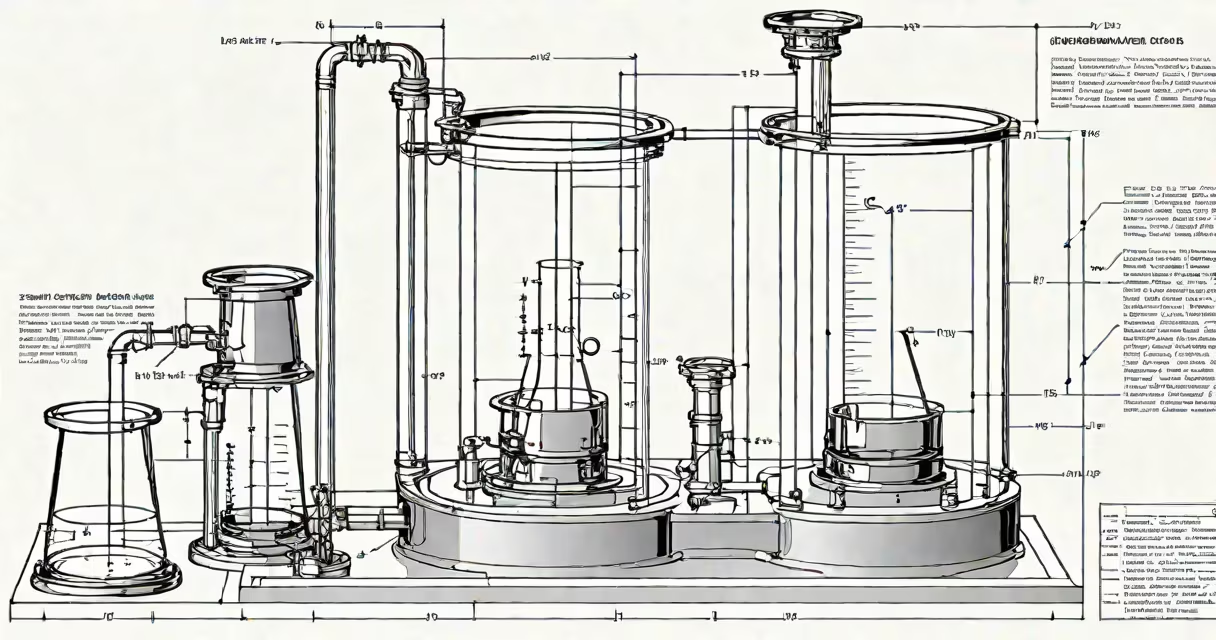
Potassium nitrate sulfuric acid is a reactive mixture used to generate nitric acid in laboratory settings through a double displacement reaction. This combination produces volatile nitric acid vapor when heated, making it essential in synthetic chemistry and historical pyrotechnics.
The reaction begins when solid potassium nitrate (KNO₃) is added to concentrated sulfuric acid (H₂SO₄). The acid protonates the nitrate ion, forming nitric acid (HNO₃) and potassium hydrogen sulfate (KHSO₄). Upon heating, nitric acid distills off due to its lower boiling point compared to sulfuric acid. The equation is:
KNO₃(s) + H₂SO₄(l) → KHSO₄(s) + HNO₃(g)This process was historically used to produce nitric acid before industrial methods like the Ostwald process became standard. Today, it remains a common classroom demonstration of acid-base reactions and gas evolution.
When potassium nitrate dissolves in sulfuric acid, the nitrate ion (NO₃⁻) acts as a weak base. Sulfuric acid donates protons (H⁺), forming HNO₃. Because HNO₃ is less stable under heat and more volatile than H₂SO₄, it evaporates readily. The remaining residue contains potassium hydrogen sulfate, which can further react upon continued heating.
Heating the mixture above 100°C increases the yield of nitric acid vapor. The reaction is exothermic initially but requires sustained heat to drive off the product. A condenser setup collects the distilled HNO₃ as a liquid, though pure nitric acid is rarely obtained this way due to decomposition and side products.
Modern labs avoid this method for large-scale production due to safety risks and impurities. Industrial nitric acid is made via catalytic oxidation of ammonia, a process developed in the early 20th century. Still, the potassium nitrate sulfuric acid reaction serves as a foundational example in inorganic chemistry curricula.
The mixture consists of two distinct chemicals: potassium nitrate (KNO₃), a white crystalline salt, and sulfuric acid (H₂SO₄), a dense, oily liquid. Both are widely available in laboratory-grade purity (≥98% for H₂SO₄, ≥99% for KNO₃).
| Component | Chemical Formula | State at Room Temp | Common Use |
|---|---|---|---|
| Potassium nitrate | KNO₃ | Solid | Fertilizer, food preservative, pyrotechnics |
| Sulfuric acid | H₂SO₄ | Liquid | Industrial chemical, battery electrolyte, lab reagent |
Using technical-grade materials introduces contaminants like iron or chloride ions, which can catalyze decomposition of nitric acid into nitrogen dioxide (NO₂), a toxic brown gas. For clean results, analytical-grade reagents are required.
The primary application of potassium nitrate sulfuric acid is academic: teaching acid strength, volatility, and stoichiometry. It demonstrates how strong acids displace weaker ones from their salts. It's also used in small-scale preparation of nitric acid for experiments requiring low volumes.
A common misunderstanding is that this mixture creates explosives. While nitric acid is a precursor to nitroglycerin and other explosives, the reaction itself does not produce explosive compounds unless additional reagents like glycerol are introduced. The mixture alone poses no explosion risk if handled properly.
Another misconception is that it can be used safely at home. The reaction generates corrosive fumes and releases heat rapidly. Without proper ventilation, eye protection, and fume hood access, exposure can cause severe burns or respiratory damage. The Centers for Disease Control and Prevention (CDC) warns against uncontrolled chemical reactions in non-lab environments.
In a high school chemistry lab, a teacher prepared nitric acid using 5 grams of potassium nitrate and 10 mL of 98% sulfuric acid. The mixture was placed in a round-bottom flask connected to a condenser cooled with ice water. After gentle heating, clear fumes condensed into colorless liquid droplets in the receiving flask.
Analysis confirmed the product contained ~68% HNO₃ by weight, consistent with theoretical yields. The experiment took 25 minutes and required continuous monitoring. No visible discoloration occurred, indicating minimal NO₂ formation. The student group reported no adverse effects due to strict adherence to safety protocols.
For context, the U.S. National Library of Medicine reports that inhalation of nitric acid vapors can lead to pulmonary edema. Even brief exposure at concentrations above 10 ppm causes throat irritation and coughing. Always perform this reaction in a certified fume hood.
It's critical to distinguish between the mixture and the resulting nitric acid. Potassium nitrate sulfuric acid is not nitric acid-it's a reagent pair. The actual product, HNO₃, is a different compound with distinct properties. Confusing the two leads to errors in handling and storage.
For example, storing nitric acid in plastic containers is acceptable because it doesn't corrode polyethylene. But sulfuric acid attacks most plastics and must be stored in glass or PTFE-lined containers. Mixing the two reagents in an incorrect container can cause rapid degradation and leakage.
According to the American Chemical Society, improper storage of mixed acids accounts for nearly 12% of lab accidents involving corrosives. Always label containers and use secondary containment trays.
I once witnessed a lab incident where a student attempted to mix potassium nitrate and sulfuric acid in a beaker without a fume hood. Fumes rose quickly, turning yellowish due to NO₂ formation. The student evacuated immediately, and emergency procedures were initiated. The room required decontamination and air quality testing before reopening. This event reinforced the necessity of controlled environments for such reactions.
Always consult safety data sheets (SDS) before beginning any experiment. The SDS for sulfuric acid lists acute toxicity, skin corrosion, and eye damage as primary hazards. Potassium nitrate is less hazardous but can contribute to oxidative stress when combined with strong acids.
Understanding this reaction requires familiarity with acid strength and conjugate pairs. Sulfuric acid is stronger than nitric acid, so it can protonate nitrate ions effectively. The reaction favors products due to the volatility of HNO₃, shifting equilibrium toward completion.
Final note: while potassium nitrate sulfuric acid is a valid method for generating nitric acid, it is not recommended for beginners. Use only under qualified supervision and with appropriate protective equipment.