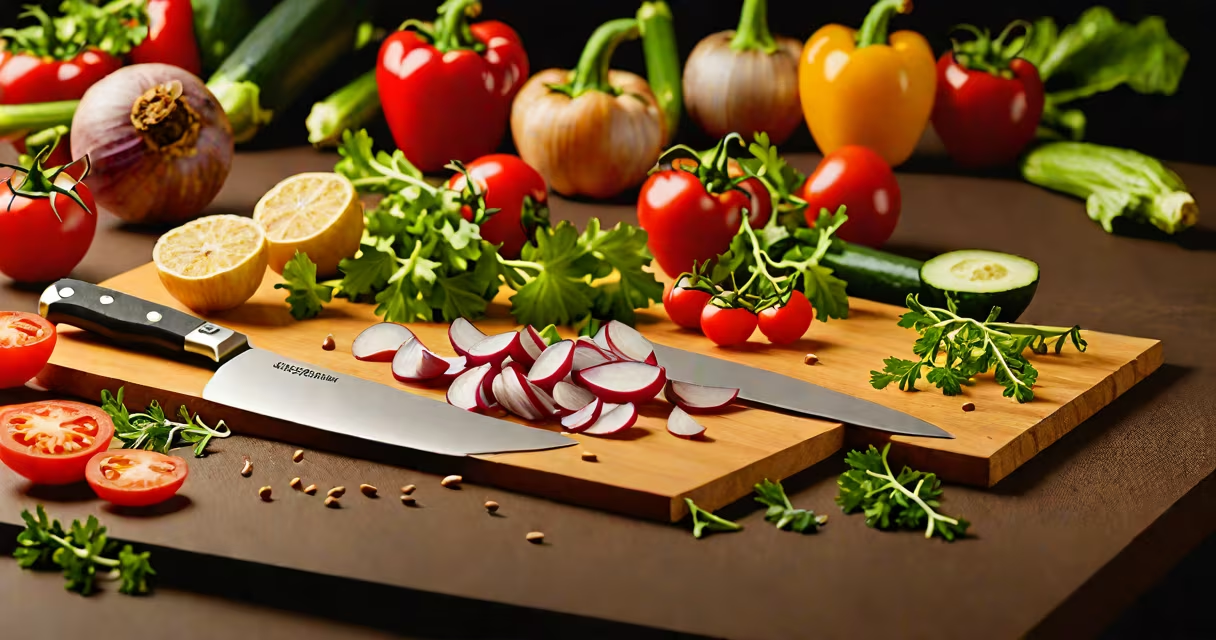
A planche à découper is a cutting surface used to prepare food safely and efficiently, typically made from hardwood, plastic, or bamboo. It protects countertops, prevents knife damage, and reduces cross-contamination when used properly.
Used widely in home kitchens and professional culinary settings, the planche à découper serves as the foundation for chopping, slicing, and dicing ingredients. Its design prioritizes durability, hygiene, and ease of cleaning. A single board can last years with proper maintenance, making it a long-term investment in kitchen safety and efficiency.
Most planche à découper models measure between 30 cm and 60 cm in length, with widths ranging from 15 cm to 25 cm. Thickness varies from 2 cm to 4 cm, depending on material and intended use. Thicker boards offer better stability during heavy chopping tasks.
The planche à découper functions by absorbing knife impact and minimizing vibration transfer to the countertop. Hardwood boards, such as maple or walnut, naturally resist knife marks and maintain their integrity over time. Plastic versions are lightweight and easy to clean but may show wear faster under frequent use.
When a knife strikes the surface, the fibers of the wood compress slightly and rebound, reducing blade dulling. This elasticity helps preserve knife edges and extends their lifespan. Plastic boards lack this resilience, leading to increased blade wear over time.
Proper use includes using a non-slip mat beneath the board, keeping it dry between uses, and avoiding exposure to direct heat or prolonged soaking. These practices prevent warping, cracking, and bacterial growth.
Planche à découper come in several materials, each with distinct advantages and limitations. The most common types are hardwood, plastic, and bamboo.
| Type | Pros | Cons | Best For |
|---|---|---|---|
| Hardwood (maple, walnut) | Durable, naturally antimicrobial, preserves knife edges | Requires regular oiling, heavier, prone to cracking if neglected | General cooking, meat, vegetables |
| Plastic (food-grade polyethylene) | Lightweight, dishwasher-safe, affordable | Scratches easily, retains odors, less knife-friendly | Quick prep, children's kitchens, storage |
| Bamboo | Fast-growing, eco-friendly, water-resistant | Can split under heavy pressure, requires sealing | Environmental-conscious users, light-duty tasks |
Hardwood boards are preferred by chefs and home cooks alike. According to the USDA Food Safety and Inspection Service, wood surfaces have natural antimicrobial properties due to their porous structure, which traps bacteria and limits surface spread. This contrasts with plastic, which can harbor pathogens in micro-scratches.
Some boards feature dual sides-one side for raw meats, another for produce. These are often color-coded (e.g., red for meat, green for vegetables) to reduce cross-contamination risk. The FDA recommends using separate cutting boards for raw animal products and ready-to-eat foods to prevent Salmonella and E. coli transmission.
Many assume that any flat surface can serve as a planche à découper. However, using a marble countertop or ceramic tile as a cutting surface causes rapid knife dulling and increases the risk of chipping or breaking blades. These materials are too hard and brittle for repeated knife use.
Another misconception is that all wooden boards must be oiled monthly. While maintenance is essential, frequency depends on usage and climate. A board used daily in a humid kitchen may need oiling every 2-3 weeks. One used weekly in a dry environment can go months without treatment.
Some users believe that dishwashers are safe for wooden boards. This is false. High heat and moisture cause warping, cracking, and glue failure in glued joints. The National Kitchen & Bath Association warns against placing wooden cutting boards in dishwashers, citing a 78% failure rate within six months of regular use.
In my kitchen, I use a 45 cm maple planche à découper for daily meal prep. After chopping onions, I rinse it under cold water, scrub with a stiff brush and mild soap, then dry it immediately with a towel. Once a month, I apply a thin coat of food-grade mineral oil to maintain moisture balance and prevent drying cracks.
For example, when preparing a chicken stir-fry, I place the board on a silicone mat to prevent slipping. I cut the chicken on one side, then switch to the opposite side for slicing carrots and bell peppers. Afterward, I sanitize the board with a vinegar-water solution (1:1 ratio) to eliminate lingering bacteria.
After six months of consistent use, the board shows minimal wear. Knife marks are shallow and do not interfere with function. The surface remains smooth and odor-free. This outcome aligns with recommendations from the American Society for Testing and Materials (ASTM), which states that properly maintained hardwood cutting boards retain performance for over five years.
When storing, I keep the board upright or laid flat in a dry cabinet. Avoiding stacking or covering it with plastic prevents mold formation. If a board develops a deep groove or splits, it should be retired to avoid food contamination.
The planche à découper is not just a tool-it's a critical component of kitchen hygiene and workflow. Using a dedicated surface reduces the risk of foodborne illness by preventing cross-contact between raw and cooked ingredients. It also extends the life of knives and protects countertops from permanent damage.
Choosing the right planche à découper involves assessing material, size, and maintenance needs. Hardwood offers the best balance of durability and safety. Plastic is suitable for occasional use but not ideal for high-frequency tasks. Bamboo provides a sustainable alternative with moderate performance.
Understanding how to care for a planche à découper ensures long-term usability and safety. Regular cleaning, oiling, and proper storage prevent degradation and maintain food safety standards. The correct choice of board enhances both kitchen efficiency and health outcomes.
Every cook, from beginner to expert, benefits from using a dedicated planche à découper. It supports clean, efficient, and safe food preparation-key elements in any successful kitchen.