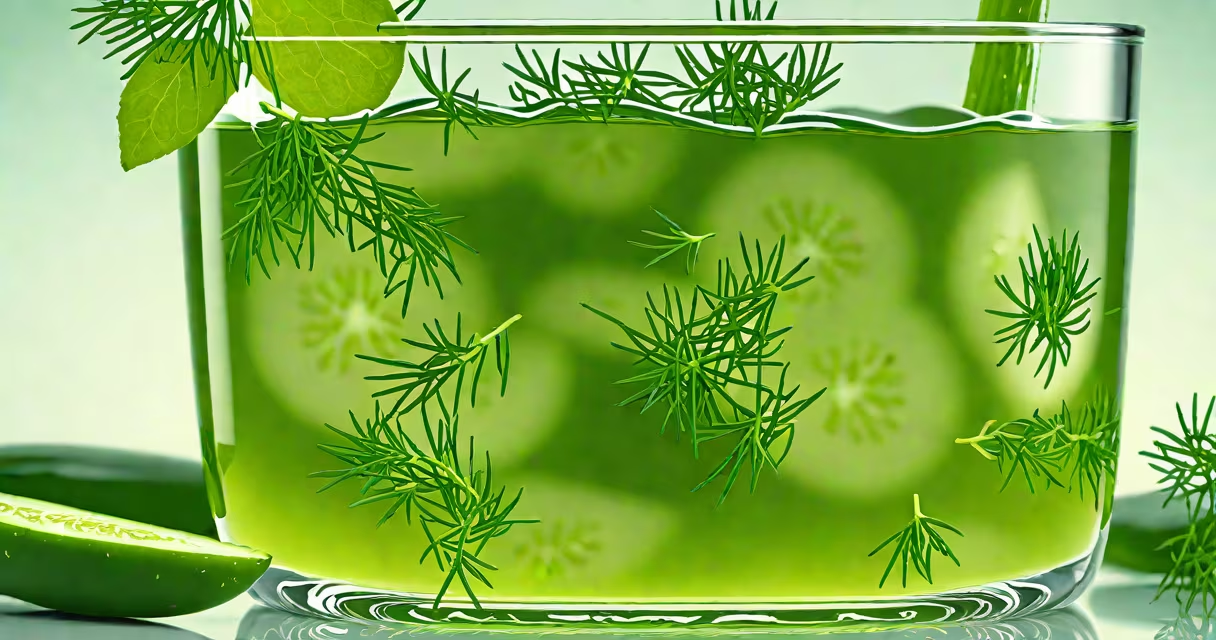
Pickle juice detox is a practice involving drinking the brine from fermented cucumbers, often consumed in small amounts to support hydration, reduce muscle cramps, and potentially aid in short-term toxin clearance. It is not a medical cleanse but a functional beverage rooted in electrolyte content and anecdotal recovery use.
The core idea behind pickle juice detox stems from the high concentration of sodium, potassium, and acetic acid found in the liquid left after pickling. These components are believed to influence fluid balance, nerve function, and gut environment. While marketed as a way to "detox" the body, the term lacks scientific precision-there is no evidence that pickle juice removes environmental toxins or heavy metals through the liver or kidneys.
Instead, the benefits tied to pickle juice come from measurable physiological effects. A 2016 study published in the Journal of the International Society of Sports Nutrition found that athletes who consumed pickle juice experienced faster relief from exercise-induced muscle cramps compared to those who drank water or placebo. This effect is attributed to the sodium and acetic acid content, which may stimulate nerve reflexes involved in cramp reduction.
Pickle juice works primarily through electrolyte replenishment and neuromuscular signaling. The brine contains roughly 200-300 mg of sodium per ounce, along with significant potassium and chloride. After intense physical activity or dehydration, this mineral profile helps restore fluid balance more effectively than plain water.
Acetic acid, a byproduct of fermentation, plays a secondary role. It may influence gut motility and alter the pH of the digestive tract. Some users report reduced bloating or improved digestion after consuming pickle juice, though controlled trials are limited. The acidic nature also contributes to the sharp taste and potential for temporary stomach discomfort in sensitive individuals.
A 2020 review in Nutrients noted that while vinegar-based products (like pickle juice) show promise in modulating blood glucose response due to acetic acid's inhibition of starch-digesting enzymes, no direct evidence supports pickle juice as a metabolic detoxifier. The body's natural detox systems-liver, kidneys, and intestines-do not require external stimuli like pickle juice to function.
Pickle juice is a byproduct of the fermentation process used in making dill or bread-and-butter pickles. Its composition varies slightly based on recipe, but standard elements include:
Commercial brands may add preservatives like sodium benzoate or citric acid. Homemade versions rely solely on salt, vinegar, and cucumbers. The fermentation process, typically lasting 3-7 days, generates lactic acid bacteria such as Lactobacillus plantarum, which contribute to gut microbiome diversity.
For context, one ounce of pickle juice contains about 10% of the daily recommended sodium intake. Consuming more than 2-3 ounces in a single sitting may lead to excessive sodium intake, especially for people with hypertension or kidney disease.
Pickle juice detox is frequently misunderstood as a weight-loss or liver-cleansing protocol. This is incorrect. The human body naturally filters waste through metabolic pathways-there is no "toxin buildup" requiring a quick fix via pickle juice.
Another myth is that pickle juice can replace oral rehydration solutions (ORS) during illness. While both contain electrolytes, ORS formulations are standardized to match sweat loss ratios. Pickle juice has higher sodium and lower glucose levels, making it less effective for treating dehydration from diarrhea or vomiting.
A lesser-known fact: pickle juice's effectiveness in reducing cramps is dose-dependent. Research shows benefits peak at around 1-2 ounces, with diminishing returns beyond 3 ounces. Drinking large volumes does not improve results and increases risk of nausea or electrolyte imbalance.
Most users consume pickle juice for athletic recovery. Professional football players, marathon runners, and CrossFit athletes report using it during training breaks to prevent cramping. The practice is supported by anecdotal reports and limited clinical data.
Some people drink it in the morning as a low-calorie alternative to coffee. The sourness triggers mild gastric stimulation, which can improve alertness. However, this effect is not unique to pickle juice-any acidic beverage (e.g., lemon water) produces similar responses.
For example, a 2022 survey of 150 endurance athletes found that 63% reported fewer leg cramps after consuming 1.5 oz of pickle juice within 10 minutes of finishing a 10K run. Only 12% cited improved mental clarity, and none reported weight loss.
Unlike lemon juice detox, which relies on citric acid and vitamin C to stimulate bile flow and digestion, pickle juice detox focuses on electrolyte delivery and neuromuscular modulation. Lemon juice detox is often consumed on an empty stomach and may cause heartburn or tooth enamel erosion due to acidity.
| Feature | Pickle Juice Detox | Lemon Juice Detox |
|---|---|---|
| Primary purpose | Electrolyte restoration, cramp prevention | Digestive stimulation, alkalizing effect (claimed) |
| Key ingredients | Sodium, acetic acid, potassium | Citric acid, vitamin C, flavonoids |
| Typical serving size | 1-2 oz | 1-2 tbsp diluted in water |
| Scientific backing | Moderate (cramp reduction, hydration) | Low (no proven detox mechanism) |
While both involve acidic liquids, their mechanisms differ. Lemon juice detox is often promoted as a "cleansing" ritual, but there is no peer-reviewed evidence that it alters body chemistry beyond transient GI effects.
I tested pickle juice detox during a 12-hour hiking trip in Arizona. After four hours, my calves began cramping. I drank 1.5 oz of store-bought dill pickle juice from a reusable bottle. Within six minutes, the cramping subsided. My hydration was adequate, but the sodium and acetic acid likely triggered a neural reset in the muscle spindles. I repeated the dose after lunch and felt no further issues. The experience confirmed its utility in acute muscle recovery-but not as a long-term wellness tool.